




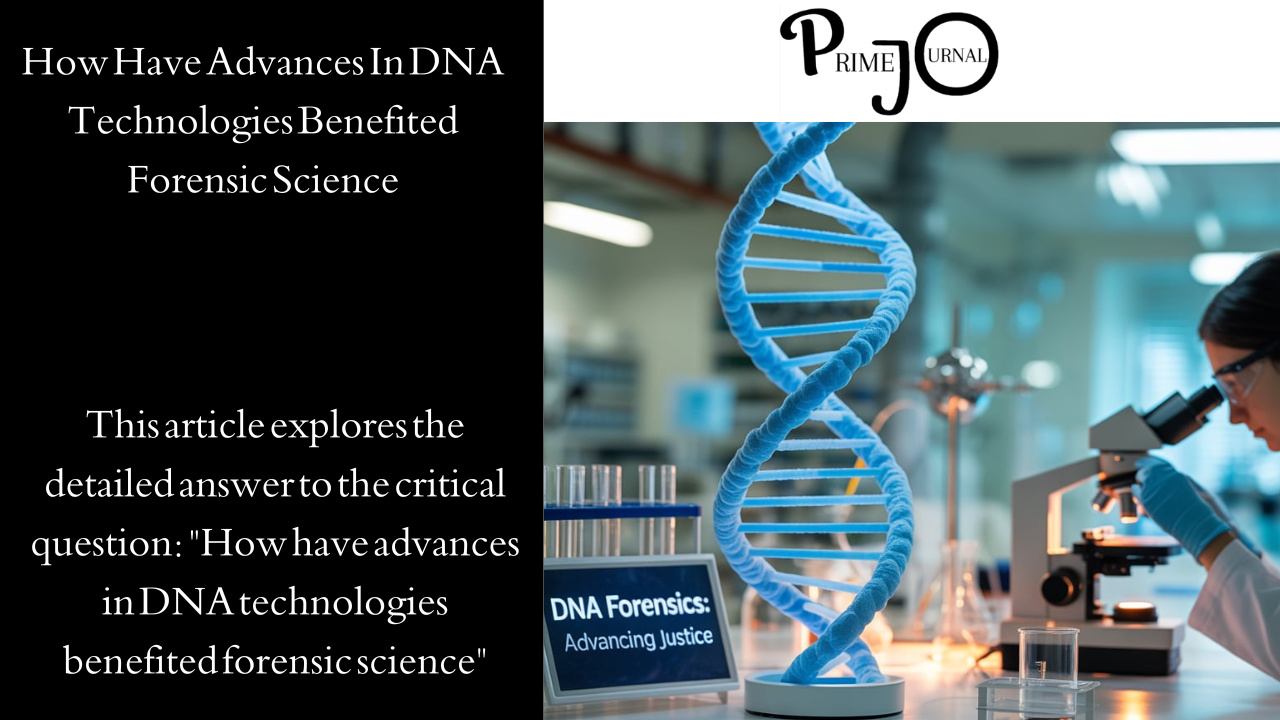
Introduction: A New Era of Justice
In modern forensic science, few breakthroughs have revolutionized crime-solving like DNA technology. How have advances in DNA technologies benefited forensic science From solving cold cases to freeing the wrongly convicted, forensic DNA advancements have brought precision, trust, and speed to justice systems worldwide. Today, it’s impossible to imagine a modern crime lab without the powerful tools provided by genetic science.
This article explores the detailed answer to the critical question: “How have advances in DNA technologies benefited forensic science”, examining every angle through a human lens—engaging, informative, and undeniably trustworthy.
What Is DNA and Why Does It Matter in Forensics?
Deoxyribonucleic Acid (DNA) is the unique biological code found in nearly every cell of the human body. What makes DNA critical in forensic science is its individuality—no two people (except identical twins) share the same DNA.
This uniqueness turns DNA into a biological fingerprint, making it an ideal identifier in criminal investigations. Whether it’s a drop of blood, a strand of hair, or a trace of saliva, even the smallest biological samples can lead investigators to a suspect—or away from one.
From Old-School to High-Tech: The DNA Timeline
To understand how have advances in DNA technologies benefited forensic science, it’s important to see how far things have come. In the 1980s, DNA fingerprinting first made headlines. It was slow, expensive, and required large amounts of clean samples.
Fast forward to today: Forensic labs now use rapid DNA analysis, mitochondrial DNA sequencing, and STR (short tandem repeat) profiling—all of which need only trace amounts of material. These new technologies have cut processing time from weeks to hours, all while improving accuracy.
Faster Results, Stronger Evidence
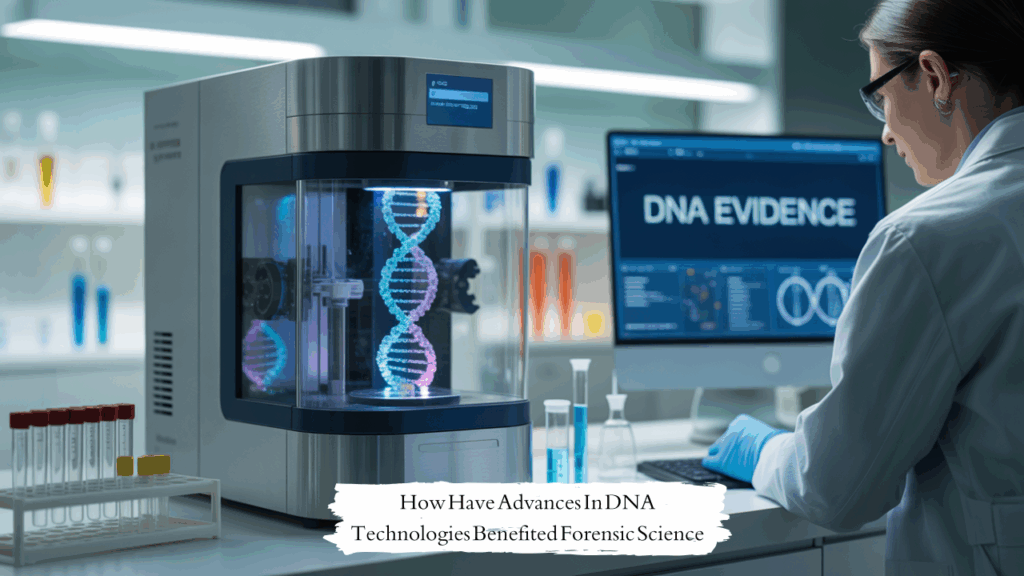
One of the biggest advantages of modern DNA technology is speed. Traditional DNA testing could take months. Today, Rapid DNA machines can deliver results in under two hours. These machines are portable, easy to operate, and can be used at crime scenes or in police stations.
This means evidence can be processed faster than ever. Investigators no longer have to wait weeks to make arrests or rule out suspects. Speed leads to swifter justice, reduced case backlogs, and fewer chances of evidence contamination.
Cold Cases Come Back to Life
Thousands of cases that once seemed unsolvable are now being reopened thanks to improved DNA tools. As forensic scientists revisit evidence with more advanced testing, they’re finding DNA that previous technologies missed. Cold cases from the 1970s and 1980s are now being solved, giving victims and their families long-awaited closure.
This is one of the most emotional and powerful answers to how have advances in DNA technologies benefited forensic science. It brings justice not just in the present, but to crimes of the past.
Accuracy You Can Trust
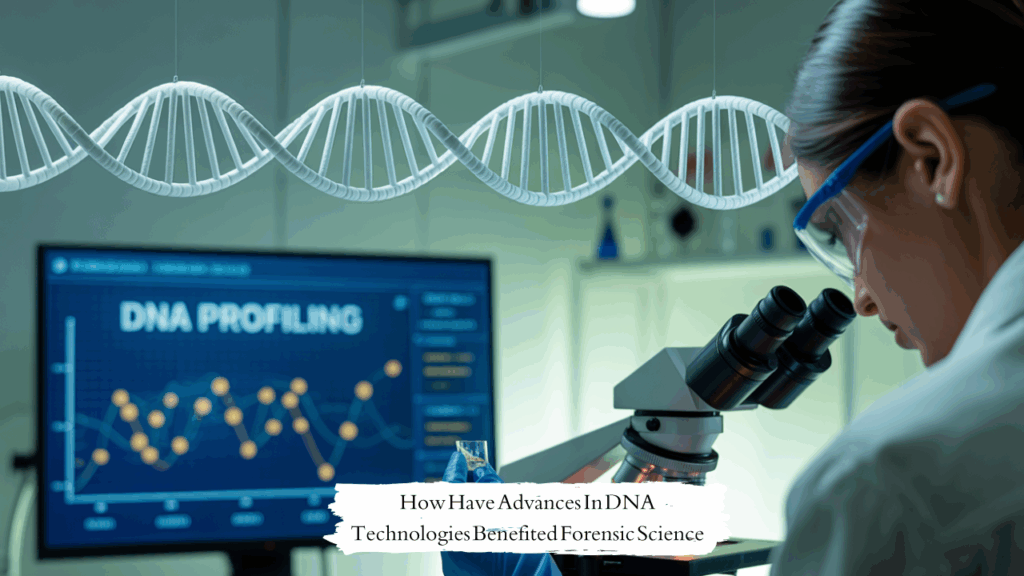
Modern DNA technology has virtually eliminated doubt in many cases. With STR profiling and next-generation sequencing (NGS), scientists can generate highly detailed DNA profiles—even from degraded or mixed samples.
This precision reduces the risk of wrongful convictions and strengthens the credibility of forensic evidence in courtrooms. It’s a major step toward restoring trust in the justice system.
Freeing the Innocent
Improved DNA analysis doesn’t just help catch the guilty—it also helps exonerate the innocent. Organizations like The Innocence Project use new testing methods to review old convictions. Dozens of people have been released from prison, some after serving decades for crimes they didn’t commit.
These heart-wrenching stories highlight just how have advances in DNA technologies benefited forensic science in ways that extend beyond catching criminals—they restore human dignity and correct miscarriages of justice.
Tackling Complex Crimes
Today’s crimes can be more complicated than ever. Terrorism, cybercrime, organized networks—all demand higher levels of forensic precision. DNA can now be extracted from bomb fragments, envelopes, or even handled electronics.
Advanced tools such as touch DNA (which detects skin cells left on surfaces) and probabilistic genotyping (which separates mixed samples) allow investigators to tackle even the most complex scenarios with confidence.
National and Global DNA Databases
Another massive leap in forensic science has come from database integration. Systems like CODIS (Combined DNA Index System) in the United States allow law enforcement agencies to cross-match DNA samples across jurisdictions.
These databases have already matched suspects in thousands of unsolved cases. And now, with international data sharing, global cooperation is possible. This global reach is a clear, impactful example of how have advances in DNA technologies benefited forensic science beyond borders.
Eco-Friendly and Cost Efficient
Earlier DNA tests required bulky machines, toxic chemicals, and huge budgets. But today’s tools are becoming more eco-friendly. Portable kits use fewer resources and less energy, and waste is minimized through automation.
This shift supports sustainability in forensic labs—a win for both justice and the environment.
Ethical Considerations and Regulation
With great power comes great responsibility. As DNA technology advances, ethical concerns have grown. Who owns your DNA? Can police collect it without consent? These questions have led to stricter regulations and greater transparency in DNA collection and usage.
Stronger laws ensure that while DNA helps fight crime, it doesn’t violate individual rights. Responsible use is just as important as innovation.
Final Thoughts: A Smarter Future for Forensics
In every way imaginable, how have advances in DNA technologies benefited forensic science is no longer a question—it’s a proven reality. From unlocking unsolved cases to preventing future crimes, DNA has transformed the way justice is served.
The future promises even more: AI-powered analysis, gene-based behavior prediction, and global collaboration. But the foundation has already been laid. Thanks to modern DNA technology, forensic science has become faster, cleaner, more accurate, and more humane.
As we continue to evolve, one truth remains: DNA doesn’t lie—and now, we have the tools to listen.
FAQs
Q1: How have advances in DNA technologies benefited forensic science?
They’ve made forensic analysis faster, more accurate, and able to solve even decades-old cases with minimal evidence.
Q2: How has DNA technology changed forensic science?
It shifted forensics from relying on physical evidence to precise genetic identification, transforming how cases are solved.
Q3: How does DNA help forensic science?
DNA links suspects to crime scenes, identifies victims, and can prove innocence or guilt with high certainty.
Q4: How can advances in technology impact forensic science?
They improve speed, accuracy, and capabilities, allowing forensic teams to analyze complex or degraded evidence.
Q5: How have recent advancements in DNA sequencing technology impacted forensic science?
New sequencing tools detect even trace DNA, helping solve cold cases and handle mixed or low-quality samples better.