



Why Foenegriek Deserves Your Attention
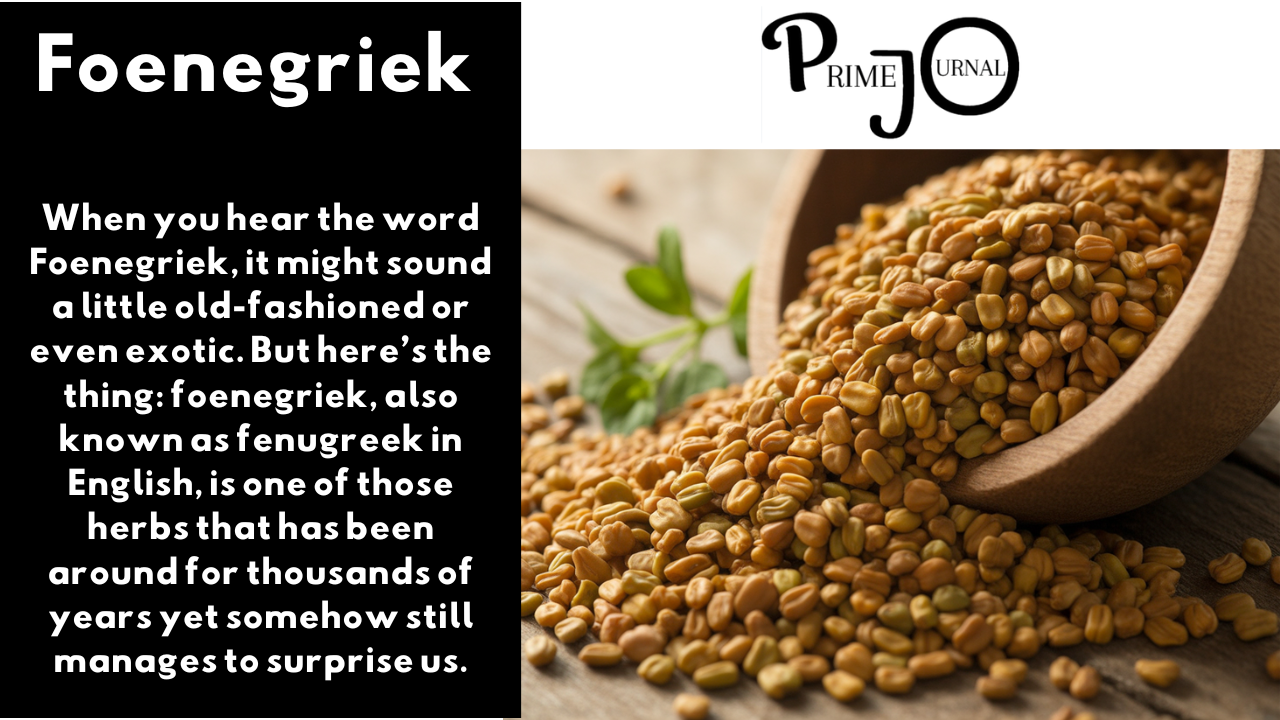
When you hear the word Foenegriek, it might sound a little old-fashioned or even exotic. But here’s the thing: foenegriek, also known as fenugreek in English, is one of those herbs that has been around for thousands of years yet somehow still manages to surprise us. From ancient Egyptian remedies to modern protein powders, this humble little seed has made its mark in history, health, and even in kitchens across the globe.
Foenegriek is not just a random spice hiding in the back of your cupboard. It’s an herb with medicinal properties, a powerful supplement for women’s health, a natural testosterone booster for men, and—believe it or not—even a hidden beauty ingredient.
So in this article, we’ll dive deep (like really deep) into what foenegriek is, how it’s used, its proven health benefits, side effects, and even a few surprising myths people still believe.
What Exactly Is Foenegriek?
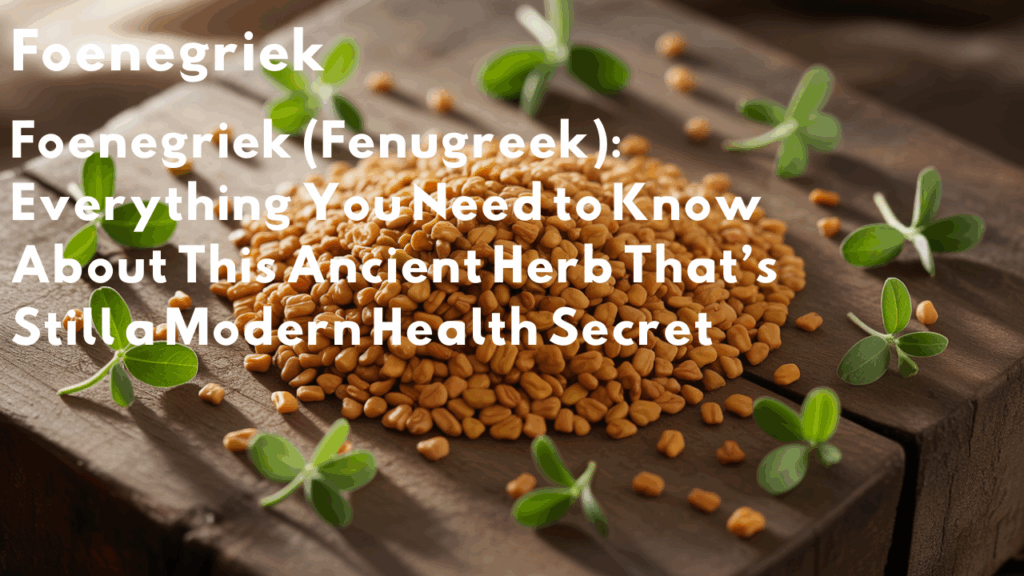
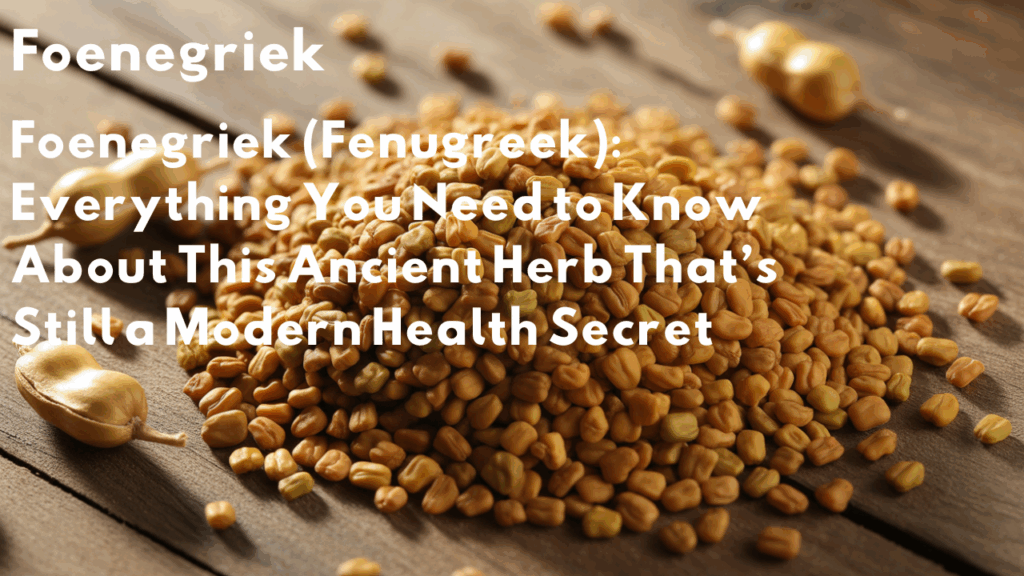
Foenegriek is a medicinal herb and spice derived from the seeds of the Trigonella foenum-graecum plant, commonly used in traditional medicine and cooking.
The name might vary depending on the language—fenugreek in English, methi in Hindi, helba in Arabic—but it’s the same golden-brown seed with a slightly bitter, nutty flavor.
- Scientific name: Trigonella foenum-graecum
- Family: Fabaceae (same family as beans and peas)
- Parts used: Seeds (mostly), leaves, and sometimes powder supplements
- Origin: The Mediterranean, South Asia, and North Africa
A Little History: From Ancient Times to Modern Supplements
Foenegriek isn’t new at all—it’s one of those plants that’s been written about since ancient times.
- Egyptians used it for embalming and as part of their herbal medicine.
- Greek and Roman physicians prescribed it for respiratory and digestive issues.
- Indian Ayurveda has used foenegriek (methi) for centuries to balance metabolism, boost digestion, and improve women’s health.
- Today, you’ll find it in capsules, teas, powders, cooking recipes, and even gym supplements.
Culinary Uses of Foenegriek (Why Chefs Love It Too)
Although it’s often celebrated for its health perks, foenegriek is also a popular kitchen ingredient.
- Seeds – roasted or ground into spice mixes (like curry powder).
- Leaves – used fresh or dried (kasuri methi in Indian cooking).
- Tea – seeds steeped in hot water for a slightly bitter, earthy herbal tea.
- Bread & sauces – used in Middle Eastern and Mediterranean cuisine.
For example, Ethiopian berbere spice mix and Indian curries wouldn’t taste the same without foenegriek.
Health Benefits of Foenegriek That Science Actually Supports
Now let’s get into the juicy part—why people take foenegriek as a supplement. Spoiler alert: there’s a lot of hype, but some benefits are actually backed by research.
1. Foenegriek for Digestive Health
Foenegriek is rich in fiber and natural compounds that soothe the stomach. Traditionally, people used it to:
- Ease constipation
- Reduce bloating and indigestion
- Support gut health
2. Blood Sugar Regulation (Foenegriek for Diabetes)
One of the most studied benefits is how foenegriek helps regulate blood sugar levels.
- Contains soluble fiber that slows down sugar absorption.
- May improve insulin sensitivity.
- Some studies show better glucose control in people with type 2 diabetes.
3. Foenegriek and Men’s Health (Testosterone & Performance)
This is where foenegriek has gained a lot of attention lately.
- Certain extracts are marketed as testosterone boosters.
- Athletes and gym-goers claim better energy, stamina, and even muscle recovery.
- Some small studies support increased libido and hormonal balance.
4. Foenegriek for Women (Breastfeeding & Hormones)
Foenegriek has long been used as a galactagogue (a substance that promotes breast milk).
- Nursing mothers often drink foenegriek tea to boost milk supply.
- It may also support menstrual health by easing cramps and balancing hormones.
5. Foenegriek for Hair and Skin
Okay, this one sounds like a beauty hack from TikTok—but it’s real.
- Foenegriek seed paste is used as a hair mask for stronger, shinier hair.
- Its anti-inflammatory compounds may soothe acne and skin irritation.
Possible Side Effects of Foenegriek (What You Should Watch Out For)
Even though foenegriek is natural, it’s not for everyone.
- Can cause digestive issues (gas, diarrhea) if taken in large amounts.
- May lower blood sugar too much if combined with diabetes meds.
- Pregnant women should avoid high doses (it may cause contractions).
- Some people find its smell unpleasant—it can even make your sweat smell slightly like maple syrup!
Nutritional Breakdown of Foenegriek Seeds
| Nutrient (per 100g) | Amount | Benefits |
|---|---|---|
| Protein | 23 g | Muscle health, energy |
| Fiber | 25 g | Digestion, weight control |
| Iron | 33 mg | Healthy blood, prevents anemia |
| Magnesium | 191 mg | Nerve and muscle function |
| Vitamin B6 | 0.6 mg | Brain function, mood |
How to Use Foenegriek (Practical Guide)
If you’re wondering how to add foenegriek to your life, here are simple ways:
- Supplements (capsules/powder): Easy, measured dosage.
- Tea: Steep 1 tsp seeds in hot water, drink once daily.
- Cooking: Add seeds or leaves to curries, soups, or bread.
- Topical beauty use: Mix powder with yogurt or coconut oil for hair masks.
Tip: Start small. Too much can taste bitter or upset your stomach.
Myths & Misconceptions About Foenegriek
Like any trendy herb, foenegriek has its share of myths.
- “It magically makes you lose weight overnight” → Not true. It may help appetite control, but it’s no miracle.
- “Safe for everyone” → Nope. Diabetics and pregnant women should be cautious.
- “Only for women” → Wrong. Men use it for hormones, gym performance, and overall vitality.
FAQs
Q1: What is foenegriek used for?
It’s used for digestion, diabetes support, boosting milk supply in women, and sometimes for men’s testosterone health.
Q2: Can foenegriek help with weight loss?
It may support appetite control and digestion, but it’s not a magic fat-burner.
Q3: How much foenegriek should I take daily?
Most supplements recommend 500–1000 mg daily, but always check labels or consult a doctor.
Q4: Does foenegriek increase breast size?
Some people claim so, but scientific proof is limited. It may influence hormones, but it’s not guaranteed.
Q5: Is foenegriek safe?
Yes, in small to moderate amounts. But high doses can cause side effects.
Conclusion: Should You Add Foenegriek to Your Life?
So, here’s the bottom line: Foenegriek is an ancient herb that has stood the test of time for good reason. It’s versatile, beneficial for both men and women, and can be used in food, tea, or supplements.
If you’re dealing with digestion issues, blood sugar problems, or even looking for natural support for hormones, foenegriek might be worth trying. Just remember—it’s powerful, so don’t overdo it.