



Lighting used to be one of the slowest parts of the design world to evolve. For decades, traditional neon held its place as the go-to choice for glowing lines, signage, and atmospheric colour. But in the past few years, the landscape has changed dramatically. Designers across New Zealand from retail specialists to architectural firms are steadily shifting toward flexible LED solutions that offer greater creativity, fewer limitations, and far more reliability.
What’s interesting is that this isn’t a superficial trend. The switch reflects a deeper change in how designers think about shaping light itself.
A New Level of Creative Freedom
Classic glass neon is iconic, but it comes with rules: fixed bending limits, specialist fabrication, and a workflow that punishes last-minute design changes. Today’s designers, however, work in environments where concepts evolve quickly and installations need to adapt just as fast.
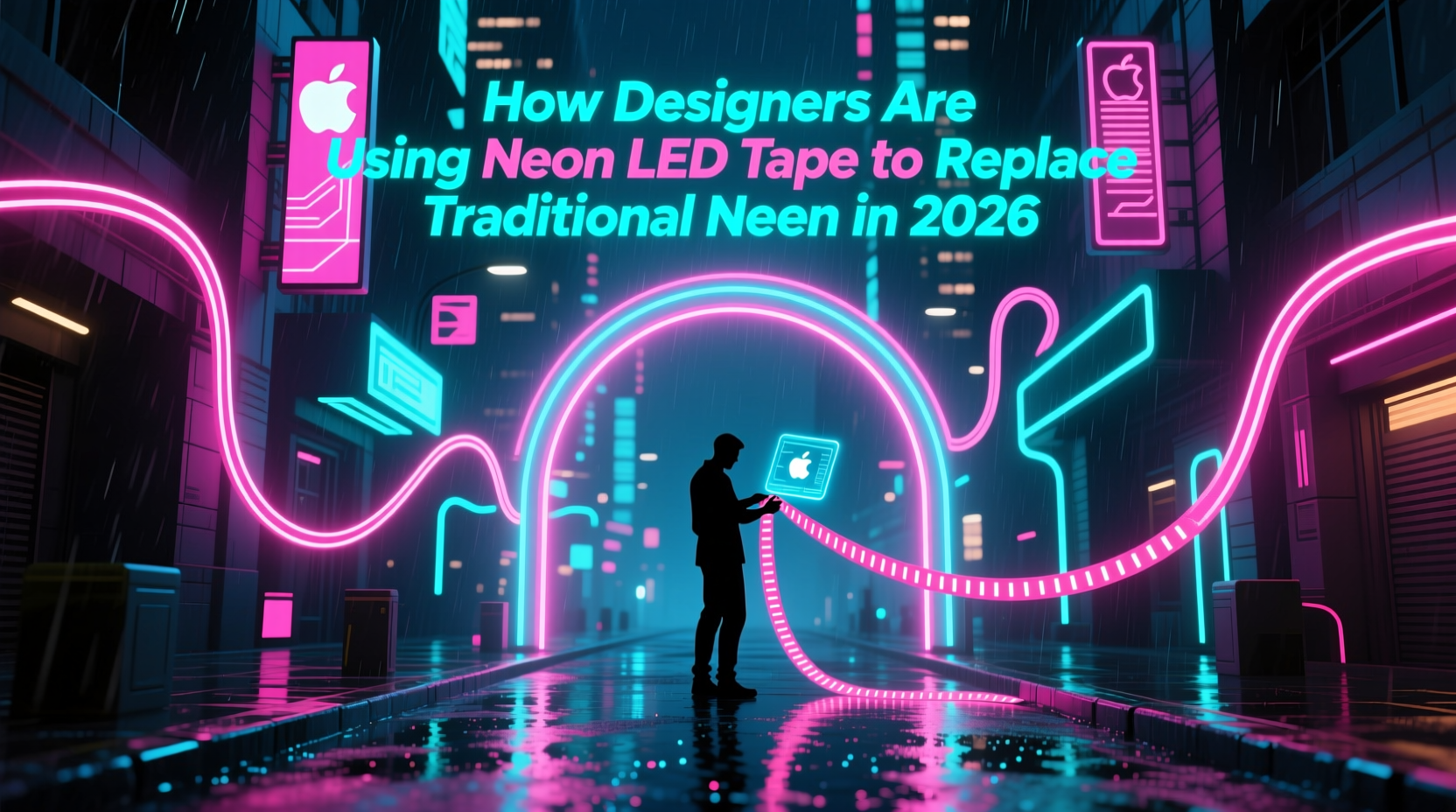
Flexible LED systems have removed many of the old constraints. With products like neon led tape, lighting can wrap around irregular structures, run inside tight joinery recesses, or follow architectural lines with a level of precision that simply wasn’t practical before.
Imagine a hospitality fit-out where the lighting needs to trace curves along a bar front, travel up a wall, and continue across a ceiling bulkhead. With glass neon, that idea would require complex fabrication and multiple joins. With modern LED systems, it can be shaped on site.
Cleaner Light and Smoother Visual Consistency
One of the defining features of modern LED neon is the smooth, uninterrupted diffusion. Instead of seeing hot spots or visible LED points, the output now appears as a continuous, poured line of light. Designers often describe it as “ink-like glow,” which is why it’s appearing so frequently in high-end retail and immersive interior concepts.
Consistency is another advantage. LED solutions make it easier to match colour temperatures across different zones or maintain uniformity across long runs — something traditional neon struggled with when exposed to heat, voltage variation, or material inconsistencies.
This matters in places where lighting accuracy directly supports the experience, such as product displays or brand-feature environments.
Durability Suited to NZ Conditions
New Zealand’s mix of humidity, coastal exposure, and rapidly shifting weather has always been tough on exterior lighting. Traditional neon, despite its charm, doesn’t love salt air or repeated thermal expansion.
LED neon flex products, especially those with IP65 or IP67 ratings, are built for exactly those conditions. Outdoor signage, building outlines, and architectural highlights have become easier to maintain because the materials are impact-resistant, UV-stable, and far less prone to cracking.
It’s common now to see LED neon used on hospitality facades, coastal retail precincts, and even residential landscaping where designers want long-term reliability without the fragile nature of gas-filled tubes.
Faster Installs and Fewer Project Delays
Time pressure is a constant factor in NZ construction. Designers regularly need to make lighting calls early, knowing that delays can cause knock-on effects with other trades.
LED solutions eliminate much of that risk. Installers can cut, shape, and mount the lighting without relying on specialist fabricators, which means fewer bottlenecks and more on-site flexibility. If a wall panel shifts slightly or a corner detail changes, the lighting can be adjusted without starting the process again.
This has made LED neon especially popular with commercial fit-outs and renovations where timelines are tight and precision matters.
Energy Efficiency That Meets 2026 Standards
As energy standards and sustainability expectations continue to rise, designers are under pressure to specify solutions that perform efficiently over long periods. LED technology naturally aligns with those goals, consuming significantly less power and generating less heat than traditional neon.
The NZ Building Code lighting performance guidelines also emphasise efficiency and reduced maintenance demands, which LED systems support extremely well.
For commercial clients, this shift often translates into lower running costs and fewer service calls a practical win beyond the aesthetics.
Where Designers Are Using It
The versatility of flexible LED neon is creating new opportunities across different project types. Some common applications now include:
- Retail features: glowing outlines around displays or shelving systems
- Hospitality identities: custom shapes and brand elements integrated into interiors
- Exterior branding: long, continuous lines along façades
- Residential mood lighting: staircases, coves, and outdoor pathways
- Art installations: sculptural forms that require movement and fluidity
Instead of simply replacing neon, LED solutions are expanding what designers can dream up.
Final Thoughts
The shift toward LED neon isn’t just technological, it’s creative. Designers are choosing these systems because they align with how modern spaces are built: adaptable, durable, efficient, and expressive. Whether shaping a subtle interior line or transforming a building exterior, flexible LED lighting allows ideas to flow more freely than ever before.