




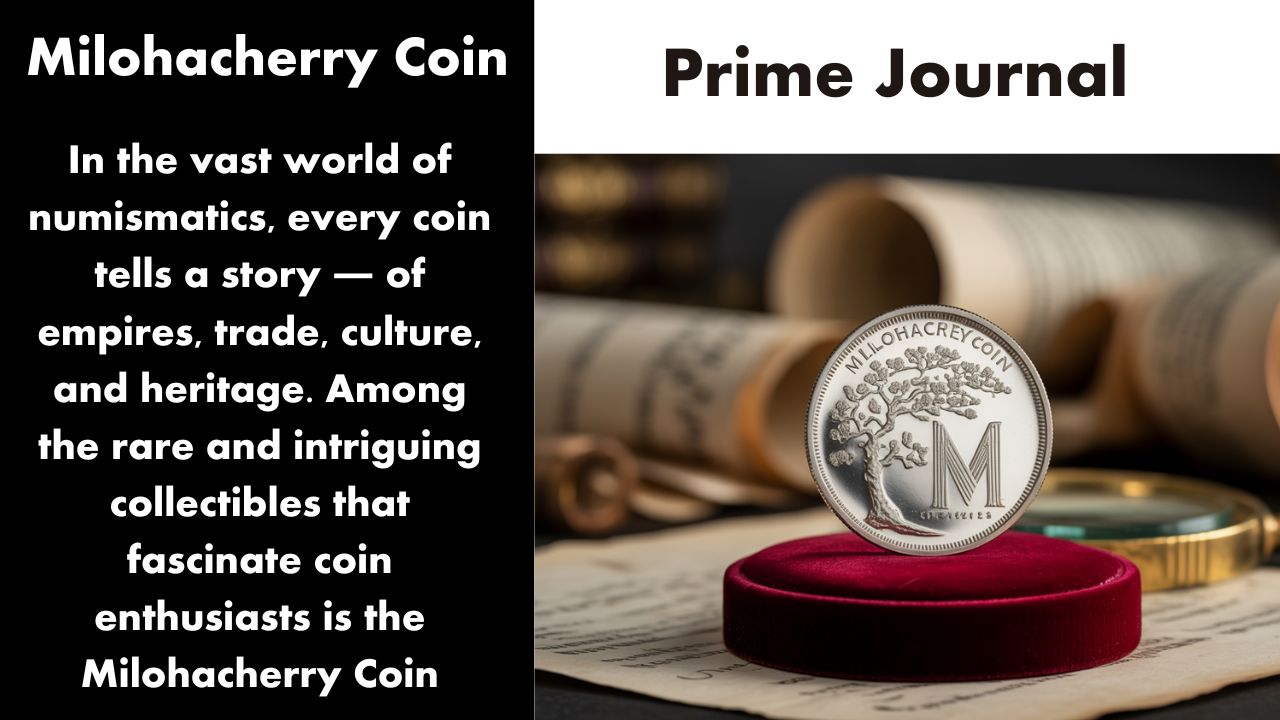
The Mystery of the Milohacherry Coin
In the vast world of numismatics, every coin tells a story — of empires, trade, culture, and heritage. Among the rare and intriguing collectibles that fascinate coin enthusiasts is the Milohacherry Coin. Though not as mainstream as Roman denarii or U.S. silver dollars, this coin has carved a niche in collector circles for its unique background, rarity, and rising value.
But what exactly is the Milohacherry Coin? Where did it come from, and why does it attract growing interest among coin collectors, investors, and history buffs alike? This article explores the origins, value, and future of this coin while serving as a complete collector’s guide.
What is the Milohacherry Coins
The Milohacherry Coin is a historic and relatively rare coin associated with the region of Milohacherry, a settlement known for its cultural exchanges and trade history. While less documented than mainstream currencies, the coin is believed to have originated during a period of regional trade and local governance, symbolizing both economy and identity.
- Type: Rare collectible coin
- Region of Origin: Milohacherry (historical trading region)
- Material: Varies (bronze, copper, or silver in different finds)
- Era: Historical trade period (exactly varies depending on the coin issue)
Related: [Guide to Rare Indian Coins and Their Value]
Historical Background of the Milohacherry Coin
Coins are more than just a medium of exchange — they are windows into history. The Milohacherry Coin provides clues to the region’s economic networks, governance structures, and cultural symbolism.
Trade and Economy
- The coin circulated in local markets, especially in agrarian and trade-based communities.
- It was possibly linked to regional kingdoms or local rulers who minted coins for administrative and trade purposes.
Cultural Symbolism
- Many versions of the Milohacherry Coin feature local motifs, symbolic emblems, or inscriptions.
- Some are believed to represent religious imagery or nature-based symbols, which gave the coin cultural as well as economic importance.
Why It Matters to Numismatists
Collectors often seek the Milohacherry Coin not just for its rarity but for the historical narrative it represents. It tells a story of how smaller regions minted and circulated currency to establish economic independence and identity.
Physical Characteristics of the Milohacherry Coin
| Feature | Details |
|---|---|
| Material | Copper, bronze, occasionally silver |
| Size | Small to medium, varying across issues |
| Weight | 2–8 grams (depending on denomination) |
| Design | Regional emblems, motifs, and inscriptions |
| Condition Factors | Age, wear, preservation, mint clarity |
Notable Design Elements
- Obverse (front): Often featured symbols or inscriptions tied to local governance.
- Reverse (back): Depicted imagery of trade, agriculture, or cultural motifs.
(Alt text suggestion for images: “Milohacherry Coin with historical engravings and regional motifs.”)
Value of the Milohacherry Coin in Today’s Market
The value of a Milohacherry Coin depends heavily on its condition, rarity, and demand among collectors.
Factors Influencing Value
- Rarity – Limited surviving specimens increase demand.
- Condition – Well-preserved coins fetch significantly higher prices.
- Historical Significance – Coins tied to specific rulers or trade networks are more valuable.
- Metal Content – Silver or higher-grade alloys add intrinsic value.
Estimated Market Value (2025)
| Condition | Approximate Value Range (USD) |
|---|---|
| Poor/Heavily Worn | $50 – $150 |
| Fine | $200 – $500 |
| Very Fine | $600 – $1,200 |
| Extremely Fine | $1,500 – $3,000+ |
Note: Prices vary based on auction houses, collector interest, and regional demand.
(Alt text suggestion for images: “Valuation chart of Milohacherry Coin based on rarity and condition.”)
Collecting the Milohacherry Coin: A Guide for Enthusiasts
If you’re considering adding the Milohacherry Coin to your collection, here’s what you should know:
Where to Find
- Numismatic Auctions – Prestigious auction houses occasionally list rare Milohacherry Coins.
- Collector Communities – Forums and coin clubs often help identify genuine pieces.
- Specialized Dealers – Trusted numismatic dealers may have verified specimens.
How to Verify Authenticity
- Check for historical inscriptions and motifs.
- Assess the metal composition with expert tools.
- Compare with documented references in numismatic catalogs.
Preservation Tips
- Store coins in airtight capsules to avoid corrosion.
- Maintain in a dry, controlled environment.
- Avoid cleaning with harsh chemicals (may reduce value).
Why the Milohacherry Coin is Valuable to Collectors
The Milohacherry Coin isn’t just another historical artifact — it represents:
- Rarity: Limited availability makes it a prized possession.
- Cultural Value: Symbolizes the history and traditions of Milohacherry.
- Investment Potential: Like many rare coins, it has appreciated in value.
- Numismatic Interest: Offers insights into regional history and trade.
FAQs
1. What is the Milohacherry Coin?
It is a rare historical coin from the Milohacherry region, valued by collectors for its rarity, cultural symbolism, and historical importance.
2. How much is a Milohacherry Coin worth?
Depending on condition, rarity, and demand, prices range from $50 for worn coins to over $3,000 for rare specimens in excellent condition.
3. Where can I buy a Milohacherry Coin?
They are usually found at numismatic auctions, specialized coin dealers, or through collector networks.
4. How do I know if my Milohacherry Coin is real?
Authenticity can be verified by expert numismatists, metal composition analysis, and comparing with established references.
5. Is the Milohacherry Coin a good investment?
Yes, due to its rarity and historical significance, it has shown steady appreciation in value over the years.
Conclusion
The Milohacherry Coin may not be as famous as the Roman denarius or British sovereign, but it holds its place as a unique and rare piece of history. For collectors, it offers more than monetary worth — it carries a legacy of trade, culture, and local identity.
Whether you’re an experienced numismatist or a new collector, adding a Milohacherry Coin to your collection can be a rewarding investment in both history and value.
The Milohacherry Coin continues to captivate collectors for its scarcity, cultural value, and investment potential. If you come across one, hold on to it — you’re holding a rare fragment of history in your hands.