


Introduction
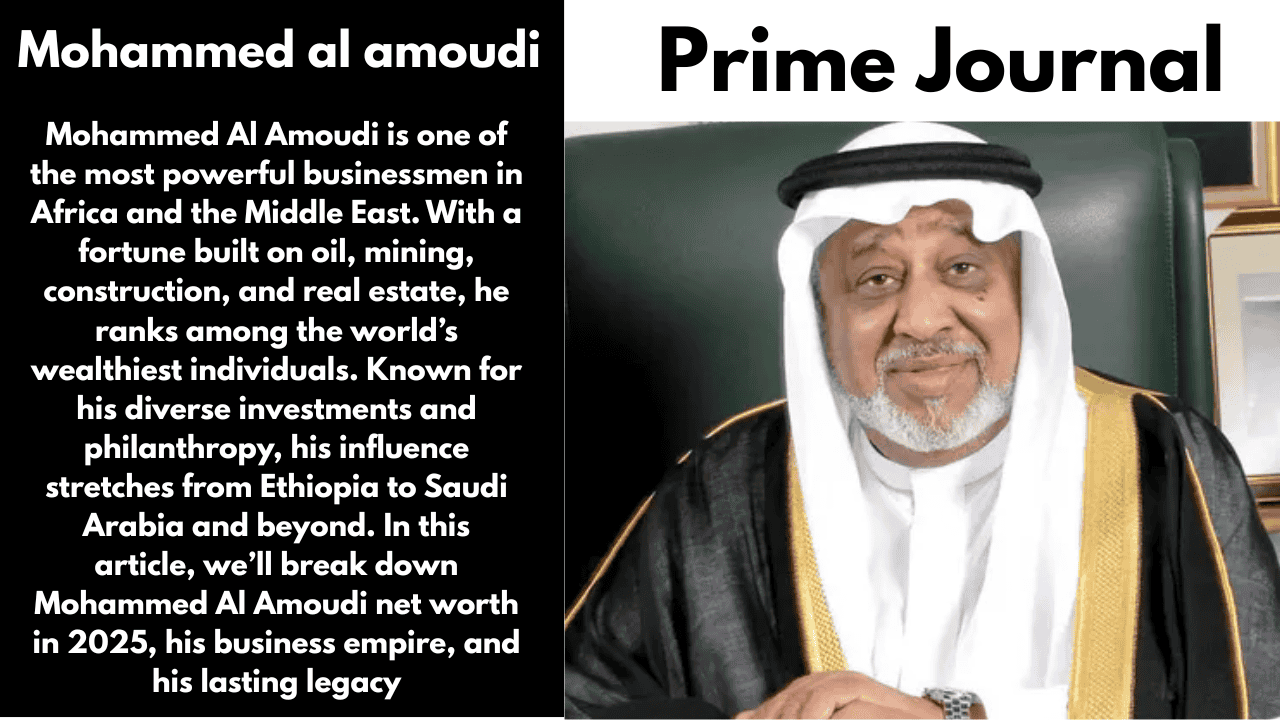
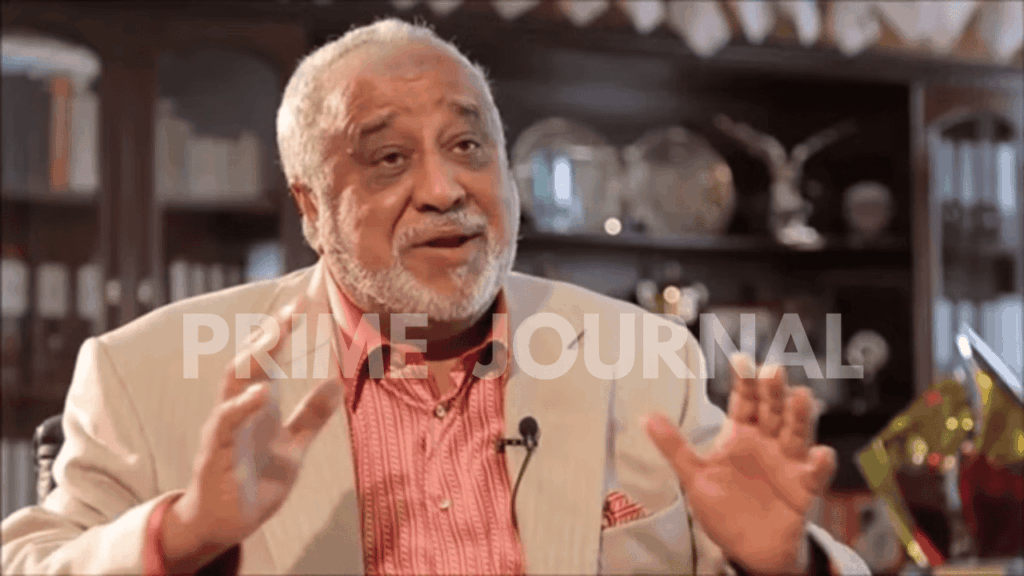
When people talk about the wealthiest individuals in the Middle East and Africa, the name Mohammed Al Amoudi always comes up. Known for his massive business empire spanning construction, energy, mining, agriculture, and real estate, Al Amoudi is one of the most influential businessmen of Saudi-Ethiopian descent.
In this article, we’ll take a deep dive into Mohammed Al Amoudi net worth, explore the sources of his wealth, his major investments, and his philanthropic contributions. By the end, you’ll understand how he built his fortune and why he remains a key figure in global business.
Who is Mohammed Al Amoudi?
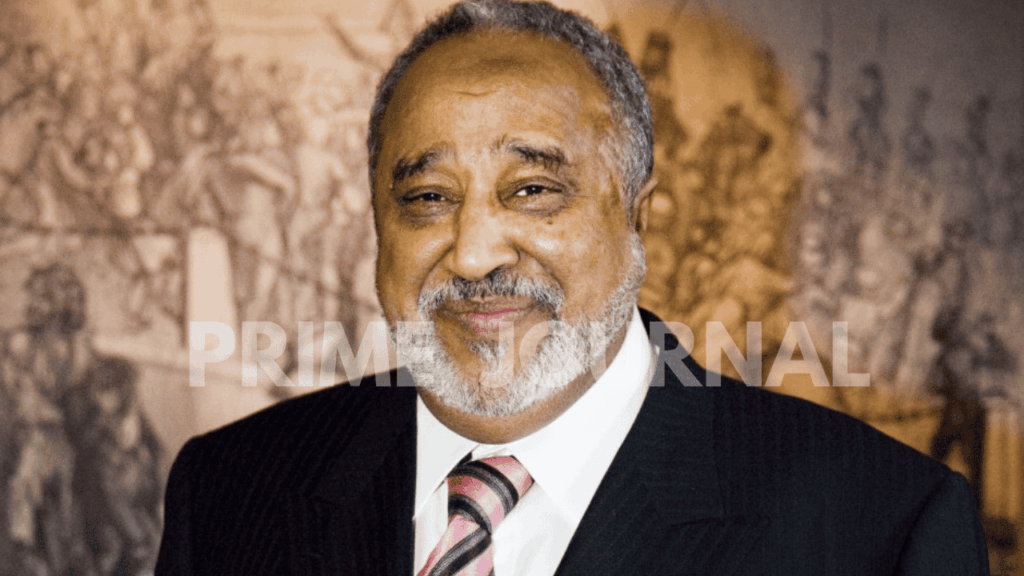
Mohammed Hussein Al Amoudi, born in 1946 in Dessie, Ethiopia, is a billionaire businessman with Saudi and Ethiopian roots. Often referred to as one of the richest men in Africa, he has invested heavily in industries that not only generate wealth but also create thousands of jobs.
- Full Name: Mohammed Hussein Al Amoudi
- Date of Birth: 1946
- Nationality: Ethiopian-Saudi
- Industries: Energy, Construction, Mining, Real Estate, Agriculture
- Philanthropy: Significant contributions to healthcare, education, and sports
Mohammed Al Amoudi Net Worth in 2025
According to the latest estimates from Forbes and Bloomberg Billionaires Index, Mohammed Al Amoudi’s net worth in 2025 is approximately $8.5 billion. His fortune fluctuates depending on global oil prices, real estate markets, and investment performance.
| Year | Estimated Net Worth |
| 2020 | $8.3 billion |
| 2021 | $8.4 billion |
| 2022 | $8.6 billion |
| 2023 | $8.2 billion |
| 2024 | $8.7 billion |
| 2025 | $8.5 billion |
Source: Forbes Billionaires List
Sources of Mohammed Al Amoudi’s Wealth
Al Amoudi’s fortune comes from a diverse portfolio of investments across multiple industries. Let’s explore his major wealth sources.
1. Oil and Energy Investments
- Owner of MIDROC (Mohammed International Development Research and Organization Companies), which has major oil refining operations in Ethiopia and other countries.
- Investments in Sweden’s Preem Petroleum, the largest fuel company in the country.
- Heavy involvement in oil exploration projects across Africa and the Middle East.
2. Construction and Real Estate
- Major contracts for infrastructure and construction projects in Saudi Arabia and Ethiopia.
- Development of luxury hotels, residential complexes, and commercial properties.
3. Mining and Natural Resources
- Ownership of Ethiopia’s Legadembi gold mine, one of the largest in the country.
- Investments in precious metals and natural resources.
4. Agriculture
- Large-scale agricultural projects in Ethiopia to boost food security.
- Investments in coffee, rice, and other key crops for export markets.
Business Empire Overview
Here’s a quick overview of Al Amoudi’s companies and their sectors:
| Company / Investment | Industry | Country |
| Preem Petroleum | Energy & Oil Refining | Sweden |
| MIDROC Ethiopia | Construction, Energy, Mining | Ethiopia |
| Legadembi Gold Mine | Mining | Ethiopia |
| Saudi Construction Projects | Real Estate & Infrastructure | Saudi Arabia |
| Agricultural Investments | Farming & Food Security | Ethiopia |
Mohammed Al Amoudi’s Philanthropy
Beyond wealth accumulation, Al Amoudi has been recognized for his philanthropic efforts, especially in Ethiopia and Saudi Arabia.
- Healthcare: Funded hospitals, medical centers, and research programs.
- Education: Donated millions to universities and schools in Ethiopia.
- Sports: Sponsored Ethiopian national teams and local sports clubs.
- COVID-19 Relief: Contributed significant funds to fight the pandemic in Ethiopia.
Mohammed Al Amoudi Net Worth Compared to Other Billionaires
How does Al Amoudi compare to other billionaires in Africa and the Middle East?
| Name | Net Worth (2025) | Country | Industry |
| Aliko Dangote | $14 billion | Nigeria | Cement, Sugar, Oil |
| Nassef Sawiris | $9.4 billion | Egypt | Construction, Sports |
| Mohammed Al Amoudi | $8.5 billion | Saudi/Ethiopia | Oil, Mining, Construction |
| Johann Rupert | $10 billion | South Africa | Luxury Goods |
| Mike Adenuga | $7.9 billion | Nigeria | Telecom, Oil |
Controversies and Challenges
No billionaire’s journey is free from controversy, and Mohammed Al Amoudi has faced challenges:
- 2017 Detainment in Saudi Arabia: He was detained during Saudi Arabia’s anti-corruption crackdown, which temporarily impacted his business dealings.
- Economic Shifts: His fortune often fluctuates with oil prices and political developments.
- Environmental Criticism: Some of his mining and agricultural projects have been criticized for environmental impact.

Mohammed Al Amoudi’s Legacy and Influence
Despite controversies, Al Amoudi’s contributions to Ethiopia’s economic development are undeniable. His businesses employ tens of thousands of people, and his philanthropic contributions have improved healthcare and education systems.
He remains a symbol of success for both Ethiopia and Saudi Arabia, bridging African and Middle Eastern business ties.
FAQs
1. What is Mohammed Al Amoudi’s net worth in 2025?
His net worth is estimated at $8.5 billion, making him one of the wealthiest men in Africa and the Middle East.
2. What are the main sources of his wealth?
Al Amoudi’s wealth comes from oil and energy (Preem Petroleum, MIDROC), mining (Legadembi Gold Mine), real estate, and agriculture.
3. Is Mohammed Al Amoudi richer than Aliko Dangote?
No, as of 2025, Dangote’s net worth ($14B) is higher than Al Amoudi’s ($8.5B).
4. Has Mohammed Al Amoudi donated to charity?
Yes, he has contributed to healthcare, education, sports, and pandemic relief efforts, particularly in Ethiopia.
5. What happened during his Saudi detention?
In 2017, Al Amoudi was detained in Saudi Arabia during a corruption probe but was later released.
Conclusion
Mohammed Al Amoudi’s journey from humble beginnings in Ethiopia to becoming a multi-billionaire with global business influence is remarkable. His $8.5 billion net worth in 2025 reflects not just financial success but also his impact on Africa and the Middle East.
While controversies have shaped parts of his career, his contributions to economic development and philanthropy remain significant.