




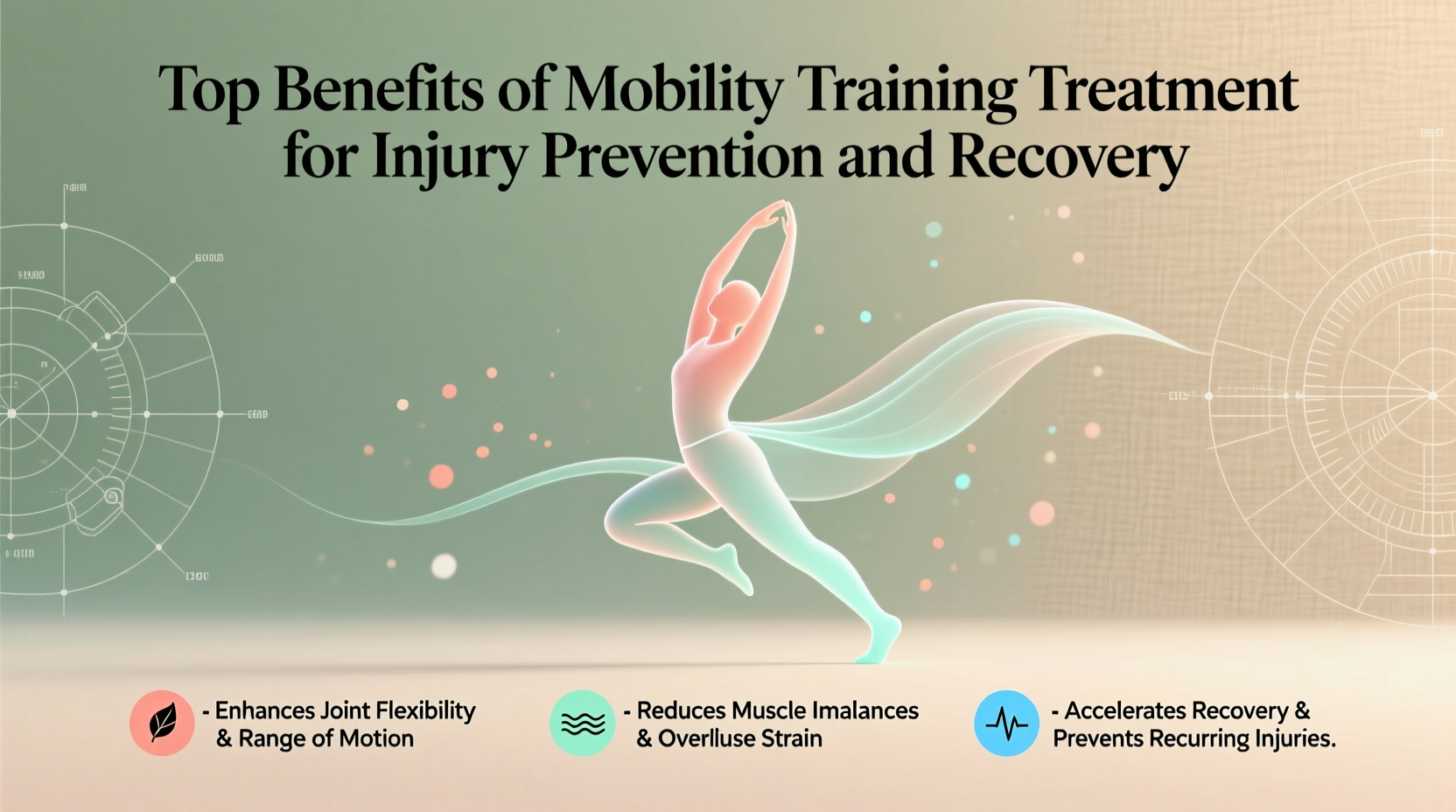
Mobility training has become a cornerstone of modern fitness and rehabilitation. Beyond simple stretching, Mobility Training Services improve joint function, optimize muscle balance, and enhance movement patterns. Individuals who incorporate mobility training into their daily routines experience better performance, fewer injuries, and faster recovery from existing injuries. These benefits make mobility training an essential component of athletic preparation, rehabilitation, and everyday physical wellness.
What Is Mobility Training
Mobility training focuses on improving the range of motion of joints while simultaneously engaging muscles to control movement. Unlike flexibility exercises that simply lengthen muscles, mobility training combines strength, balance, and coordination. This ensures joints move safely and efficiently through their natural range, reducing the likelihood of injury and improving overall movement quality.
Mobility Training vs Traditional Stretching
Traditional stretching emphasizes flexibility by elongating muscles. Mobility training, however, focuses on joint health, stability, and functional movement. For example, a flexible hamstring is useful, but without hip mobility, squats, lunges, or running can become inefficient or even dangerous. Mobility ensures muscles and joints work together, enhancing performance and reducing injury risk.
Key Benefits of Mobility Training Treatment
Mobility training provides multiple advantages for injury prevention and recovery. Its holistic approach supports both short-term performance improvements and long-term physical health.
Reduces Risk of Injury
Limited mobility often causes compensatory movement patterns that place stress on muscles, tendons, and ligaments. These compensations increase the likelihood of sprains, strains, and overuse injuries. Regular mobility exercises targeting shoulders, hips, ankles, and the spine allow joints to move freely, distributing forces evenly and reducing strain. Athletes and fitness enthusiasts can lower the risk of common injuries by improving mobility in key joints.
Accelerates Post-Injury Recovery
Controlled mobility exercises are highly effective for rehabilitation. By improving blood flow and promoting tissue elasticity, mobility routines help muscles and joints recover more quickly after injuries. Individuals recovering from ligament tears, muscle strains, or post-surgical procedures benefit from improved movement patterns and faster return to full activity when mobility training is included in their recovery plan.
Enhances Functional Movement
Functional movement describes how well the body performs everyday and athletic activities. Mobility training strengthens the ability to bend, squat, reach, and rotate without discomfort. Improved functional movement reduces daily fatigue, prevents falls, and supports athletic performance while minimizing joint strain.
Supports Long-Term Joint Health
Regular mobility work preserves joint integrity by encouraging proper cartilage nourishment and joint fluid circulation. Age and repetitive activity often lead to stiffness and joint wear, but regular mobility work helps prevent chronic conditions such as tendonitis and arthritis. Maintaining mobility over time ensures individuals can move freely and maintain an active lifestyle into older age.
Improves Athletic Performance
Athletes experience significant performance gains through improved mobility. Greater joint range of motion allows for faster, more precise movements and efficient energy transfer. Enhanced mobility also contributes to better posture, reduced muscle fatigue, and increased strength output during dynamic movements. Sports that require speed, agility, and flexibility particularly benefit from mobility-focused training.
Strengthens Muscles and Stabilizers
Mobility exercises often require activation of stabilizing muscles around joints. This combination of mobility and strength improves balance, reduces imbalances, and protects the body from injury. For example, shoulder mobility exercises engage rotator cuff muscles to stabilize the joint, while hip mobility exercises strengthen gluteal muscles to protect the lower back.
Most Effective Mobility Training Techniques
Successful mobility programs address all major joints while focusing on controlled and functional movement patterns.
Dynamic Warm-Ups
Dynamic movements such as arm circles, torso twists, and leg swings prepare joints for activity, increase circulation, and improve movement readiness. They are particularly effective before strength training, sports, or high-intensity workouts.
Soft Tissue Release
Foam rolling and self-myofascial release reduce muscle adhesions, improve tissue elasticity, and enhance joint movement. These techniques support both injury prevention and post-exercise recovery.
Joint-Specific Drills
Exercises like shoulder rotations, hip openers, and ankle circles target specific joints, expanding their range of motion and promoting neuromuscular control. Controlled Articular Rotations allow joints to move through their full range safely while activating supporting muscles.
Yoga-Based Mobility Exercises
Yoga combines stretching and strength training to improve flexibility, joint function, and stability. Poses that focus on hip, shoulder, and spinal mobility are particularly beneficial for both recovery and performance enhancement.
Integrating Mobility Training Into Your Routine
Consistency and proper progression are key to reaping the full benefits of mobility training. Beginners should start with ten to fifteen minutes per day, focusing on major joints. Advanced routines can combine mobility exercises with warm-ups, cool-downs, or strength training sessions for optimal results.
Tips for Maximizing Results
- Prioritize controlled movements to avoid injury
- Gradually increase range of motion and intensity
- Include strength training to support joint stability
- Adjust exercises if sharp pain occurs to prevent aggravation
Additional Benefits for Injury Prevention and Recovery
Mobility training also provides indirect benefits such as improved posture, better circulation, reduced muscle tension, and enhanced mind-body awareness. These advantages contribute to overall wellness and reduce long-term physical stress, complementing traditional fitness and rehabilitation programs.
Professional guidance from CC Physiotherapy ensures mobility programs are tailored for individual needs, optimizing recovery and long-term joint health.
Conclusion
Mobility training treatment is a vital strategy for injury prevention, recovery, and performance improvement. By increasing joint range of motion, engaging stabilizing muscles, and supporting functional movement, it allows individuals to move efficiently, recover faster, and reduce the risk of injury. Incorporating structured mobility exercises into daily routines strengthens the body, enhances athletic performance, and promotes long-term joint health.