



Accurate production budgets are now not built on hard assumptions or isolated selections. In today’s fast-shifting building environment, monetary planning has become a strategic procedure that affects design path, scheduling assurance, and long-term project fees. When budgets are uncertain, even nicely designed projects can struggle to transport ahead successfully.
This is where Construction Estimating Services provides a based and forward-looking foundation. They help venture groups rework early concepts into financially grounded plans, making sure that expectations align with actual international conditions. By introducing readability at the earliest tiers, these services reduce uncertainty and help extra confident decisions.
The Shift Toward Proactive Budget Planning
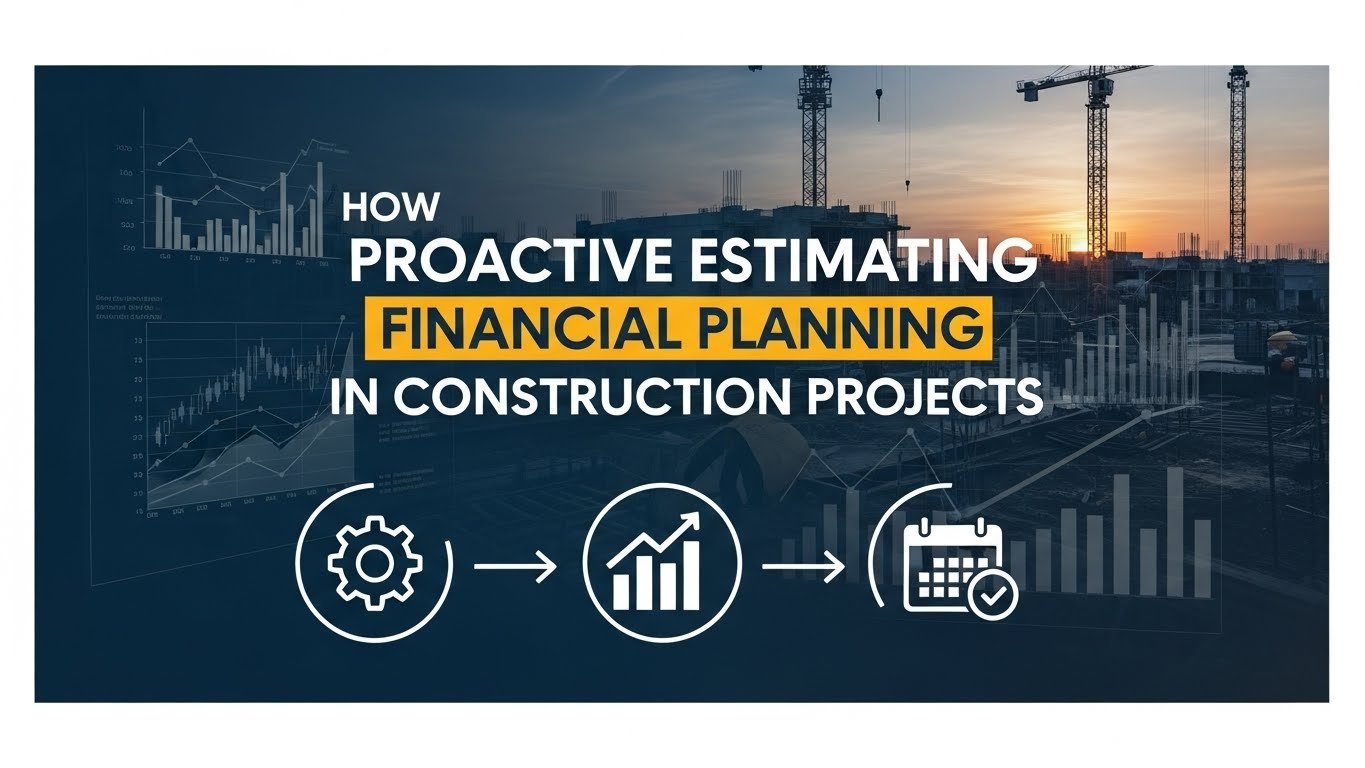
Construction budgeting has developed from a return-give-up task into a proactive leadership characteristic. Rather than reacting to modifications after they arise, present-day initiatives incorporate monetary recognition into early planning discussions. This shift lets groups assume challenges and adjust routes before small problems develop into primary disruptions.
Proactive financial planning helps align with more potent challenges. When economic issues are discussed alongside layout and scheduling, teams expand a shared know-how of priorities. This creates smoother workflows, reduces friction among stakeholders, and encourages picks that defend both creative motive and financial balance.
Design Clarity as a Foundation for Accuracy
Budget accuracy relies heavily upon how a certain undertaking is described. Vague ideas frequently cause indistinct budgets, increasing the risk of misinterpretation and misalignment. Clear visualization facilitates teams’ apprehending scope, relationships, and requirements earlier than commitments are made.
By integrating Construction Estimating Companies into early planning, teams gain access to specific virtual representations that reinforce conversation and coordination. These visual frameworks make it easier to interpret design purpose, align expectations, and support more reliable monetary planning. As a result, budgets are developed from informed expertise in preference to assumptions.
Innovation Through Integrated Project Insight
Innovation in budget accuracy is pushed much less with the aid of complexity and more by connection. Financial planning plans are no longer isolated from design improvement or undertaking coordination. Instead, it evolves through continuous insight drawn from more than one discipline working collectively.
When task records flow freely between teams, budgeting becomes an adaptive technique in place of a set record. This included perspective lets in tasks to respond to evolving requirements without losing economic control. Innovation, in this sense, is about creating smarter systems that aid clarity, transparency, and responsiveness.
Collaboration as a Driver of Financial Confidence
No single discipline holds all of the answers needed for correct construction finances. Architects, engineers, planners, and economic specialists all contribute expertise that shapes undertaking routes. When these insights are aligned early, budgets grow to be more resilient and reflective of real task desires.
Collaborative environments inspire open communication and shared obligation. Instead of viewing budgeting as a separate challenge, teams approach it as a collective effort. This culture of collaboration reduces misunderstandings, strengthens duty, and builds self-belief among stakeholders who depend upon the budget as a selection-making guide.
Managing Uncertainty With Strategic Awareness
Uncertainty is a natural part of creation, but it should not undermine budget accuracy. Strategic recognition allows teams to understand capacity challenges before they increase. Rather than overcomplicating the procedure, modern-day budgeting emphasizes thoughtful education and bendy planning.
This approach helps balance. Budgets are neither overly rigid nor unrealistically optimistic. Instead, they’re dependent on evolving as projects evolve. Strategic awareness ensures that economic planning remains grounded while still allowing room for innovation and growth.
The Human Expertise Behind Budget Reliability
Technology has transformed production planning; however, it has not changed the need for expert judgment. Data and digital tools provide insight, but it is human information that translates statistics within real international contexts. Experience enables specialists to apprehend patterns, foresee challenges, and guide teams through complicated decisions.
Construction Estimating Service plays an important role in this method by connecting technical expertise with economic methods. They translate mission information into meaningful financial direction, assisting teams to shield value, manage expectations, and hold budget integrity. Their contribution strengthens not only the best price accuracy but also the normal challenges.
Final Thoughts
Improving production finance accuracy is not about proscribing ambition—it’s more about assisting it with clarity. When innovation, collaboration, and expert perception work together, budgeting becomes a strategic asset rather than a challenge. Accurate budgets empower teams to devise with confidence, respond to trade successfully, and guard long-term assignment costs.
As creation continues to adapt, tasks that include current, included budgeting tactics will be better positioned to succeed. Financial accuracy will stay a defining factor in delivering paintings that are efficient, sustainable, and aligned with stakeholder expectations.
FAQs
1. Why is creation finance accuracy so essential these days?
Because current projects contain complicated coordination, changing market situations, and high stakeholder expectations. Accurate budgets offer balance and more manual choices.
2. How does early economic planning enhance undertaking results?
Early planning aligns layout, scope, and expectations before main commitments are made, decreasing the risk of pricey modifications later.
3. What function does collaboration play in budgeting?
Collaboration ensures all disciplines make a contribution of insight, lowering miscommunication and enhancing the reliability of economic planning.
4. How does innovation aid higher budget accuracy?
Innovation connects undertaking facts into smarter workflows, supporting teams to count on desires and adapt without losing manipulation.
5. Can creation budgets remain correct at some stage in an undertaking?
Yes. When budgeting is handled as a continuous and adaptive system, it is able to stay reliable throughout all project stages.