



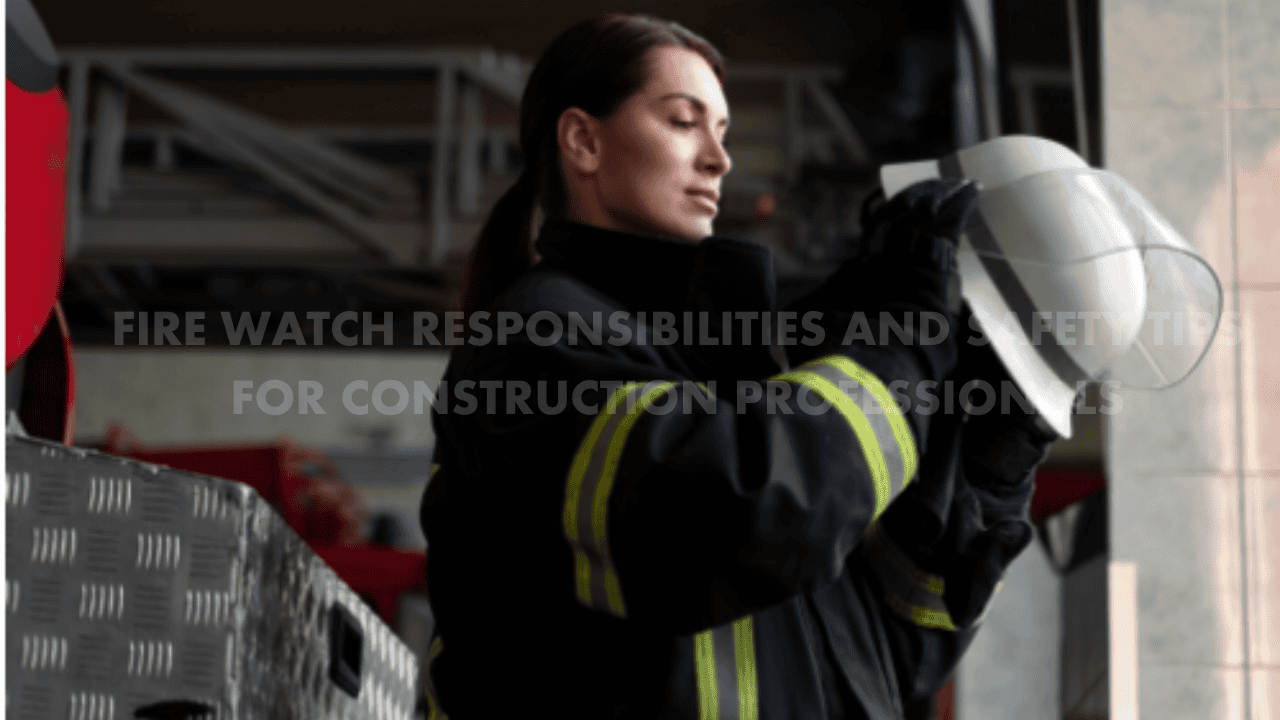
Being a fire watch in New York City? Yeah, it’s not exactly glamorous. Nobody’s lining up to shake your hand at the end of the day, no one’s going to put you on a billboard. But ask anyone who’s spent a summer on a half-built skyscraper, welding sparks flying, and they’ll tell you—those quiet, sweaty hours can make the difference between a small hiccup and a headline in the news. A lot of fire watch folks start their prep with the f80 practice test, and at first glance, it seems kind of boring—like, “Do I really need this?” But the more you dive in, the more you realize it’s a roadmap for keeping people and property safe.
What Fire Watch Really Means
People outside construction often think being a fire watch is basically standing with a clipboard, pretending to look busy. Not true. Not even close. Sure, there’s paperwork sometimes, checking that fire extinguishers are in place, but the real work is walking, scanning, noticing things nobody else sees, and occasionally jumping into action.
Some duties:
- Watching hot work – welding, grinding, cutting… basically anything that throws off sparks or heat.
- Inspecting equipment – fire extinguishers, hoses, alarms, sprinklers. Must be ready, accessible, and, most importantly, working.
- Patrolling the site – corners, stairwells, storage areas. Honestly, a lot of places workers forget even exist.
- Alerting coworkers – quick shouts, radios, hand signals… anything to prevent trouble.
- Handling emergencies – knowing exits, guiding people, coordinating with FDNY if things escalate.
And honestly, most of it is prevention. Fire watch isn’t about putting out flames; it’s about stopping them before they even start.
Why FDNY Rules Matter
New York doesn’t mess around when it comes to fire safety. FDNY regulations are rules for life. Miss one, and things can go sideways fast.
Some things they cover:
- Minimum distance rules during hot work
- How long the fire watch stays after work ends
- Required firefighting equipment and placement
- Reporting hazards or incidents
Many use the f80 practice test to get a handle on all this. It’s not about memorizing; it’s about understanding how to react when things go wrong. You’ll learn why a stray spark on cardboard matters and how far away from a welding torch you actually need to stand.
Safety Tips That Actually Work
Being a fire watch isn’t about paranoia—it’s about attention, preparation, and a little common sense. Here’s what folks swear by:
- Keep moving – standing still is tempting, but patrolling keeps awareness sharp.
- Know your tools – extinguishers, hoses, alarms—be ready to grab and use without thinking.
- Understand the work – different tasks have different risks. Welding sparks are different from paint near an outlet.
- Communicate – a quick shout or “watch that spark” can prevent accidents.
- Double-check hazards – even a small smoldering cardboard box can escalate.
- Learn exits – knowing escape paths is crucial.
- Stay calm – panic is contagious; keeping a level head saves lives.
Handling Emergencies
Emergencies are unpredictable. You need fast reactions, clear thinking, and people skills all at once.
- Identify the fire source – can it be controlled safely?
- Alert the crew – verbal shouts, alarms, radios. Make sure everyone knows.
- Use equipment – extinguishers, hoses, sprinklers.
- Coordinate with FDNY – calm, clear reporting is crucial.
One evening, a small fire erupted near a welding station midtown. The watch guided workers to exits, grabbed extinguishers, and monitored smoke until FDNY arrived. Later, asked how they stayed calm, the watch said, “You either get used to the adrenaline, or you learn to think three moves ahead.”
Developing a Safety Mindset
It’s more than a job. It’s noticing details others miss. Preventing hazards before they happen.
- Stay informed – rules change, equipment updates—keep learning.
- Mentor newcomers – even small tips can prevent big accidents.
- Reflect on incidents – every near-miss is a lesson.
Small acts—spotting a stray spark, checking a frayed cord, reminding someone to put down a cigarette—make all the difference.
Common Misconceptions
A fire watch isn’t “standing around doing nothing.” It’s active, alert, sometimes stressful. It’s mostly prevention, not reaction. Most fires never happen because someone noticed a tiny hazard.
Final Thoughts
Being a fire watch is invisible, unsung, but critical. Tiny actions—one spark noticed, one cord moved, one alert shouted—can prevent disasters. For construction professionals, understanding fire watch responsibilities takes stories, practice, instinct, and yes, tools like the f80 practice test. The job isn’t glamorous. But it is quietly heroic—keeping sites, workers, and the city safe, one careful observation at a time.