



The way people create visual content has changed rapidly, especially as browser-based tools become more powerful and accessible. Today, even a beginner can open an online image editor and start designing visuals within minutes, without installing heavy software or learning complex controls. This shift has transformed creative work into something faster, more flexible, and far more inclusive for individuals and small teams working online.
The Rise of Browser-Based Creative Tools
Simplicity as a Core Design Principle
In earlier years, editing images or videos required expensive programs and advanced skills. Modern creators, however, value tools that are simple, fast, and easy to understand. Browser-based platforms focus on clean interfaces, logical menus, and features that solve everyday problems. This simplicity encourages experimentation and reduces the fear of making mistakes.
By removing technical barriers, these tools allow users to focus on ideas rather than software limitations. Students, marketers, and hobbyists can all work comfortably without feeling overwhelmed by unnecessary options.
Accessibility Across Devices
Another major advantage of web-based tools is accessibility. Because everything runs in the browser, users can switch between devices without losing progress. Files are stored online, making it easier to collaborate, review changes, and access projects from anywhere. This flexibility supports remote work and allows creative processes to adapt to modern lifestyles.
Image Editing for Everyday Needs
Beyond Professional Design Work
Image editing is no longer limited to designers and photographers. People now edit images for presentations, websites, online stores, and social media posts. A dependable online image editor helps users resize images, adjust brightness, remove backgrounds, and add text quickly. These tasks, once time-consuming, are now part of everyday digital communication.
The convenience of browser-based editing also supports consistency. Users can maintain a unified visual style across platforms without relying on external help or expensive tools.
Speed Without Sacrificing Quality
While speed is important, quality remains essential. Modern image editing platforms focus on preserving resolution and color accuracy. Smart presets and templates allow users to achieve polished results quickly, while manual adjustments provide creative control when needed. This balance makes editing both efficient and satisfying.
Video Editing Made Simple
Lowering the Barrier to Video Creation
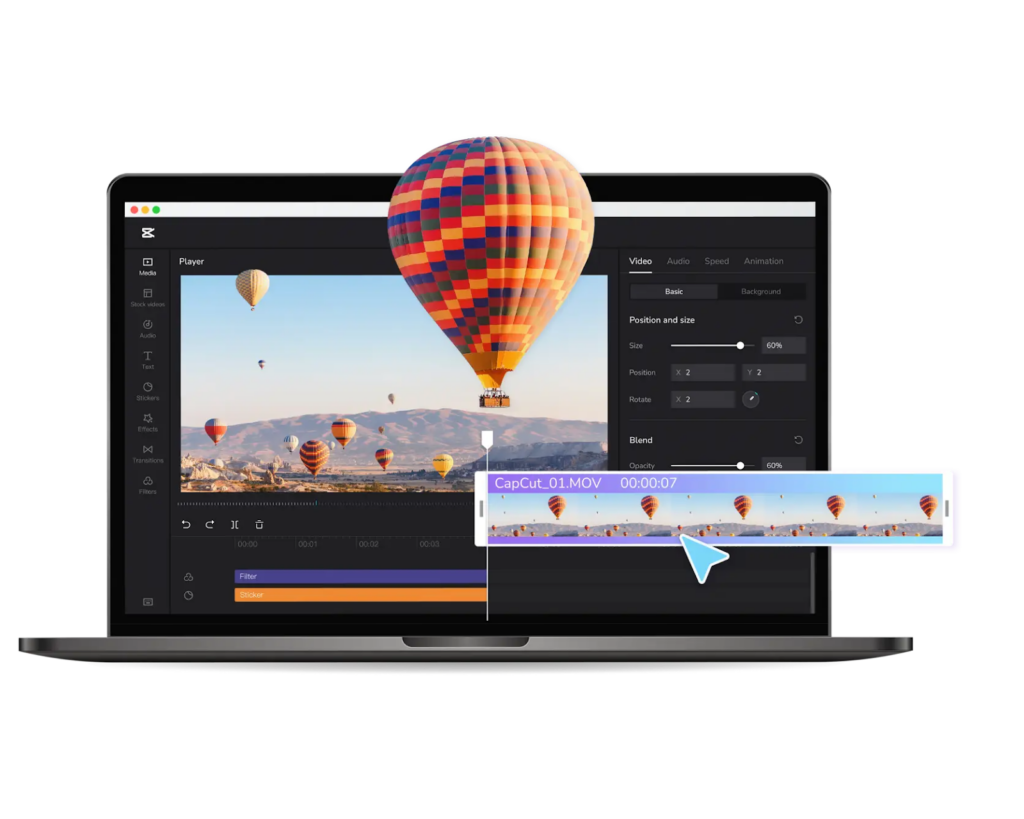
Video content dominates the digital space, but traditional video software often feels intimidating. A video editor free from complicated timelines and technical jargon makes video creation more approachable. Users can trim clips, add transitions, and include music without extensive training.
This simplicity helps creators focus on storytelling rather than struggling with tools. As confidence grows, users naturally explore more features and refine their editing style over time.
Supporting Modern Content Formats
Short videos, tutorials, and promotional clips are now standard online. Editing platforms have adapted by offering preset aspect ratios, caption tools, and optimized export options. With a video editor free of unnecessary complexity, creators can quickly prepare content that looks professional and fits platform requirements.
Creating a Unified Creative Workflow
Combining Visual Formats Seamlessly
Many projects require both images and videos. Marketing campaigns, educational content, and personal branding often rely on consistent visuals across formats. Using an online image editor alongside a compatible video tool helps maintain the same colors, fonts, and design style throughout a project.
This consistency strengthens brand identity and makes content more recognizable to audiences. It also reduces the time spent switching between different tools.
Saving Time and Resources
Cloud-based editing platforms save more than just time. They reduce hardware requirements and eliminate long installation processes. Users can work on older devices without performance issues, making creative work more accessible. For small businesses and freelancers, these savings can make a significant difference.
Choosing the Right Editing Platform
Defining Your Creative Goals
Before selecting any tool, it is important to understand your goals. Are you creating social media content, educational materials, or marketing visuals? Knowing your purpose helps you choose features that support your workflow. Some users prefer automation and templates, while others value manual control.
The best tools adapt to the user, not the other way around. Flexibility is key to long-term satisfaction.
Understanding Free Tool Limitations
While free tools are powerful, they may come with limitations. A video editor free to use might include export limits or basic feature caps. Similarly, an image editor may restrict storage or file size. Testing tools before committing ensures they meet your expectations without unexpected drawbacks.
The Future of Online Editing
Smarter Assistance, Human Creativity
As technology evolves, editing platforms continue to integrate intelligent features. Automated enhancements and smart suggestions help users work faster, but creativity remains human-driven. These tools support decision-making rather than replacing it, keeping creativity authentic and personal.
This balance allows users of all skill levels to create high-quality visuals confidently.
Creativity Without Barriers
The growing popularity of accessible editing tools reflects a broader cultural shift. Creativity is no longer reserved for professionals. With the help of an online image editor and a video editor free from steep learning curves, anyone can share ideas visually.
In a world driven by digital communication, easy-to-use editing tools empower people to tell stories, promote ideas, and connect with audiences. As these platforms continue to improve, they will play an even greater role in shaping how creativity fits into everyday life.