


Contemporary gardeners are more interested in beautiful outdoor areas without the need to maintain them according to the strict maintenance practices that require the use of precious time and resources. The best solution to this has been low-maintenance flowers, which provide color, visual appeal and emails to the environment in addition to requiring little water, fertilizers and care. Knowledge of the flowers that do well with minimum attention gives homeowners the power to make beautiful gardens based on the achievable lifestyle commitments and environmental awareness.
Why Low-Maintenance Matters
Traditional gardens were quite costly: they had to be watered, weeded, fertilized, pest controlled on a daily basis. This intensive practice is not practicable to busy people, aging gardeners and people with the environment in mind. The disease-resistant, drought-tolerant flowers put an end to all of these requirements, but in fact, these flowers enhance the environmental results due to less water used and minimal use of chemicals. Low-maintenance gardening is a high-brow design philosophy as opposed to being a compromise landscape.
Basic Low-Maintenance Flower Groupings
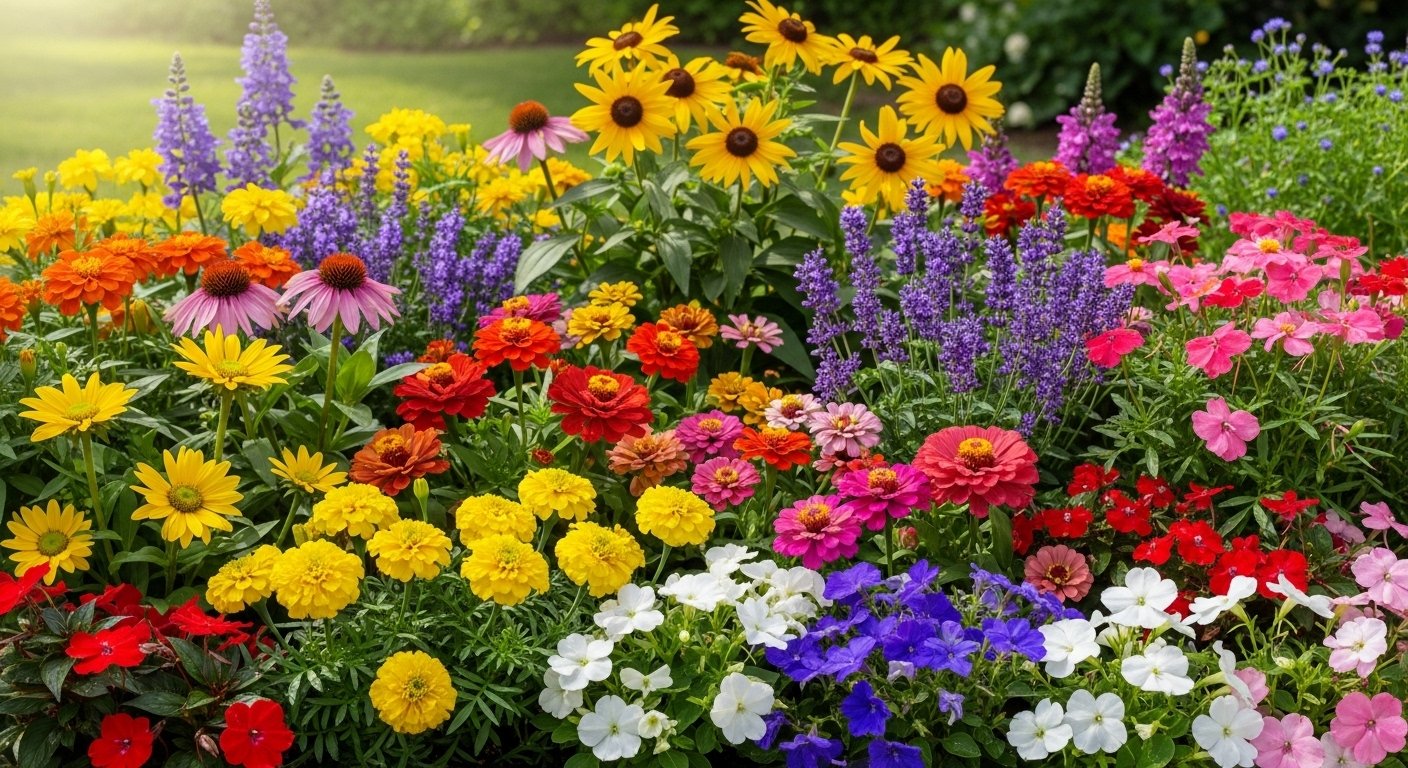
Perennial flowers come back with each year without needing to be replanted which is an added benefit since it will save greatly on labor and cost to have to incur again. Perennials have deep root systems, unlike annuals, which have to be replanted every season, and thus they are able to survive through the droughts and competition with weeds. Black-eyed Susans, coneflowers, daylilies, and sedums are some of the examples of perennials that are hardy and unusually beautiful.
Native flowers that are adjusted to the surrounding climates grow without much interference. These indigenous species adapted under the premise that only natural rainfall was needed, which helps the local ecosystems and gives the meadow like appearance. The Mediterranean flowers such as lavender, rosemary, and sage are characterized by unparalleled drought resistance and pest resistance, which can grow even in the bad soils.
The final type of low-maintenance plants are succulents. These are water retaining plants that can endure long periods of dry seasons, do not need numerous soil nutrients and are seldom infested by pests. Sedums, sempervivums, and echeverias provide architectural interest by their use of shape and texture instead of color changes with season.
Sourcing Quality Plants
Effective gardening with low-maintenance can start with purchasing of healthy and suitable selected plants at reputable nurseries. Professional nurseries with massive stocks and educated personnel also provide you with the assurance that you are choosing flowers that can fit your climate and soil type as well as the amount of light reaching it. The consultation by experts will lower the chances of buying inappropriate plants that will incur additional expenses to survive in marginal conditions.
Websites such as gan-yarak.co.il show overall nursery operation where full choices of flowers, ornamental plant, trees and gardening materials are availed with special consideration to various conditions of growth. Professional consultation will assist in finding the best options to your unique garden design- low maintenance success as opposed to continued frustration against inappropriate plant choice.
Planting for Success
Long-term maintenance needs depends on proper technique of planting. Before planting, soil should be improved with organic matter to provide a good root system that will allow a drought-tolerant soil. Proper spacing allows avoidance of overcrowding which promotes disease and pest issues. Application of mulch stores soil moisture, regulates temperature and inhibits weeds- saves on the use of maintenance to a great extent.
Watering Wisdom
Even low maintenance flowers need to be properly established through watering in the first growing season. After being introduced, the drought-tolerant varieties would only require extra water in extreme drought events or extreme heat. With efficient irrigation of the area, using drip systems or soaker hose, water is directed to the roots, and little waste is lost or risk of disease introduced by moisture on the foliage.
Strategic Design Approach
Planting together those with comparable needs of water and nutrients forms microhabitats that do not need a lot of customization. By placing drought resistant flowers in groups, you can be able to allocate water effectively and still keep greener areas with more water consuming plants separately. The effect of this strategic grouping is less maintenance and the optimum health of the plants.
Seasonal Care Minimization
The flowers that require low maintenance do away with the continuous deadheading, staking and pruning which are a waste of time in conventional gardens. Fall clean-up is limited- a variety of decorative species offer winter structure and animal shelter and are removed in the spring. Such laissez-faire style gives you time to just appreciate your beautiful garden instead of working on it all the time.