



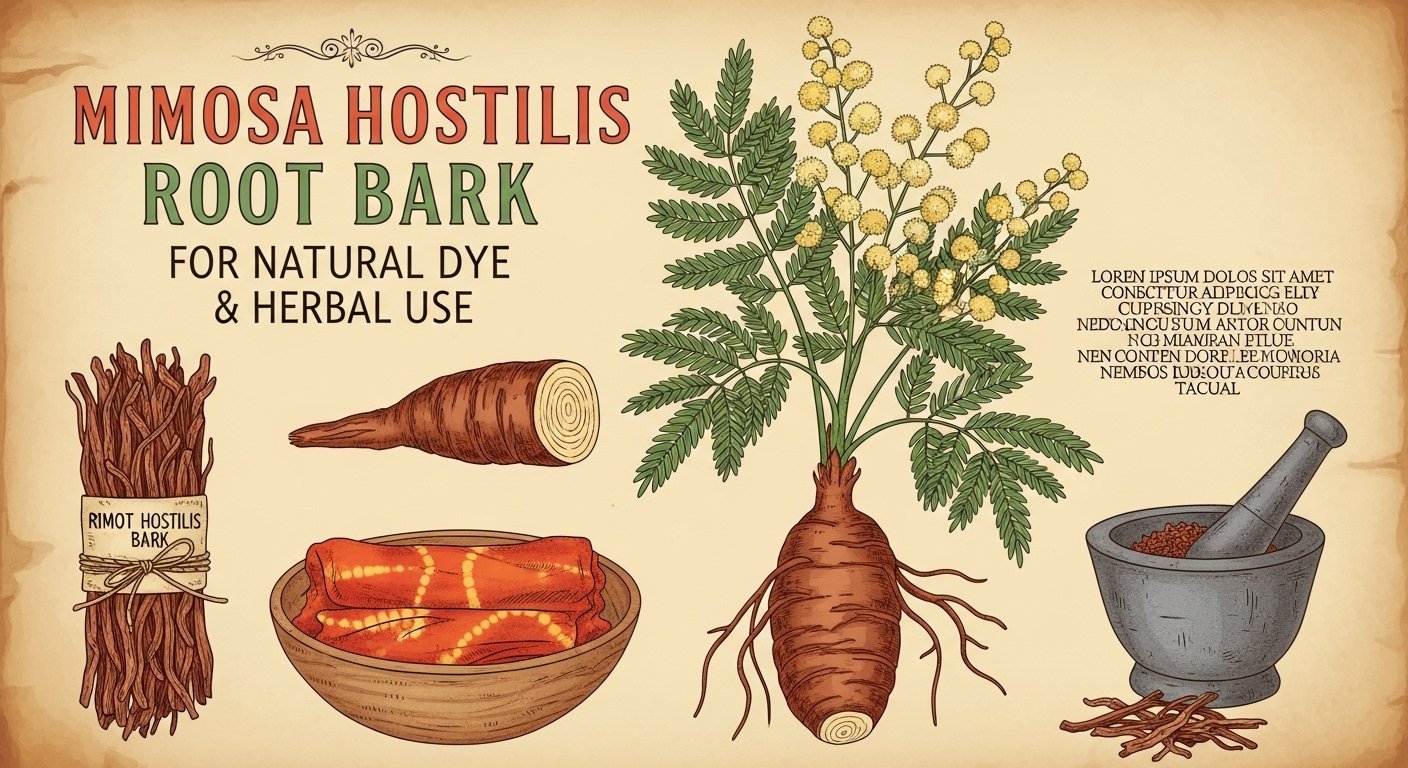
Nature has always been humanity’s pharmacy and hardware store. For centuries, cultures around the world have turned to plants not just for sustenance, but for healing, crafting, and creating. Among the many botanical treasures found in South and Central America, one particular tree stands out for its versatility and potent properties: Mimosa tenuiflora, commonly known in the trade as Mimosa Hostilis.
While you may have heard the name, the true scope of what Mimosa Hostilis Root Bark (MHRB) offers is often overlooked. From its deep historical roots in indigenous culture to its modern applications in skincare and textile arts, this plant is a powerhouse of natural potential.
Whether you are a natural dye enthusiast looking for the perfect shade of purple-brown or someone seeking natural solutions for skin health, understanding the benefits and origins of this root bark is the first step. Let’s explore what makes this botanical product so unique and why it is gaining traction in the United States.
What is Mimosa Hostilis Root Bark?
Mimosa Hostilis, or Mimosa tenuiflora, is a perennial tree native to the northeastern region of Brazil and parts of Mexico. It is a resilient species, capable of thriving in harsh, tropical climates. While the tree produces beautiful white fern-like flowers, the true value lies beneath the soil.
The root bark—specifically the inner root bark—is harvested for its high concentration of tannins and other beneficial compounds. In Mexico, this tree is famously referred to as Tepezcohuite. For generations, the native people of South and Central America have utilized this bark for a variety of daily needs, recognizing it as a gift from nature.
Unlike other botanicals that might be harvested for their leaves or flowers, the root bark is durable and retains its properties for a long time when dried and stored correctly. This durability makes it an excellent material for export and long-term use in various projects.
The “Skin Tree”: Benefits for Skincare
One of the most celebrated uses of Mimosa Hostilis Root Bark is in the realm of dermatology and skincare. In fact, its reputation for skin health is so strong that it has been a staple in Mexican household remedies for decades.
The inner root bark is rich in tannins, alkaloids, lipids, and phytosterols. These components work together to promote skin wellness. The bark is widely recognized for its restorative properties, particularly regarding:
- Soothing Burns: Historically, the powder from the bark has been applied to burns and lesions. It is believed to help soothe the skin and protect it during the recovery process.
- Anti-Aging Applications: Because of its regenerative reputation, Mimosa Hostilis is increasingly found in modern creams, lotions, and serums. It is believed to help combat the visible signs of aging by promoting skin elasticity and hydration.
- General Skin Conditions: From acne to minor wounds, the antimicrobial and antiseptic properties associated with the bark make it a go-to natural ingredient for maintaining clear, healthy skin.
When you buy Mimosa Hostilis Root Bark in powdered form, it can be easily incorporated into DIY soaps, face masks, and salves, bringing these ancient benefits into your modern skincare routine.
A Natural Artist’s Tool: Dyeing with MHRB
Beyond skincare, Mimosa Hostilis Root Bark is a favorite secret weapon among artists, specifically those who work with textiles and leather. In a world dominated by synthetic, chemical-heavy dyes, MHRB offers a non-toxic, eco-friendly alternative.
The high tannin content in the bark (often around 16%) makes it an exceptional natural dye. Tannins are naturally occurring compounds that bind to proteins and cellulose, making them ideal for dyeing:
- Fabrics: It works beautifully on natural fibers like cotton, wool, silk, and linen. Depending on the mordant used (a substance used to set dyes), MHRB can produce a stunning range of colors, from vibrant purples and deep browns to soft pinks and greys.
- Leather: Tannins are essential in the leather tanning process. Using MHRB allows for a natural tanning method that results in durable, richly colored leather without the use of harsh heavy metals often found in commercial tanning.
- Art Projects: For painters and mixed-media artists, the pigment extracted from the root bark provides a unique, earthy medium that connects the artwork directly to the natural world.
The Importance of Ethical Sourcing
As the popularity of Mimosa Hostilis Root Bark grows, so does the responsibility of the consumer to choose ethical suppliers. The demand for exotic botanicals can sometimes lead to over-harvesting, which damages the ecosystem and threatens the longevity of the species.
When looking to buy Mimosa Hostilis Root Bark, it is vital to look for suppliers who prioritize sustainability. A reputable vendor, such as MHRBUSA™, operates with a philosophy of environmental stewardship.
Sustainable Farming
Ethical sourcing means ensuring that the trees are not just taken, but replenished. The best suppliers work with farmers in Brazil who utilize fair trade systems. This ensures two things:
- Reforestation: A commitment to planting more trees than are harvested. This cycle ensures the species continues to thrive for future generations.
- Fair Wages: Ensuring that the farmers who do the hard work of cultivating and harvesting the root bark make a decent living.
Domestic Availability
While the plant grows in South America, buying from a supplier that stocks the product within the United States offers significant advantages. Importing botanicals on your own can be a headache involving customs delays and potential seizures. Suppliers who handle the importation process for you eliminate this risk. You get the benefit of an exotic product with the convenience of domestic shipping—often with same-day dispatch and tracking.
Choosing the Right Form for Your Needs
Mimosa Hostilis Root Bark typically comes in three forms. Choosing the right one depends entirely on how you plan to use it.
1. Whole Root Bark
This is the bark in its most natural, unprocessed state. It consists of large chunks of the root.
- Best for: Those who want to verify the quality and purity of the product themselves. It allows you to see the deep purple inner bark. It is also ideal for long-term storage, as the lower surface area reduces oxidation.
2. Shredded Bark
The shredded form has been broken down into smaller, fibrous strands.
- Best for: Textile artists and dyers. The increased surface area makes it easier to extract the tannins and pigments when boiling the bark for dye baths, without the mess of a fine powder.
3. Powdered Bark
This is the root bark ground into a fine dust.
- Best for: Skincare and soap making. The fine powder can be easily mixed into creams, lotions, or soap bases. It allows for a smooth texture in the final product and releases its beneficial compounds quickly.
Conclusion
Mimosa Hostilis Root Bark is far more than just a piece of dried plant matter; it is a bridge between ancient tradition and modern natural living. Whether you are seeking to revitalize your skin with the power of Tepezcohuite, create stunning natural textiles, or simply support sustainable agriculture in South America, this root bark is an exceptional resource.
By choosing a trusted, US-based supplier that values quality and sustainability, you ensure that your projects are not only successful but also environmentally responsible.