



The Rise of Personality-Driven Branding
In today’s digital economy, the line between personal identity and business branding has become increasingly blurred. Consumers no longer connect with faceless corporations; they want stories, personalities, and values. This shift has led to the rise of personality-driven branding—a strategy where the individual behind the brand becomes the key differentiator.
Think of Elon Musk, Richard Branson, or even internet influencers like MrBeast. Their businesses thrive not just because of great products, but because of who they are. Their audiences trust them, follow them, and engage with them. Whether you are building a startup, launching a product, or growing a service-based business, the person behind the brand often becomes the brand itself.
In a world dominated by algorithms, authenticity sells. And the businesses that master the art of blending personal voice with business strategy often win bigger.
Why Storytelling Is Your Strongest Asset
Storytelling has always been part of human culture. But in business, it’s more important than ever. Customers want to know why a product exists, not just what it does. The strongest brands don’t just sell—they connect, they resonate, and they build loyalty through a compelling narrative.
Look at companies like TOMS, which built a global business on the simple idea of “one for one.” Or even smaller brands like local artisan coffee roasters who share every step of their bean sourcing journey. These stories give customers something to emotionally invest in.
Even personal stories unrelated to products can have an impact. For instance, when actor Sam Elliott publicly discussed his wellness routine and discipline despite aging, the phrase “Sam Elliott health condition” began trending—not because people feared illness, but because they admired resilience. It wasn’t marketing, but it created buzz and a wave of brand interest for wellness-focused collaborations tied to his image.
In business, this proves a key truth: the story sells the product. People remember feelings, not features.
The Superpower of Niches: Small Markets, Big Impact
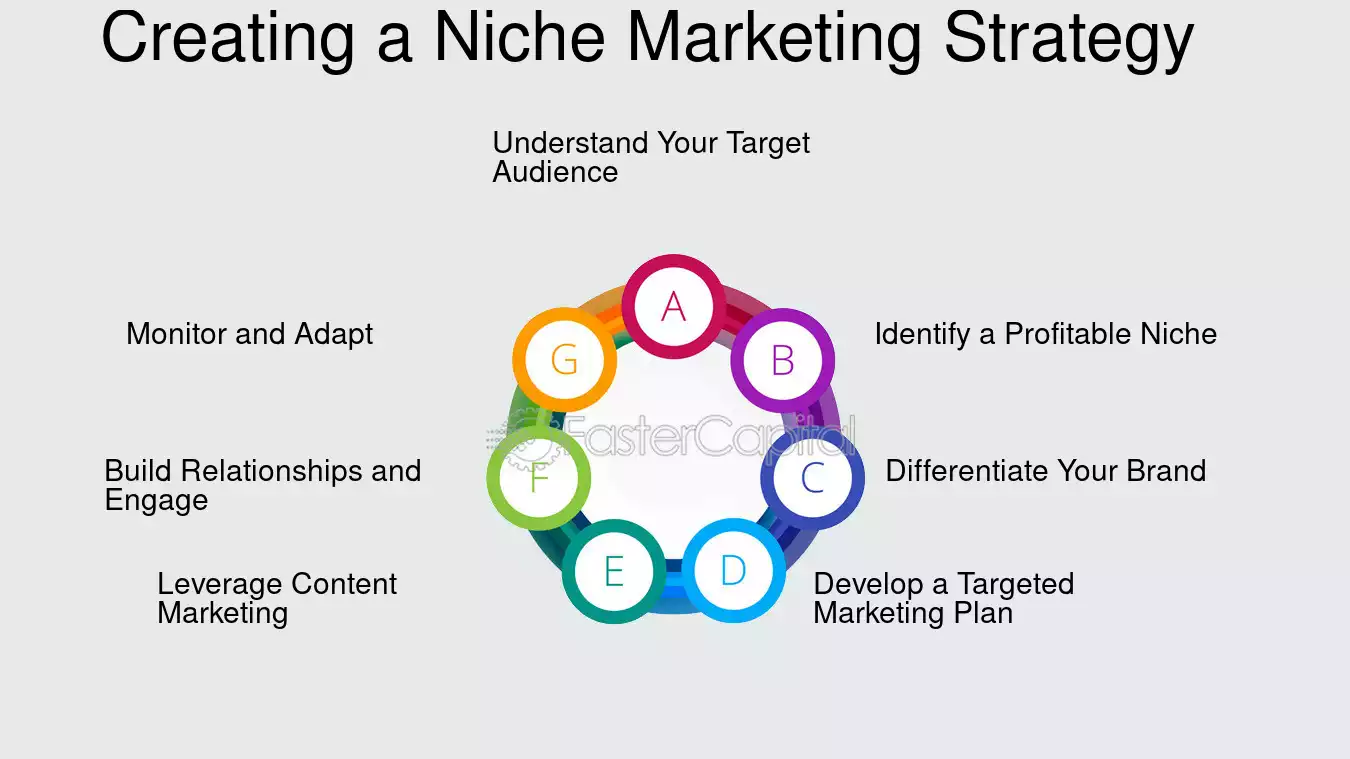
Many entrepreneurs make the mistake of targeting “everyone.” But in reality, the most successful modern businesses go deep, not wide. Niche markets have become goldmines—offering loyalty, high engagement, and powerful word-of-mouth marketing.
Take, for example, the explosive rise of the Supercar YouTuber. These creators carved out a lucrative niche by focusing on luxury car reviews, modifications, and lifestyle content. What started as a passion has become big business. With millions of subscribers and brand partnerships with car manufacturers, detailing companies, and finance apps, these niche creators generate serious revenue.
Their audience may not be as broad as a lifestyle vlogger’s, but it’s far more valuable per follower. That’s the magic of the niche: deeper trust, more meaningful content, and a clearer path to monetization.
Businesses that identify and serve niche communities—whether it’s eco-conscious pet owners or vintage tech collectors—are often the ones that scale sustainably and profitably.
Building Trust in a Skeptical Market
In an era of scams, fake reviews, and digital overload, trust is the new currency. No matter how flashy your product is, if people don’t trust your brand, they won’t buy.
This is where transparency, social proof, and consistent messaging become powerful business tools. Modern consumers look for cues: Do you have real reviews? Do you show behind-the-scenes content? Are you consistent in your values across platforms?
Building trust doesn’t require a huge budget. It requires honesty, patience, and clarity. Whether it’s a well-written FAQ page, live product demos, or customer testimonials, businesses that go the extra mile to prove their credibility always stand out.
Trust-building is not a one-time effort—it’s a culture that needs to be baked into every customer interaction.
Platforms Are the New Stores: Choosing the Right One
The modern business landscape is platform-first. Whether it’s Shopify, Amazon, Instagram, or TikTok, your platform of choice can make or break your growth.
Each platform has its own ecosystem, culture, and buyer behavior. Selling digital art? You may want to start with Etsy and Discord communities. Launching a skincare line? Instagram and Pinterest are key players. Creating automotive or luxury content? YouTube and Facebook Reels are the front lines.
The right platform lets you meet customers where they already are. It shortens the sales cycle and reduces marketing friction. But platform selection isn’t just about trends—it’s about knowing where your audience is most ready to buy.
Businesses that grow the fastest are those that master one platform deeply before expanding to others.
Monetization Models That Work in 2026
The way businesses make money is changing rapidly. Subscription models, microtransactions, paywalls, affiliate marketing, and digital product bundles are becoming more common than simple one-time sales.
Here are five monetization strategies dominating the market right now:
- Subscription boxes and services – Perfect for physical products (like snacks or cosmetics) or digital tools (like SaaS or online education).
- Freemium with upsell – Offering free value with premium add-ons is a smart way to build an audience before monetizing.
- Community-based access – Private memberships, Discord groups, or coaching communities offer exclusive content and a sense of belonging.
- Digital products and templates – Easy to scale, with low overhead. This includes ebooks, planners, stock photos, and guides.
- Affiliate & influencer partnerships – Making money by selling someone else’s product to your own audience is booming—especially for creators and solopreneurs.
Smart businesses today don’t rely on just one stream of income. They layer monetization tactics to create stability and scale.
AI and Automation: Scaling Without Losing the Human Touch
Artificial intelligence has become a powerful tool for business owners in 2026. From chatbots and email automation to predictive analytics and content creation, AI allows small teams to operate like large corporations.
However, as automation grows, so does the need for human warmth. Brands that strike the right balance between efficient systems and genuine human connection perform best.
For example, using AI to sort customer emails is smart—but following up with a personal voice note or video message builds unforgettable loyalty. Businesses that find ways to automate tasks without making customers feel automated will win long-term trust.
The Power of Micro-Influencers and Community Ambassadors
The influencer marketing world has evolved. Mega influencers still have reach, but it’s the micro and nano influencers—those with 1,000 to 100,000 followers—who are driving conversions.
Their audiences are tighter-knit and more loyal. These influencers often respond to comments, create high-quality content, and maintain stronger credibility. For brands, this means higher ROI and more meaningful brand conversations.
Many businesses now build brand ambassador programs, turning loyal customers into marketers. This kind of word-of-mouth marketing feels organic, trusted, and effective—especially when backed with custom discount codes or affiliate incentives.
Brand Longevity in a Trend-Driven Market
Trends come and go. What’s “in” today may be forgotten tomorrow. For long-term success, businesses need to develop brand equity that lasts beyond the hype cycle.
This means:
- Investing in quality over quantity
- Focusing on values rather than gimmicks
- Building a brand that’s adaptable, not trend-chasing
Take Patagonia, for example. Their brand mission around sustainability has remained consistent for decades—even as styles, platforms, and consumer habits change. As a result, they’ve built one of the most trusted and beloved brands in the world.
Longevity in business comes from doing fewer things better—and making decisions that protect your brand’s reputation for years to come.
Measuring What Matters
Too many businesses get distracted by vanity metrics—likes, views, or page visits. But the most successful entrepreneurs focus on impact metrics:
- Customer lifetime value (CLV)
- Conversion rate
- Churn rate
- Engagement quality
- Return on ad spend (ROAS)
Understanding what actually moves your business forward is key to healthy growth. Great businesses build dashboards that track performance across financial, customer, and operational metrics—not just social ones.
As the old saying goes: what gets measured, gets managed. And in 2026, precision is power.
Final Thoughts: Modern Business Is Personal, Purposeful, and Powerful
We’re in the middle of a business revolution. One where individuals can build empires from their bedrooms, and where a well-told story can outperform a million-dollar ad.
Success today requires clarity, authenticity, and creativity. It’s not about having the loudest voice, but the most honest one. Whether you’re inspired by a Supercar YouTuber turning hobbies into income, or the unexpected viral impact of stories like the one surrounding Sam Elliott health condition, one thing is clear: people drive business.
The future belongs to those who know who they are, who they serve, and how to communicate with meaning. Build with heart, lead with story, and grow with purpose.