



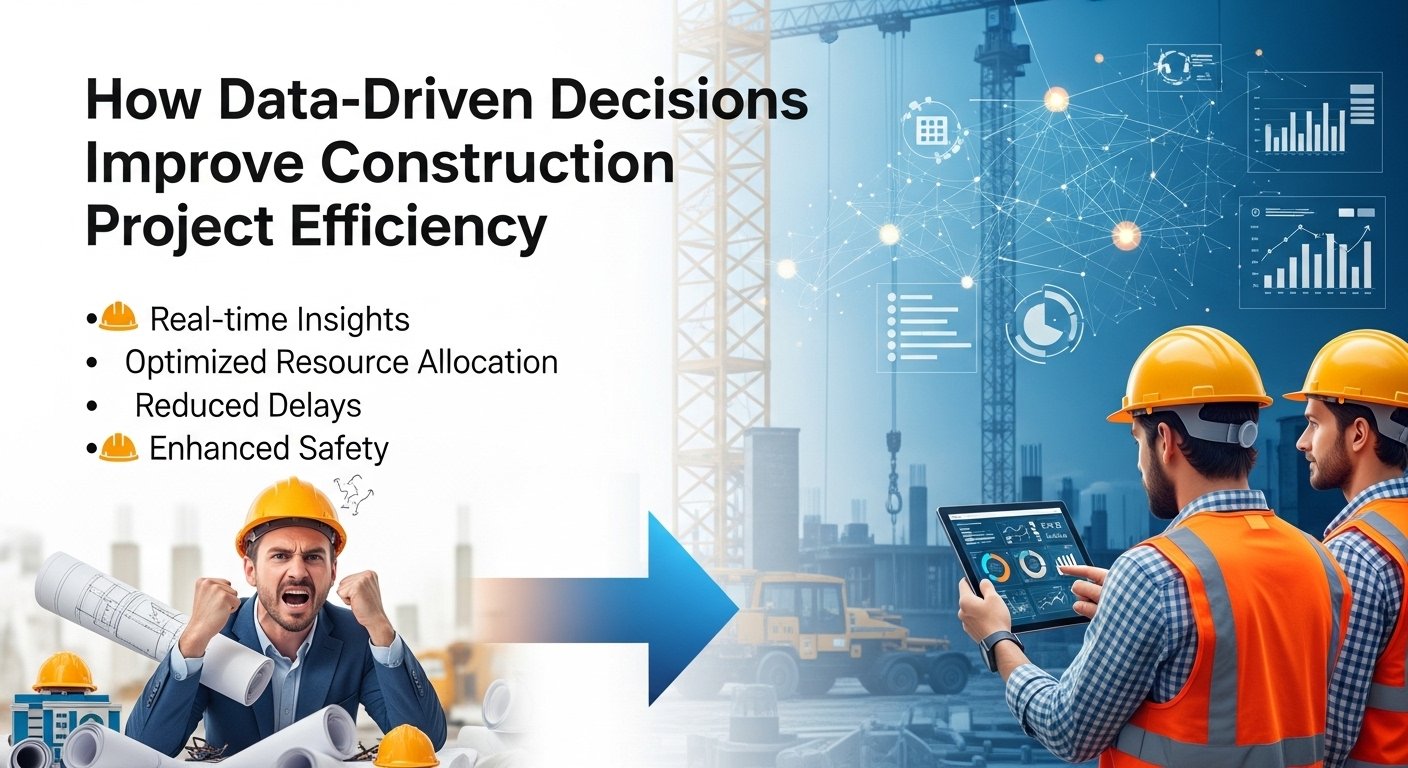
The creation industry has constantly trusted enjoyment, planning, and coordination. However, as duties become larger and extra complicated, conventional selection-making techniques are no longer enough to maintain schedules tight and budgets manageable. Today, data-driven decisions are reshaping how production tasks are planned, managed, and added. By the use of correct information in vicinity of assumptions, production businesses can beautify performance, lessen dangers, and gain higher effects
In contemporary production, information comes from many resources, consisting of cloth utilization, hard work performance, cost monitoring, and delivery chain information. For example, insights drawn from providers that include a PPGI metal coil distributor in California help contractors better recognize pricing tendencies, transport timelines, and cloth availability. When this kind of fact is factored into making plans early, tasks become more predictable and much less liable to sudden disruptions.
Understanding Data-Driven Decision-Making in Construction
Data-driven decision-making actually means the use of actual records and measurable statistics to guide movements in place of depending totally on instinct. In creation, this could consist of reading historical undertaking facts, monitoring real-time development, and comparing performance metrics against benchmarks. Instead of guessing how long a mission may take or how much it might cost, groups use facts regularly supported by insights from a Procurement Consulting Firm in Florida to make informed choices that enhance accuracy and performance.
This technique allows undertaking managers to see patterns that are, in any other case, easy to overlook. Delays, cost overruns, and productivity issues frequently repeat themselves throughout tasks. Data allows the bus to become aware of these patterns early, making it less complicated to prevent the same mistakes from taking place again.
Better Planning and More Accurate Forecasting
One of the largest advantages of records-driven construction is improved planning. Accurate statistics permit teams to forecast timelines, hard work necessities, and fees with a lot more confidence. When planners can evaluate past venture consequences, they may be better prepared to estimate how long similar responsibilities will take in the future.
Reliable forecasting also improves client acceptance. When timelines and budgets are based on strong statistics, expectations are clearer from the beginning. This reduces disputes, alternate orders, and last-minute modifications that regularly slow projects down and increase fees.
Cost Control Through Real-Time Data
Cost overruns are one of the most commonplace demanding situations in production. Data-driven equipment allows groups to track charges in real time, making it easier to identify issues before they spiral out of control. Instead of reviewing prices after the harm is executed, managers can take instantaneous action when spending exceeds projections.
This stage of visibility additionally helps make smarter procurement choices. When pricing statistics and dealer performance are tracked continually, agencies can negotiate better contracts, avoid unreliable vendors, and make buying choices that align with long-term project desires.
Streamlining Complex Projects With Structured Data
Large construction projects involve a couple of stakeholders, contractors, and phases. Without organized data, coordination becomes difficult, and errors increase. This is where integrated planning procedures, such as those of a PPGI steel coil distributor in California, play a critical function by aligning schedules, budgets, and assets via centralized records systems.
When all groups work from the same fact supply, misunderstandings are decreased. Everyone is aware of what stage the assignment is in, what duties are pending, and what assets are required next. This readability improves workflow and continues initiatives, transferring forward smoothly.
Improving Productivity and Resource Allocation
Data-driven insights are precious with regard to coping with labor and technology. By analyzing productivity statistics, task managers can determine which groups are performing effectively and which regions need development. This permits better personnel making plans and more powerful use of equipment on the page.
For instance, if facts suggest repeated downtime for a certain system, managers can modify schedules or maintenance plans as a result. These small adjustments add up, saving money and time at the same time as preserving tasks heading in the right direction.
Reducing Risks and Preventing Delays
Construction initiatives are full of risks, from delivery chain disruptions to sudden site conditions. Data enables lessening uncertainty by highlighting capability risks early. Predictive analytics can flag timetable slippages, price spikes, or fabric shortages earlier than they would cause serious delays.
Many agencies now rely upon expert steering from Master Plan Construction Services to research supply chain statistics, vendor performance, and purchasing strategies. This form of informed help enables construction teams to make smarter decisions that shield timelines and decrease monetary exposure.
Strengthening Communication and Collaboration
Clear conversation is vital for green project delivery. Data-pushed structures provide shared dashboards and reviews that keep all people informed in real time. Contractors, engineers, and customers can all get access to the same statistics, decreasing confusion and pointless back-and-forth.
When decisions are supported with the aid of facts, discussions become more effective. Instead of debating opinions, groups focus on records. This improves collaboration, quickens approvals, and guarantees that everybody is aligned with mission targets.
Measuring Performance and Learning From Results
Another fundamental gain of data-driven creation is the ability to measure performance appropriately. Key performance indicators, which include cost performance, agenda adherence, and exceptional metrics, offer clear insights into how properly a mission is performing.
After the assignment of the entirety, these facts become a valuable study device. By reviewing what labored and what didn’t, corporations can refine their techniques and enhance overall performance on future tasks.
The Future of Efficient Construction
As the generation continues to conform, facts-pushed decision-making will become even more crucial in construction. Companies that include analytics, virtual equipment, and established records can be better positioned to address complicated initiatives, adapt to market modifications, and deliver everyday results.
Conclusion
Data-pushed choices are no longer non-obligatory in modern-day construction; they’re important. By using accurate information to guide their efforts, manipulate prices, manipulate dangers, and enhance collaboration, production teams can considerably increase task efficiency. The result is smoother execution, better economic performance, and more potent client pleasure. As the enterprise continues to develop and evolve, folks who rely upon statistics will lead the way closer to smarter, more efficient production tasks.