



The global supply chain used to be something only procurement teams and freight managers worried about. But after years of post-pandemic shocks, geopolitical instability, and tech evolution, supply chain resilience has become a boardroom priority.
From Fortune 500 companies to eCommerce startups, everyone is now asking: How can we ship smarter, move faster, and stay prepared for anything?
Welcome to the new era of logistics, where tech meets strategy—and where speed, sustainability, and transparency are the new benchmarks.
The Evolution of Logistics: From Back-End to Boardroom
Logistics was once seen as a back-office function. Now, it’s a competitive advantage.
Apple’s precision in supply chain management isn’t just impressive—it’s a major reason for its global dominance. Amazon’s Prime promise? Pure logistics magic.
Even small brands know: if you can’t deliver quickly and affordably, customers go elsewhere. That’s why logistics has shifted from being reactive to becoming strategic.
The right shipping partnerships, tech tools, and fulfillment models can determine whether a company thrives—or merely survives.
Tech Is Driving the New Supply Chain
Today’s smartest companies are turning to logistics tech for visibility, speed, and control. The tools vary, but the goals are similar:
- Real-time tracking: See where goods are, not where they should be.
- AI-powered forecasting: Predict demand and optimize inventory.
- Warehouse automation: Increase efficiency and reduce human error.
- Blockchain for traceability: Build trust in sourcing and shipping.
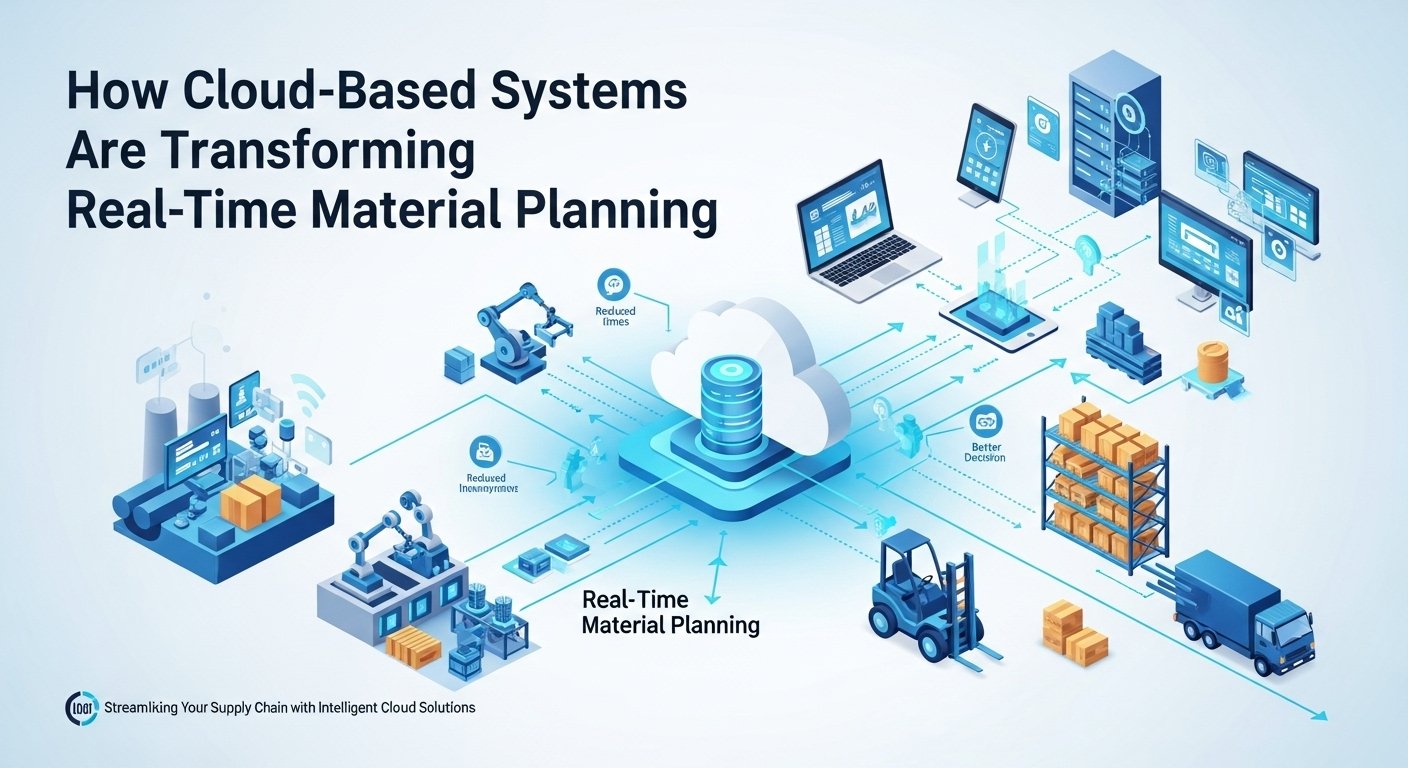
One rising trend is integrating platforms that centralize procurement, warehousing, and logistics. That’s where solutions like procurementnation shipping come in—offering businesses a way to streamline complex, multi-location operations under one roof.
Companies that can digitally link suppliers, warehouses, and carriers gain agility. They spot issues early, adjust routes, and manage costs faster than their competitors.
Freight Costs Are Still a Wild Card
Despite some global stabilization, freight prices remain unpredictable. A container from Asia to the U.S. once cost $2,000—then $20,000—then back to $6,000.
These swings hurt margins and make planning difficult. The solution?
- Diversified suppliers: Don’t rely on a single region or port.
- Flexible contracts: Mix spot and long-term freight agreements.
- Regional hubs: Bring inventory closer to demand centers.
Many companies are also investing in nearshoring, sourcing goods from nearby countries instead of halfway around the world. It’s not just cheaper—it’s faster and more resilient in the face of disruption.
The Rise of Smart Shipping Marketplaces
Traditional freight brokers are being replaced (or upgraded) by digital marketplaces.
One notable example is the rising popularity of independent logistics platforms like money6x .com. These platforms offer transparent freight rates, shipping comparisons, and integrations for eCommerce businesses.
What sets them apart is their tech-first approach. You can:
- Get real-time freight quotes.
- Compare shipping partners.
- Automate order tracking.
- Integrate with inventory systems.
For small and midsize businesses especially, platforms like money6x .com remove barriers to entry in global trade. You no longer need to be a supply chain expert to run a smart logistics operation.
Procurement + Logistics = One Unified Strategy
Historically, procurement and logistics were separate departments. Procurement sourced the goods. Logistics figured out how to move them.
But that siloed approach no longer works.
A supplier with a cheaper quote but longer lead time may cost more overall due to shipping delays, storage fees, or missed sales. Smart businesses are connecting the dots—viewing procurement and logistics as one ecosystem.
That’s where platforms like procurementnation shipping excel. They align supplier management with transport optimization. This creates a closed-loop system where every decision—from vendor choice to delivery mode—is made with the full cost and timeline in view.
Sustainability Is Now a Shipping Requirement
Customers care how you deliver, not just what you deliver.
Sustainable shipping is becoming a differentiator. From carbon-neutral delivery options to recyclable packaging, the environmental impact of logistics is under the spotlight.
Companies like IKEA, Unilever, and Patagonia have set aggressive climate goals that extend deep into their supply chain operations.
Tactics include:
- Using electric or hybrid delivery fleets
- Shipping by sea instead of air when possible
- Optimizing loads to reduce trips
- Partnering with green logistics providers
Sustainability is no longer a “nice to have.” It’s a sales factor—and a brand value.
Customer Expectations Keep Rising
Two-day shipping used to feel fast. Now, it’s the minimum.
Customers expect transparency: tracking links, delivery windows, instant updates. If something’s late, they want to know why—not just when.
Logistics has become a customer experience function.
This means businesses must invest in last-mile tracking tools, responsive support, and proactive communication. Even small improvements—like automated SMS updates or branded tracking pages—can lead to higher satisfaction and fewer support tickets.
If your logistics strategy doesn’t consider the end user, it’s incomplete.
Global Shipping Meets Local Complexity
The global market is bigger than ever. But shipping across borders isn’t just about crossing oceans—it’s about navigating local laws, customs, and compliance.
Each region brings its own challenges:
- Europe: Complex VAT rules and data protection laws
- Asia: Port congestion and variable regulations
- Latin America: Unstable customs processes and limited visibility
- Africa: Infrastructure gaps and delivery delays
This is where third-party logistics (3PL) providers and smart platforms come in. They help businesses expand globally without needing to build local infrastructure from scratch.
Lessons from the Pandemic Supply Chain Crisis
When COVID-19 disrupted global supply chains, many businesses had no backup plan. Those who survived learned the following lessons:
- You need buffer inventory. Just-in-time is risky in volatile times.
- Digital visibility is critical. If you can’t see it, you can’t fix it.
- Diversify everything. Suppliers, regions, transport methods.
- Agility beats size. Big companies suffered when they moved slow.
Post-pandemic, companies are putting greater emphasis on risk management, scenario planning, and supply chain digitization. These are no longer “nice upgrades.” They’re essential infrastructure.
How Data Analytics Is Changing Shipping Decisions
Data is the secret weapon of modern logistics.
The right dashboards can show you:
- Where your delays are happening
- Which carriers are underperforming
- How much buffer time to build in
- Where you’re overpaying for freight
Advanced systems are even using predictive analytics to reroute shipments, flag vendor risk, and optimize packaging.
The future of shipping is proactive, not reactive—and data makes that possible.
The Future: Autonomous, Contactless, and Fully Connected
Looking ahead, the supply chain of the future will be:
- Autonomous: Drones, driverless trucks, robotic warehouses
- Contactless: Smart lockers, QR-based pickups, no-touch delivery
- Connected: IoT devices tracking every item in real time
These trends aren’t distant science fiction. They’re being piloted today.
Amazon is testing drone delivery. FedEx is investing in autonomous delivery vehicles. Walmart is building AI-powered distribution centers.
The pace of innovation is accelerating—and the companies that adapt early will lead.
Conclusion
Whether you’re a fast-scaling brand or an established enterprise, one thing is clear: logistics is no longer just a cost center. It’s a growth driver.
Invest in visibility. Choose the right partners. Make data-informed decisions. And never let your operations fall behind your ambitions.
Platforms like money6x .com are making it easier for small businesses to play on a global stage. Tools like procurementnation shipping are giving enterprises the integration they need to scale efficiently.
The future of business isn’t just about having great products. It’s about getting them to customers—fast, affordably, and reliably.
And that’s a supply chain story worth telling.