




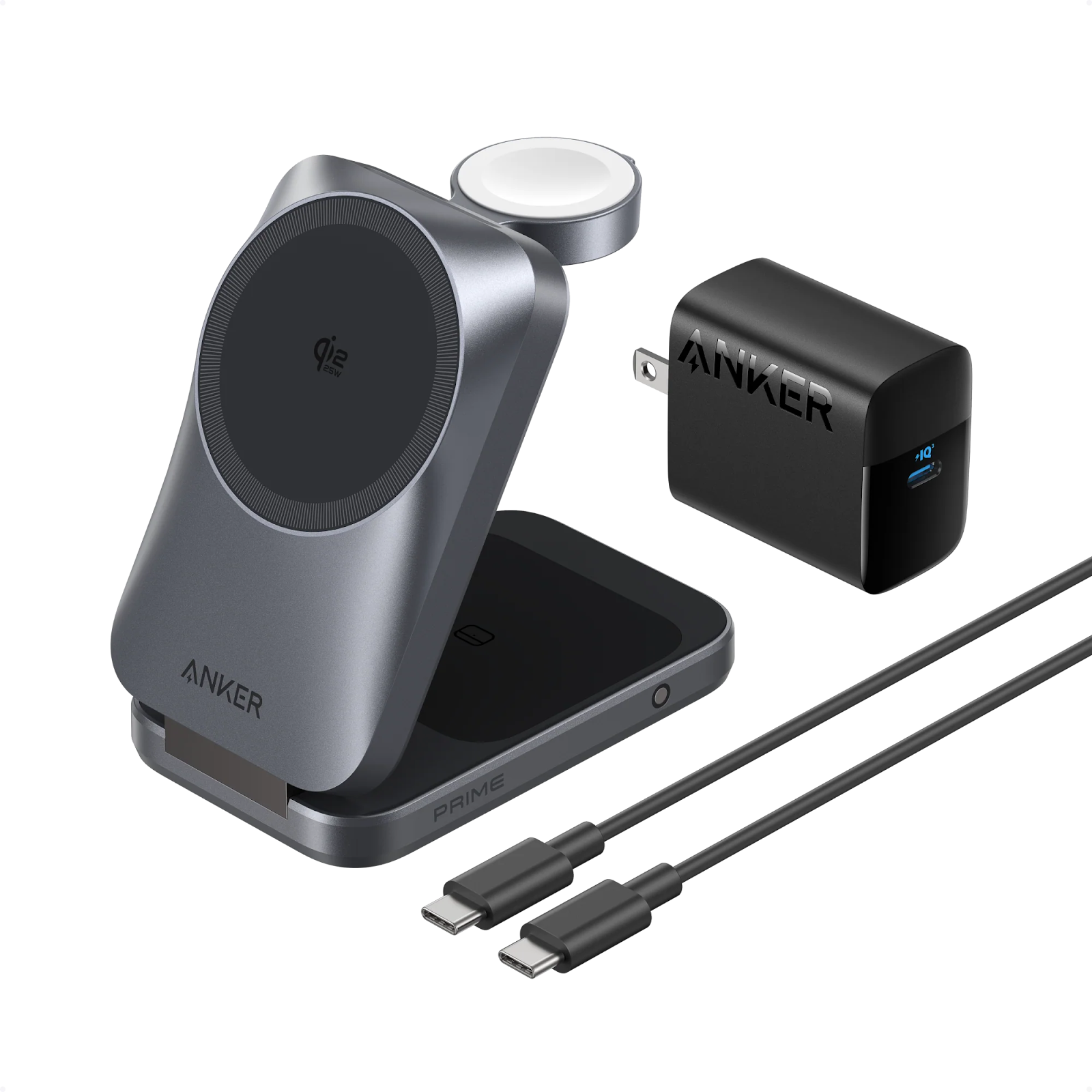
Introduction
A wireless charger has quickly moved from a luxury accessory to an everyday necessity for modern device users. Phones, earbuds, and wearables now support cable-free charging, making daily power top-ups easier and cleaner. As demand grows, more buyers search online to shop wireless chargers that are safe, fast, and durable.
Understanding how each wireless charger works and what features matter most helps you avoid low-quality options. Instead of choosing randomly, smart buyers compare speed, design, and safety systems before they shop wireless chargers for home or office use.
This guide explains the technology, benefits, important features, and buying tips you should know. With the right information, you can choose confidently and get consistent charging performance every day.
What Is a Wireless Charger and How It Works
A wireless charger transfers energy from a charging pad to your device without a plugged cable. It uses induction coils that create a small electromagnetic field. When your phone is placed on the pad, power moves across the gap and charges the battery.
Most charging pads follow shared standards, which means one wireless charger can support multiple compatible devices. This flexibility makes them ideal for households with different gadgets.
When shoppers first shop wireless chargers, they often notice several shapes and layouts. Flat pads, angled stands, and multi-device docks all use the same principle but offer different convenience benefits depending on placement and usage habits.
Because there is no repeated plugging, device charging ports experience less wear. That small advantage can extend the physical lifespan of your phone or earbuds case.
Why Wireless Charging Is So Popular
Convenience is the main reason people switch to a wireless charger. You place your device down, and charging begins immediately. No cable searching, no connector stress, and less desk clutter overall.
Many users shop wireless chargers to create cleaner workspaces and nightstands. One pad can replace several cables and make charging locations more organized and easier to manage.
Modern safety features also improve trust. A well-built wireless charger includes temperature control, surge protection, and foreign object detection. These protections reduce risk and automatically adjust power when needed.
Another benefit is frequent top-up charging. Instead of waiting for a low battery, users can recharge in short sessions during the day. This habit supports steady battery levels and daily convenience.
Important Features to Compare Before Buying
The speed rating should be checked first. Different models output different watt levels. A faster wireless charger can reduce charging time, but only if your device supports that speed level.
Surface grip and build quality are also important. When you shop wireless chargers, choose models with anti-slip coatings and stable bases. Better construction improves alignment and charging consistency.
Heat control design matters more than many buyers realize. A quality wireless charger manages temperature through airflow slots or smart regulation. Lower heat improves efficiency and long-term reliability.
Package contents affect real value. Some products include cables and adapters, while others sell them separately. Included accessories can improve performance and reduce extra cost.
Indicator lights should be visible but soft. Overly bright lights can be distracting in dark rooms, so balanced brightness is a practical feature.
Types of Wireless Chargers Available
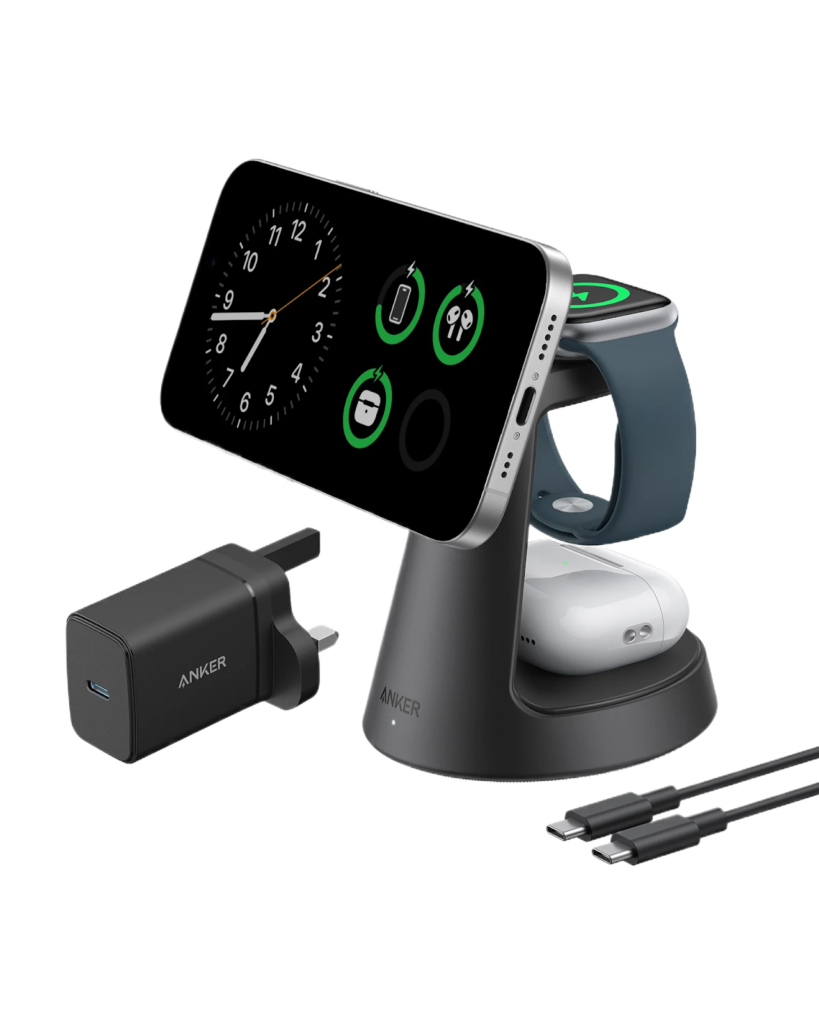
Flat pad models are simple and compact. Users place the phone on top, and charging begins. Many people who shop wireless chargers for the first time select this style because it is affordable and travel-friendly.
Stand models hold the phone upright. This makes them useful for desks and video viewing while charging. A stand-style wireless charger supports productivity and easy screen visibility.
Multi-device stations power several gadgets at once. They are ideal for users with earbuds and watches in addition to a phone. One station replaces multiple charging cables.
Vehicle mounts with charging coils combine navigation support with cable-free power. They are helpful for drivers who need steady battery levels during trips.
Common Buying Mistakes to Avoid
Compatibility is often overlooked. Not every device supports wireless power. Before you shop wireless chargers, confirm that your device includes wireless charging capability.
Choosing only by price is another mistake. Extremely cheap models may lack proper safety components. A poor wireless charger can charge slowly or run hot during use.
Buyers also forget adapter requirements. Some pads need higher-power adapters to reach full speed. Without the correct adapter, results are weaker than expected.
Thick or metal cases can interfere with charging signals. Always review supported case thickness in product details before purchase.
How to Shop Wireless Chargers Smartly
Start with your main usage location. Desk, bedside, and travel setups benefit from different designs. People who shop wireless chargers with a clear use plan usually choose better models.
Compare certifications, warranty length, and material quality. Reliable construction often delivers better long-term value than the lowest price option.
Read user feedback about alignment and heat behavior. A dependable wireless charger should begin charging quickly without repeated repositioning.
Think ahead to future devices. Broad compatibility helps your charger remain useful after upgrades.
Conclusion
A wireless charger delivers convenience, cleaner spaces, and reduced cable wear when chosen carefully. Buyers who shop wireless chargers using feature comparisons instead of impulse decisions get better performance and durability.
Focus on speed support, safety systems, build quality, and correct accessories. With those factors checked, your final choice will provide reliable daily charging and a simpler power routine.