




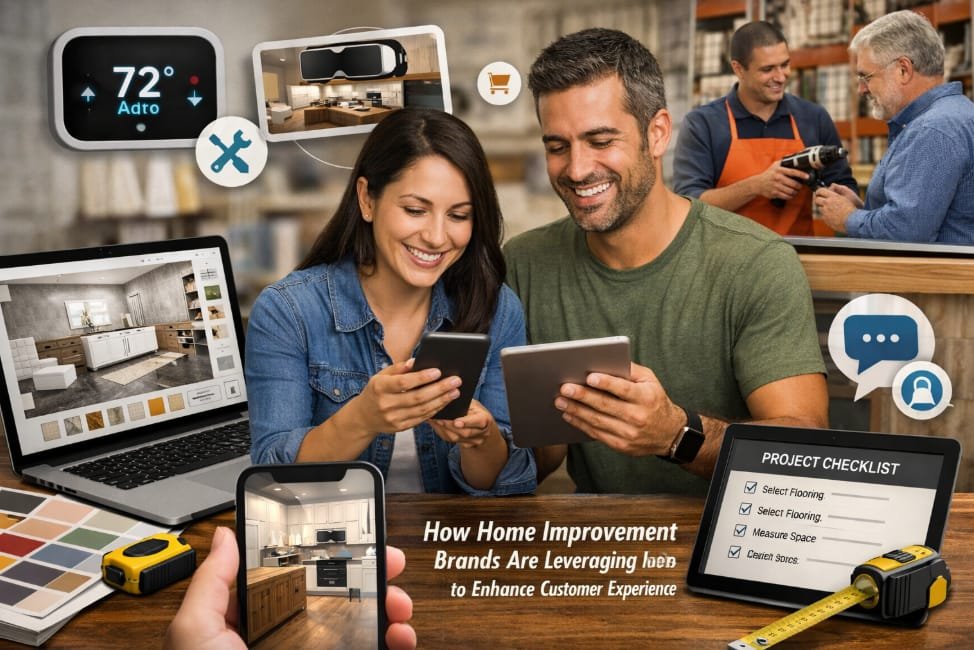
Renovating or improving a home often starts with excitement and quickly turns into uncertainty. Which materials will last? Will the finish look right? Is the budget realistic? For many homeowners, landlords, and even those managing a Property to let bolton, these questions can slow decisions and create hesitation. Today, leading home improvement brands are addressing these pain points by using technology to make the customer journey clearer, faster, and far more reassuring.
Rather than focusing only on products, brands are now designing experiences—ones that guide customers from inspiration to execution with confidence.
The Changing Expectations of Home Improvement Customers
Modern customers arrive informed. They research online, watch tutorials, compare reviews, and expect brands to meet them at this level of preparedness. The traditional model of browsing aisles and hoping for the right advice no longer feels sufficient.
Major retailers such as The Home Depot and Lowe’s have adapted by blending digital tools with physical retail. Their goal is simple: reduce confusion and support better decision-making at every stage.
Website Experiences That Educate and Guide
A home improvement website is now a planning tool, not just a storefront.
Project-Focused Browsing
Instead of forcing users to navigate endless product categories, brands increasingly organize content around real-life projects like kitchen upgrades, bathroom refreshes, or rental property maintenance. This approach reflects how people think and plan, especially landlords preparing a Property to let bolton who need efficient, compliant upgrades.
Intelligent Recommendations
Smart platforms suggest complementary products based on project type, browsing behavior, and past purchases. The result feels less like selling and more like helpful guidance, reducing the risk of missing critical components.
Visualization Tools That Remove Guesswork
One of the biggest barriers in home improvement is not knowing how the final result will look.
Augmented Reality and 3D Viewers
Paint colors, flooring, fixtures, and furniture can now be previewed in real spaces using mobile devices. Customers can visualize scale, color harmony, and layout before buying, which significantly increases confidence and reduces costly returns.
For property owners and investors, these tools are particularly valuable when upgrading rental spaces efficiently and attractively.
Mobile Apps That Support In-Store and At-Home Decisions
Mobile technology has become an essential bridge between digital research and physical shopping.
Smarter In-Store Navigation
Apps now help customers locate exact products, confirm availability, and access detailed specifications instantly. This reduces reliance on staff while speeding up the shopping process.
DIY Guidance on Demand
Step-by-step tutorials, calculators, and safety tips empower users to complete projects independently. Whether it’s fixing a minor issue or refreshing a rental unit, customers feel supported even outside store hours.
Personalization That Feels Practical, Not Intrusive
Personalization in home improvement works best when it is subtle and useful.
Local and Context-Aware Suggestions
Technology allows brands to recommend materials based on climate, building standards, and regional preferences. This is particularly relevant for landlords managing properties in specific areas, ensuring upgrades meet local expectations and regulations.
Smarter Loyalty Programs
Modern loyalty systems remember past projects, preferred brands, and maintenance cycles. This creates a sense of continuity, encouraging repeat visits without aggressive promotions.
Seamless Omnichannel Experiences
Customers expect consistency, whether they are online, on mobile, or in-store.
Flexible Fulfillment Options
Buy online and collect in store, scheduled deliveries, and easy returns have become standard expectations. Behind the scenes, advanced inventory systems ensure accuracy and reliability, especially for bulky or time-sensitive materials.
Unified Customer Support
From online chat to in-store assistance, integrated systems ensure customers receive consistent advice. This continuity builds trust, particularly for high-value renovation decisions.
Smart Products and Post-Purchase Support
Customer experience does not end once the product is purchased.
Connected Home Products
Smart lighting, thermostats, and security systems often include apps that guide installation and ongoing use. Brands that offer clear post-purchase support reduce frustration and increase long-term satisfaction.
Proactive Maintenance and Guidance
Some platforms send reminders for replacements or maintenance based on product usage. For landlords maintaining multiple properties, this proactive support simplifies long-term management.
Conversational Support and Expert Access
Home improvement questions can be technical, but customers still expect fast answers.
Digital Assistants and Live Support
Conversational tools help users compare products, check compatibility, and estimate project costs. When questions become complex, seamless escalation to human experts ensures accuracy and reassurance.
This balance of speed and expertise is critical for maintaining credibility.
Why Experience-Driven Technology Matters
Home improvement decisions carry emotional and financial weight. Mistakes are expensive and stressful. Technology helps reduce this risk by offering clarity, visualization, and timely support.
Brands that invest in customer-focused technology are not just improving conversion rates; they are building long-term relationships. Customers remember who made their renovation, upgrade, or rental preparation process feel manageable and informed.
Conclusion
Technology has reshaped the home improvement industry from a product-centric model into an experience-led one. By focusing on guidance, visualization, and continuity, brands are helping customers make better decisions with greater confidence. These tools are especially valuable for homeowners and landlords who need efficient, reliable outcomes.
As expectations continue to rise, the brands that stand out will be those that use technology thoughtfully—simplifying choices, supporting real needs, and delivering value well beyond the point of sale.
You may also read