



Energy bills in the UK are not going down. For homes and businesses still running on full grid power, every month means another large payment to an energy supplier.
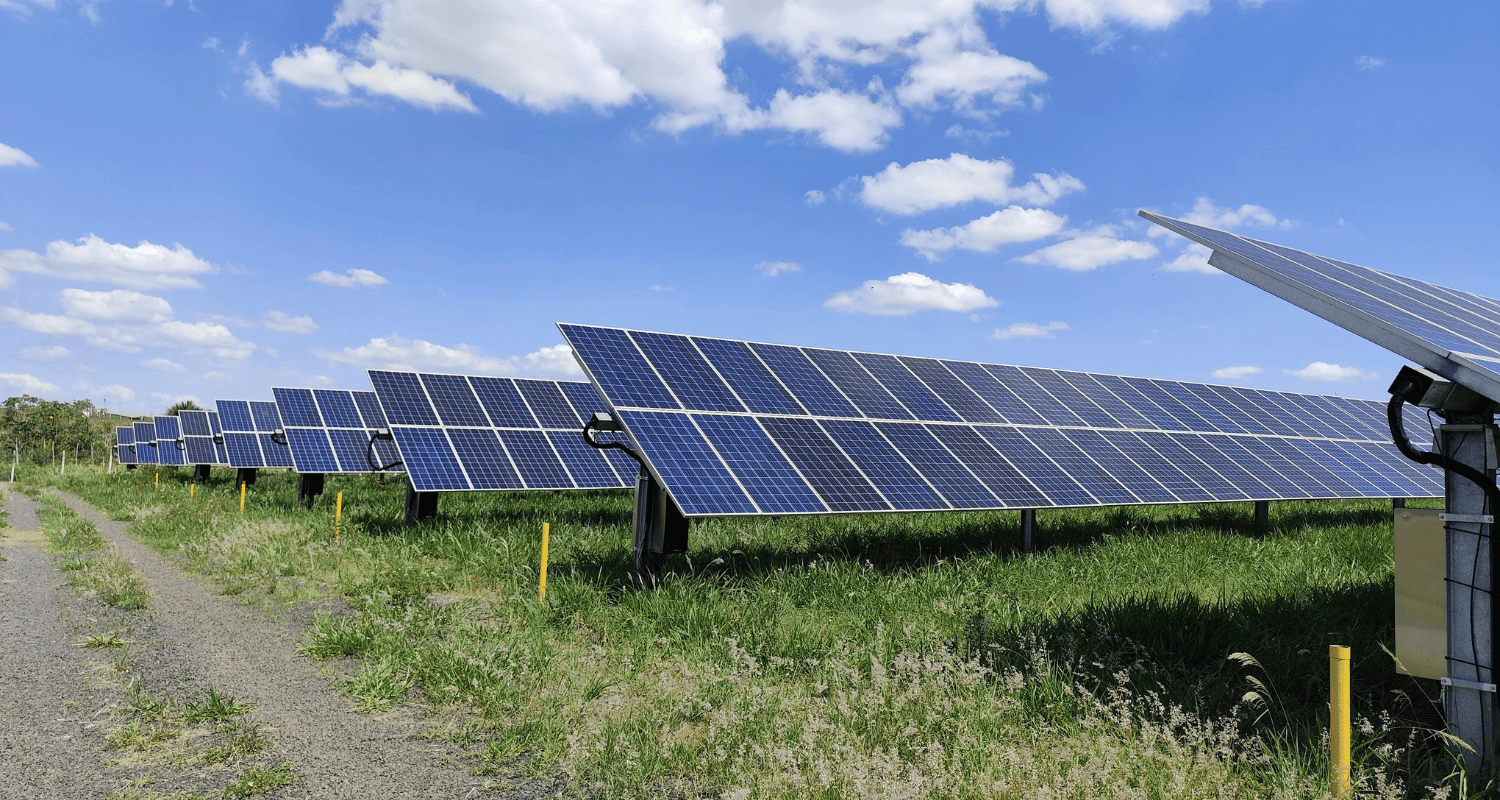
Solar panels offer a direct way out of that. You generate your own electricity on your roof and use it yourself. What you do not use, you can sell back to the grid.
This article covers why more UK property owners are making the switch in 2026, what the installation process actually looks like, and what to check before you commit to a solar company.
The Real Reason Solar Is Growing So Fast Right Now
The maths have changed. Solar panels cost much less than they did five years ago. At the same time, grid electricity prices are far higher than they were before 2021.
That combination means the money you save each year from solar is bigger than it has ever been. Systems that used to take 10 or 12 years to pay back now do it in 6 to 9 years for homes, and as few as 3 to 5 years for businesses.
After that payback point, you are generating electricity at almost zero cost for the life of the system, which is typically 25 years or more.
What a Solar Installation Actually Involves
A lot of people assume installing solar is complex and disruptive. In practice, for most homes it takes one to two days. For commercial buildings it takes longer depending on the size, but a good installer handles all the paperwork and grid applications for you.
Here is what a full installation covers:
- A site survey to check your roof, shading, and electricity usage
- A system design with predicted annual generation in kWh
- Grid connection applications and DNO notifications
- Panel and inverter installation by certified engineers
- Setup of a monitoring app so you can track your output in real time
Who Is Installing Solar Across the East Midlands
Not all solar companies are the same. Some focus only on quick domestic installs. Others specialise in larger commercial work. Finding one that does both well, with a long track record, makes a real difference.
Spectrum Energy Systems is a Nottingham-based installer that has been operating since 2011. With over 10 MW of solar installed across homes and businesses in Nottinghamshire, Derbyshire, Lincolnshire, and Leicestershire, they have a strong local reputation built on actual results.
They are MCS certified, which matters because without MCS certification you cannot claim the Smart Export Guarantee (SEG). That is the government scheme that pays you for the surplus electricity your panels export to the grid. Any installer you consider should hold this accreditation as a minimum.
Battery Storage and EV Charging: Getting More From Solar
Solar panels generate power during the day. Most people and businesses use more power in the morning and evening. A battery bridges that gap.
You store the surplus your panels produce at midday and pull it back out when the sun goes down. A well-sized battery can significantly cut how much grid electricity you buy.
If you own an electric vehicle, a smart charger adds another layer of savings. You can set it to charge your car only when your panels are producing more power than your home or business is using. On a good sunny day, that can mean a full charge at almost no cost.
For businesses, offering EV charging to staff or customers is also becoming a competitive advantage. It is something employees and visitors notice.
Why Businesses in Particular Cannot Afford to Wait
For a business, electricity is not just a household bill. It is a running cost that directly affects profit margins. A factory, warehouse, or office block that runs through the day is using power constantly.
The companies that are winning on energy costs right now are the ones that moved early. As covered in this piece on how UK businesses are cutting energy costs with solar, companies across Britain are installing panels to take control of their electricity bills rather than staying at the mercy of rising tariffs.
The longer a business stays on full grid power, the more money goes out the door. Every month of delay is a month of savings missed.
What Good Commercial Solar Looks Like in Practice
Commercial solar is not the same as putting a few panels on a house. Business buildings are larger, the electrical loads are bigger, and the grid rules are stricter.
A proper commercial solar panel installation includes yield modelling, structural roof checks, G99 or G100 grid applications, and export arrangement setup. It also needs to be designed around how the business actually uses power, not just based on roof space.
Real-world results from commercial installs show what is possible. One Nottingham business cut its electricity bill by 36% with a 35 kW system. Another reduced energy costs by 82% with a 67 kW array. These are not projections. They are actual outcomes from completed projects.
Local grant funding is also worth looking into. Nottinghamshire has active decarbonisation grant programmes that eligible businesses can apply for. A good installer will flag these before you sign a contract.
Five Things to Check Before You Choose a Solar Installer
- MCS certification.
This is non-negotiable. Without it you cannot claim SEG payments or access most grant schemes.
- A real proposal with actual numbers.
Your quote should show predicted kWh generation per year, estimated savings, and a payback calculation based on your actual usage.
- Track record of completed projects.
Ask to see case studies. Real installs with real numbers tell you more than any brochure.
- Full-service delivery.
Your installer should handle the survey, design, grid applications, installation, and aftercare. If they hand off any of those steps to a third party, find out who and why.
- Aftercare and monitoring support.
A system that is not monitored can underperform for months before anyone notices. Make sure your installer provides remote monitoring and is responsive if something goes wrong.
The Bottom Line
Solar in 2026 is not a niche product for people who care about the environment. It is a financial decision that makes sense for a wide range of UK homes and businesses.
The technology is reliable. The payback periods are short. And the installers who have been doing this for over a decade know exactly how to make a system work for your specific property and usage pattern.
If you are in the East Midlands, getting a free feasibility assessment is a sensible first step. It costs nothing and gives you real numbers to work with.
For up to date data on UK solar capacity, government targets, and energy statistics, the Office of Gas and Electricity Markets (Ofgem) publishes regular reports on energy pricing and the Smart Export Guarantee scheme that all solar owners can access.