
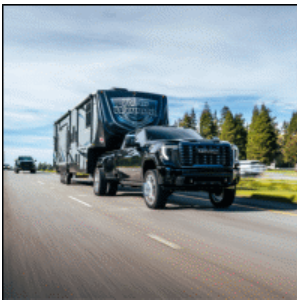
The kingpin is a deceptively simple yet critical steel component in heavy-duty fifth wheel towing systems, acting as the sole connection and pivot point between truck and trailer, vital for even weight distribution, stability, and smooth articulation. Its integrity is paramount, requiring manufacture from heat-treated alloy steel to stringent international standards (DIN 74080, SAE J700, ISO 337) to withstand immense stress, and demanding regular inspection, lubrication, and timely replacement to ensure safety, minimize wear, and guarantee compatibility for a reliable and efficient towing experience.
The Small Part That Holds Everything Together
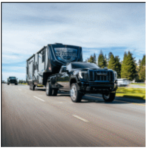
In heavy-duty towing systems of a fifth wheel hitch, even the smallest component plays a crucial role, but few are as vital as the kingpin. This steel part seems simple, but it’s the only point connecting the trailer to the 5th wheel hitch. However, a poorly manufactured part can significantly compromise the entire system. Understanding why kingpins are so important ensures a safe and trouble-free journey. Otherwise, be prepared for unpleasant surprises along the way. In this article, we’ll explore more about kingpins.
How Kingpins Work: The Physics Behind the Hitch
The kingpin acts as a pivot point where the trailer and truck become one. When the jaws of the fifth wheel hitch lock, it ensures smooth articulation during turns. It distributes the weight evenly across the truck’s rear axle. This arrangement minimizes sway during turns. The kingpin must be durable, even under sudden braking and strong side winds. Therefore, it is manufactured from hardened steel. In short, it must maintain its shape under all conditions and prevent the jaw from slipping.
Material Strength and Manufacturing Standards
When it comes to kingpins, not all metals are equal. This means that not all metals should be manufactured. High-quality kingpins must withstand repeated stress, weathering, and torque. Therefore, they are forged from heat-treated alloy steel. In contrast, kingpins made from less durable materials can quickly crack and corrode.
The standards for this quality are specified in DIN 74080, SAE J700, and ISO 337. Surface quality, hardness, dimensions, and compatibility requirements must meet these standards. Certified products are rigorously tested against all conditions. It is vital to use only certified products. While low-quality kingpins that do not meet the standards may initially help with financial costs, they can lead to road accidents and thousands of dollars in long-term problems. Therefore, when purchasing a 5th wheel hitch, you should prioritize certification and compliance with the standards.
Inspection and Maintenance for Safety
Even the strongest fifth wheel hitch’s kingpin can fail if neglected. Regular maintenance is essential to ensure towing safety. A simple inspection can reveal cracks, breaks, rust, or other issues where the kingpin and 5th wheel hitch meet. These problems may indicate metal fatigue, which means it’s time for replacement.
Lubrication plays a crucial role in extending the life of the kingpin. High-quality grease or dry graphite lubricant will help. Use calipers or a kingpin measuring device during maintenance. If the kingpin diameter falls below the manufacturer’s specified tolerance, the part should be replaced.
Regular maintenance improves performance and prevents unfortunate incidents down the road. A well-maintained kingpin protects you, your vehicle, and everyone on the road.
Compatibility: Why Precision Matters?
When it comes to kingpins in a fifth wheel hitch, precision is everything. For a safe and stable ride, the kingpin must work in perfect harmony with the jaws. Even the slightest deviation in size or angle can cause uneven pressure, premature wear, or failure of the hitch. Therefore, it’s important to understand the 1.3-8.3 inch diameter standards for heavy-duty towing vehicles.
Mismatched parts directly affect ride quality. For example, a loose fit can create a gap between the trailer and the truck, causing jerky movements. The opposite is also problem. An overly tight connection can strain both the hitch and the trailer chassis.
Proper connection and fit aren’t just about functionality; as we always say, they’re also about safety, durability, and operation. Compatibility makes every mile more efficient and safe.
Material and Design Innovations in Modern Kingpins
Modern kingpins can be considered evolutions from the earliest kingpins. Strength, corrosion resistance, and load distribution are prioritized, especially for heavy-duty towing. Heat-treated alloy steels are the most suitable materials for this.
Zinc or chrome coatings can be used to protect against moisture, salt, and dirt. This extends the life of the 5th wheel hitch kingpin and reduces maintenance costs.
Another advancement is the development of CNC machines, which allow for better dimensional tolerances for each kingpin, while induction hardening ensures optimal performance.
In Conclusion:
In fifth wheel hitch and heavy-duty towing, a strong kingpin means reliable efficiency and longevity. This is too delicate a matter to leave to chance. Whether you own a vehicle yourself or have a fleet, remember that it’s a matter of careful consideration.