



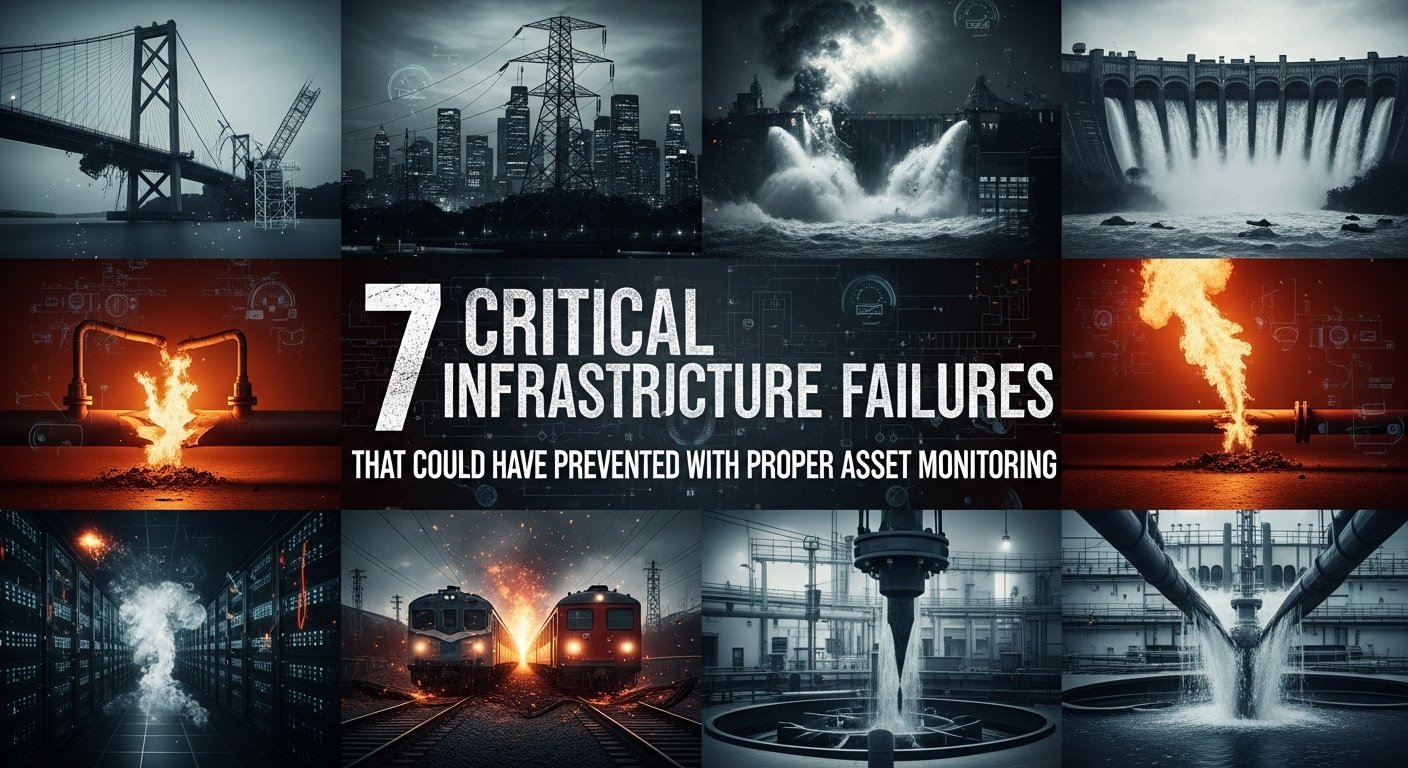
Infrastructure failures across industries continue to generate substantial operational disruptions, financial losses, and safety risks that could be mitigated through systematic monitoring approaches. From power generation facilities to manufacturing plants and transportation networks, equipment breakdowns often follow predictable patterns of degradation that remain invisible without continuous oversight. The distinction between reactive maintenance and proactive asset management has become increasingly clear as organizations face mounting pressure to maintain operational continuity while managing complex, interconnected systems.
Modern industrial operations depend on equipment that operates under demanding conditions, where minor deviations in performance can escalate into major failures. The cost of unplanned downtime extends beyond immediate repair expenses to include lost production, regulatory compliance issues, and potential safety incidents. Understanding how major infrastructure failures develop and recognizing the warning signs that precede them provides valuable insight into building more resilient operational frameworks.
The Texas Power Grid Winter Storm Failure
The February 2021 winter storm that crippled Texas power infrastructure demonstrated how equipment monitoring gaps can amplify natural disasters into systemic failures. Power generation facilities across the state experienced equipment freezing, pipe bursts, and instrumentation failures that left millions without electricity for days. A comprehensive Critical Asset Monitoring Solution guide would have addressed many of the underlying vulnerabilities that transformed a severe weather event into a grid-wide catastrophe.
The crisis revealed that many power plants lacked adequate monitoring of critical components under extreme temperature conditions. Natural gas facilities suffered frozen wellheads and processing equipment, while wind turbines shut down due to iced blades and mechanical components. Coal and nuclear plants experienced frozen pipes and failed instrumentation systems that prevented safe operation during peak demand periods.
Equipment Winterization Monitoring Gaps
Power generation facilities had insufficient real-time monitoring of temperature-sensitive components, making it impossible to identify vulnerable systems before they failed. Critical asset monitoring solution implementations could have provided early warning systems for pipe freeze conditions, equipment temperature thresholds, and mechanical stress indicators that preceded major breakdowns.
The lack of comprehensive monitoring meant operators could not differentiate between temporary operational adjustments and impending equipment failures. This created a cascade effect where individual component failures progressively disabled entire generation units, reducing available power capacity precisely when demand reached its highest levels.
Grid Interconnection Visibility Issues
The power grid’s interconnected nature requires monitoring systems that track equipment performance across multiple facilities and transmission networks. Individual power plants operated with limited visibility into system-wide conditions, preventing coordinated responses to widespread equipment degradation. Proper asset monitoring would have enabled grid operators to identify capacity constraints and equipment limitations before they became critical bottlenecks.
The Flint Water Crisis Infrastructure Breakdown
Flint, Michigan’s water system crisis stemmed from unmonitored corrosion in aging distribution pipes that contaminated drinking water with lead and bacteria. The infrastructure failure began with a decision to change water sources without adequate monitoring of how different water chemistry would interact with existing pipe materials and treatment systems.
Water treatment facilities and distribution networks require continuous monitoring of chemical composition, flow rates, pressure levels, and pipe integrity to maintain safe drinking water standards. The Flint situation developed because operators lacked real-time visibility into corrosion rates and water quality changes throughout the distribution system.
Distribution System Degradation
Aging water pipes experienced accelerated corrosion when exposed to different water chemistry, but without comprehensive monitoring, this degradation remained invisible until contamination reached dangerous levels. Critical asset monitoring systems could have tracked pipe wall thickness, corrosion rates, and water quality parameters that indicated infrastructure compromise.
The crisis demonstrated how water system failures develop gradually through equipment degradation that affects public health and safety. Proper monitoring would have identified corrosion patterns and water quality trends that preceded the contamination crisis, enabling corrective action before widespread exposure occurred.
Treatment System Optimization Failures
Water treatment equipment requires precise monitoring of chemical dosing systems, filtration performance, and disinfection effectiveness to maintain water quality standards. Flint’s treatment systems lacked adequate monitoring of corrosion control measures, preventing operators from recognizing when protective treatments became insufficient for the new water source.
The Deepwater Horizon Offshore Platform Disaster
The 2010 Deepwater Horizon oil rig explosion resulted from multiple equipment monitoring failures that allowed dangerous conditions to develop undetected. The disaster highlighted how complex industrial operations require integrated monitoring systems that track equipment performance, process conditions, and safety parameters simultaneously.
Offshore drilling platforms operate in harsh environments where equipment degradation and process deviations can quickly escalate into catastrophic failures. The Deepwater Horizon incident involved blowout preventer malfunctions, cement barrier failures, and gas detection system inadequacies that collectively created conditions for the explosion and oil spill.
Blowout Preventer Monitoring Deficiencies
Critical safety equipment like blowout preventers requires continuous monitoring of hydraulic pressure, mechanical integrity, and control system functionality. The Deepwater Horizon investigation revealed monitoring gaps that prevented operators from recognizing blowout preventer degradation and control system failures that compromised well safety.
Proper asset monitoring would have tracked hydraulic system performance, mechanical wear patterns, and control system responsiveness that indicated equipment reliability issues. These monitoring capabilities could have identified blowout preventer problems before they became critical safety vulnerabilities during well operations.
Process Safety Monitoring Integration
Offshore platforms require integrated monitoring systems that correlate equipment performance with process safety indicators and environmental conditions. The disaster demonstrated how isolated monitoring approaches can miss systemic risks that develop across multiple interconnected systems and safety barriers.
The Interstate 35W Bridge Collapse
The 2007 collapse of the Interstate 35W bridge in Minneapolis resulted from structural fatigue that developed over years without adequate monitoring of critical load-bearing components. The tragedy demonstrated how transportation infrastructure requires systematic monitoring of structural integrity, material fatigue, and load distribution patterns to prevent catastrophic failures.
Bridge structures experience continuous stress from traffic loads, weather exposure, and material aging that gradually reduces structural capacity. The Interstate 35W collapse occurred when gusset plates failed under normal traffic conditions, indicating that structural degradation had progressed beyond safe operating limits without detection.
Structural Health Monitoring Gaps
Bridge infrastructure requires monitoring systems that track structural deformation, material stress levels, and fatigue crack development in critical components. The Interstate 35W bridge lacked real-time monitoring of gusset plate stress concentrations and structural load distribution patterns that could have indicated approaching failure conditions.
According to the National Transportation Safety Board, proper structural monitoring would have identified load redistribution patterns and stress concentration areas that preceded the gusset plate failures. This monitoring capability could have enabled load restrictions or structural reinforcement before the collapse occurred.
Load Capacity Assessment Challenges
Transportation infrastructure operates under variable loading conditions that require continuous assessment of structural capacity relative to actual usage patterns. Bridge monitoring systems should track load distribution, traffic patterns, and structural response characteristics that indicate when usage approaches or exceeds design limitations.
The Colonial Pipeline Cyberattack Shutdown
The 2021 cyberattack on Colonial Pipeline forced a six-day shutdown of the largest fuel pipeline system in the United States, disrupting gasoline and jet fuel supplies across the Eastern seaboard. While the attack targeted information technology systems rather than physical infrastructure, the incident revealed monitoring gaps that prevented rapid system restoration and fuel supply continuity.
Pipeline operations depend on integrated control systems that monitor flow rates, pressure levels, pump performance, and safety parameters across thousands of miles of infrastructure. The Colonial Pipeline shutdown demonstrated how cybersecurity incidents can disable monitoring capabilities and prevent operators from safely managing physical assets during crisis situations.
Operational Technology Security Monitoring
Pipeline infrastructure requires monitoring systems that maintain visibility into physical operations while protecting against cyber threats that could compromise safety or operational continuity. The Colonial Pipeline incident showed how cyberattacks can disable monitoring capabilities and create operational blind spots that prevent safe system restart procedures.
Critical asset monitoring systems must maintain operational visibility even when information technology networks experience security incidents or forced shutdowns. This separation ensures that physical infrastructure monitoring continues during cyber incidents, enabling faster recovery and restoration of normal operations.
Supply Chain Continuity Monitoring
Energy infrastructure operates as part of interconnected supply chains that require monitoring of inventory levels, distribution capacity, and alternative supply routes during operational disruptions. The Colonial Pipeline shutdown created fuel shortages because monitoring systems could not rapidly identify alternative distribution methods or inventory reallocation strategies.
The Fukushima Nuclear Plant Cooling System Failures
The 2011 Fukushima Daiichi nuclear disaster resulted from cooling system failures that followed the tsunami, but inadequate monitoring of backup power systems and cooling equipment contributed to the severity of the incident. Nuclear facilities require redundant monitoring systems that maintain visibility into critical safety systems under extreme emergency conditions.
The disaster demonstrated how complex industrial facilities need monitoring systems that function independently of primary power sources and communication networks during natural disasters or other extreme events. Fukushima’s cooling systems failed when monitoring and control capabilities were compromised by flooding and power loss.
Emergency Power System Monitoring
Critical facilities require monitoring of backup power systems, including diesel generators, battery systems, and emergency cooling equipment that must function during primary system failures. Fukushima’s emergency systems lacked adequate monitoring of fuel levels, cooling water availability, and generator performance under flood conditions.
Proper emergency system monitoring would have provided real-time visibility into backup power capacity, cooling system performance, and equipment functionality that remained available during the crisis. This monitoring capability could have enabled more effective emergency response and prevented some of the cooling system failures that led to reactor meltdowns.
Severe Accident Monitoring Capabilities
Nuclear facilities require monitoring systems designed to function during severe accidents when normal instrumentation and control systems may be compromised. Fukushima highlighted the need for hardened monitoring equipment that maintains visibility into reactor conditions and safety system performance under extreme circumstances.
The Miami Champlain Towers Structural Failure
The 2021 collapse of Champlain Towers South condominium in Surfside, Florida, resulted from progressive structural deterioration that developed over decades without comprehensive monitoring of critical building components. The tragedy highlighted how aging building infrastructure requires systematic monitoring of concrete integrity, steel reinforcement condition, and foundation stability to prevent catastrophic failures.
High-rise buildings experience continuous stress from wind loads, ground settlement, and material degradation that gradually reduces structural capacity. The Champlain Towers collapse occurred suddenly, but engineering investigations revealed extensive concrete deterioration and steel corrosion that had compromised structural integrity over many years.
Concrete and Steel Deterioration Monitoring
Building structures require monitoring systems that track concrete carbonation, steel corrosion rates, and structural crack development in critical load-bearing elements. Champlain Towers lacked real-time monitoring of concrete spalling, reinforcement corrosion, and structural deformation patterns that indicated progressive failure of support columns and floor connections.
Comprehensive structural monitoring would have identified concrete deterioration rates and corrosion patterns that preceded the building collapse. This monitoring capability could have enabled structural repairs and load redistributions that addressed critical weaknesses before they compromised overall building stability.
Foundation and Ground Movement Assessment
Building infrastructure requires monitoring of foundation settlement, ground movement, and structural alignment changes that can indicate developing stability problems. Proper monitoring systems track foundation performance and building deformation patterns that reveal when structural loads exceed design capacity or foundation conditions change.
Conclusion
These infrastructure failures demonstrate recurring patterns of equipment degradation and system vulnerabilities that develop gradually before manifesting as catastrophic events. Each case reveals how comprehensive asset monitoring could have provided early warning capabilities that enabled preventive actions rather than reactive crisis management.
The common thread across these failures involves monitoring gaps that prevented operators from recognizing critical conditions before they became irreversible. Whether dealing with power generation equipment, water distribution systems, transportation infrastructure, or building structures, systematic monitoring provides the visibility needed to maintain operational reliability and prevent catastrophic failures.
Organizations managing critical infrastructure can learn from these failures by implementing monitoring approaches that address the specific vulnerabilities demonstrated in each case. The investment in comprehensive asset monitoring systems represents a small fraction of the costs associated with major infrastructure failures and their long-term consequences for public safety and economic stability.