



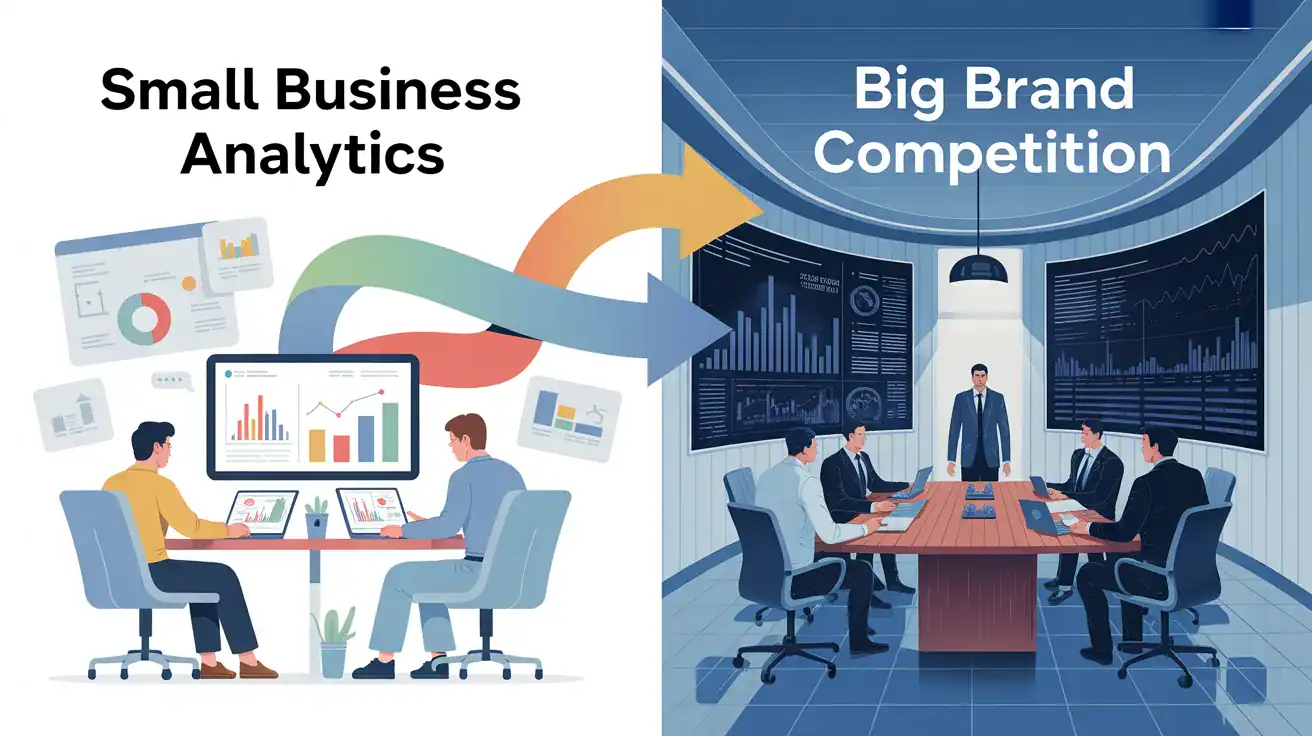
In today’s digital economy, businesses rely heavily on information to make smarter decisions. Data analytics has become a powerful tool that allows companies to analyze trends, understand customer behavior, and improve their operations. While large corporations traditionally had access to extensive research resources, modern analytics tools have made it possible for small businesses to benefit from data-driven strategies as well.
Readers of platforms like Prime Journal often explore topics related to business innovation, technology, and digital transformation. One of the most important developments in modern entrepreneurship is how small businesses use data analytics to compete with larger brands at refrigeration houston.
This article explains what data analytics is, why it matters for small businesses, and how entrepreneurs can use it to make informed decisions and improve their competitive position.
What Is Data Analytics in Business?
Data analytics is the process of collecting, organizing, and interpreting data to uncover patterns, trends, and insights. Businesses gather information from multiple sources such as website traffic, sales transactions, social media engagement, and customer feedback.
Using specialized software tools, companies can transform raw data into meaningful insights that guide strategic decisions.
For example, platforms like Google Analytics allow businesses to track website visitors, analyze user behavior, and evaluate the effectiveness of marketing campaigns. Other analytics tools such as Microsoft Power BI and Tableau help organizations visualize complex data through dashboards and reports.
By understanding what the data reveals, companies can make improvements that lead to better performance and stronger customer relationships.
Why Data Analytics Is Important for Small Businesses
Small businesses often operate with limited resources compared to larger corporations. However, data analytics can level the playing field by providing insights that support smarter decisions.
Here are several reasons why analytics is important for small companies.
Better Understanding of Customers
Data analytics helps businesses learn about customer preferences, purchasing habits, and demographics. This knowledge enables companies to tailor their products and services to meet specific customer needs.
Improved Marketing Efficiency
Analytics tools allow businesses to track marketing campaigns and determine which strategies produce the best results. Instead of spending money on ineffective advertisements, companies can focus on channels that generate higher engagement and conversions.
Data-Driven Decision Making
Entrepreneurs can rely on factual information rather than assumptions. Data-driven decisions reduce risks and increase the likelihood of success.
Competitive Advantage
When small businesses use data strategically, they can identify opportunities that larger competitors might overlook. This advantage can help them grow faster and build stronger customer loyalty.
Key Ways Small Businesses Use Data Analytics
Data analytics can support many aspects of business operations. Below are several common ways small businesses apply analytics to remain competitive.
Customer Behavior Analysis
Understanding how customers interact with products and services is essential for business success. Analytics tools allow companies to track user activity on websites, apps, and digital platforms.
For example, businesses can analyze:
- Which products receive the most attention
- How customers navigate a website
- Which pages lead to purchases
By studying these patterns, businesses can improve their website design, product placement, and customer experience.
Targeted Marketing Campaigns
Digital marketing has become highly data-driven. Small businesses can use analytics to identify their most valuable audiences and tailor marketing campaigns accordingly.
For instance, a company may analyze data from search engines and social media platforms to determine which demographics respond best to certain advertisements. This approach increases the efficiency of marketing budgets and improves return on investment.
Even traditional service industries have begun using analytics to better understand their markets. A company specializing in refrigeration houston services, for example, can analyze search data, customer inquiries, and seasonal demand patterns to identify when businesses most frequently require maintenance or installation services.
Personalization and Customer Engagement
Customers increasingly expect personalized experiences when interacting with brands. Data analytics allows businesses to customize their communication and offers based on individual preferences.
Examples include:
- Personalized email promotions
- Product recommendations based on previous purchases
- Customized website experiences
Major companies such as Amazon have popularized personalized recommendations, but smaller businesses can now adopt similar strategies through affordable analytics platforms.
Product Development Insights
Analytics also helps businesses improve their products and services. By analyzing customer feedback, online reviews, and purchasing trends, companies can identify areas for improvement.
For example, a service provider like valderrama refrigeration could examine customer feedback and service requests to determine which types of refrigeration systems require the most maintenance. These insights allow the company to offer better solutions and more efficient services to clients.
Inventory and Demand Forecasting
Managing inventory efficiently is a challenge for many small businesses. Data analytics can help predict demand by examining historical sales patterns and seasonal trends.
Businesses can use these insights to maintain optimal inventory levels, reducing storage costs while ensuring that popular products remain available for customers.
For companies operating in specialized industries such as refrigeration, analyzing seasonal demand—such as increased service requests during warmer months—can significantly improve operational planning.
Popular Data Analytics Tools for Small Businesses
Modern technology has made data analytics accessible to organizations of all sizes. Several tools provide powerful insights while remaining user-friendly and affordable.
Google Analytics
A widely used web analytics platform that tracks website performance, visitor behavior, and marketing results.
Microsoft Power BI
A business intelligence tool that enables companies to visualize data and create interactive dashboards.
Tableau
Known for its advanced visualization features, Tableau helps businesses transform large datasets into clear and actionable insights.
HubSpot
HubSpot integrates marketing analytics with customer relationship management, making it easier to track leads and sales.
These platforms empower entrepreneurs to gain valuable insights without requiring extensive technical expertise.
Challenges of Implementing Data Analytics
Although data analytics offers many advantages, small businesses may encounter certain challenges when adopting these tools.
Limited Technical Skills
Some business owners may find analytics software difficult to use initially. Training and education can help overcome this obstacle.
Data Overload
Collecting too much information without a clear strategy can lead to confusion. Businesses should focus on metrics that align with their goals.
Data Privacy Concerns
Organizations must ensure that customer data is protected and used responsibly. Following privacy regulations and implementing secure systems is essential.
Addressing these challenges allows businesses to maximize the benefits of analytics while maintaining trust with customers.
The Future of Data Analytics for Small Businesses
Data analytics continues to evolve as technology advances. Emerging innovations such as artificial intelligence and machine learning are making analytics even more powerful.
In the coming years, small businesses will likely benefit from:
- Predictive analytics that forecasts market trends
- AI-powered marketing recommendations
- Automated data analysis tools
- Real-time customer insights
These technologies will further empower entrepreneurs to make informed decisions and compete effectively in global markets.
Conclusion
Data analytics has transformed how businesses operate in the modern digital economy. By collecting and analyzing data, small companies can better understand their customers, improve marketing strategies, and optimize operations.
What once required large research departments is now accessible through affordable software and digital tools. As a result, small businesses can compete with larger brands by leveraging insights and making informed decisions.
Readers and professionals who follow insights from platforms like Prime Journal understand that innovation and technology play a vital role in business success. Embracing data analytics is one of the most effective ways for small businesses to grow, adapt, and thrive in an increasingly competitive marketplace.