


In the past, producing professional videos required a complex workflow involving scripting, shooting, editing, and multiple rounds of revisions. Today, the rise of ai video maker has significantly changed how creators approach video production. Instead of starting with cameras and complicated editing timelines, many creators now begin with ideas written in text form and convert them into videos using intelligent automation tools. This shift is particularly valuable for marketers, educators, and social media creators who need to produce high-quality content quickly.
However, simply having access to AI technology does not automatically result in good videos. The real value lies in understanding how to integrate AI tools into a thoughtful creative process. Below are several strategies used by professional editors and content teams to turn text-based ideas into engaging video content.
Start with a Clear Narrative Structure
One of the most common mistakes beginners make when experimenting with AI video tools is starting without a clear story structure. Even if an AI system can generate visuals automatically, it still relies on the clarity of the input.
Experienced creators often begin with a short script that outlines three essential elements:
• A strong opening hook
• A concise explanation or story arc
• A memorable takeaway or conclusion
For example, a short educational video might follow a simple format:
- Introduce a problem viewers commonly face
- Provide a quick explanation or demonstration
- Summarize the key insight
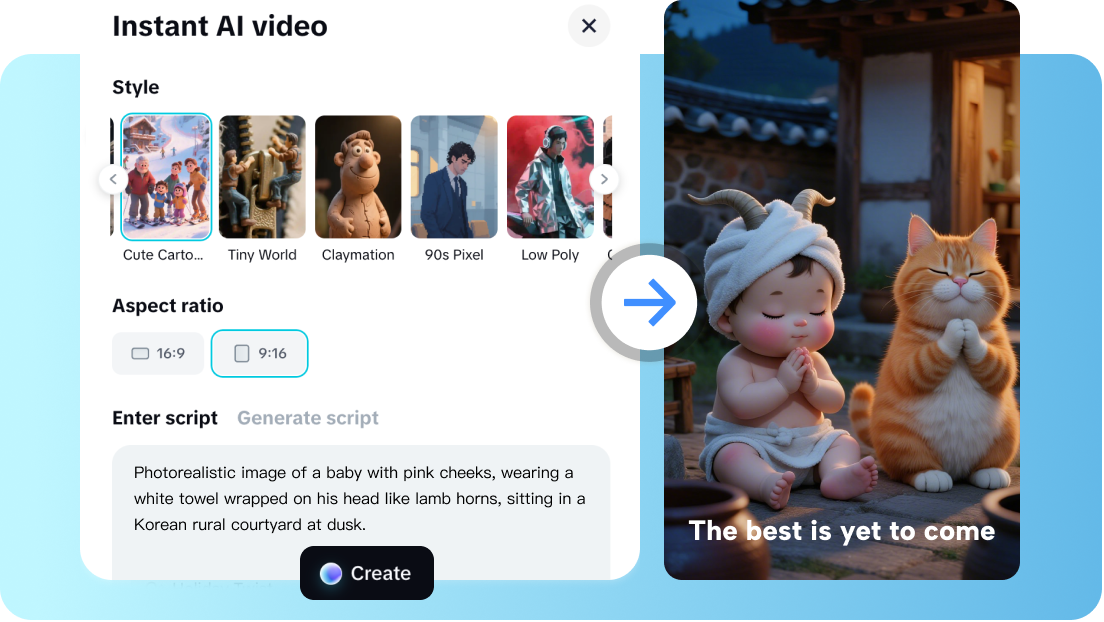
Once the narrative is defined, the text becomes a foundation for video generation. Many creators use an ai video maker such as ai video maker to transform structured text into visuals, voiceovers, and scene transitions. Instead of building everything manually, the AI interprets the script and generates a draft video that can then be refined.
The key insight here is that AI accelerates production, but clarity of storytelling still determines whether the final video feels meaningful.
Transform Text into Visual Scenes
Turning written content into visuals requires more than simply pasting text into a tool. Professional creators think carefully about how each sentence can translate into a visual moment.
A practical workflow looks like this:
Step 1: Break the script into short scene units.
Each scene should ideally communicate a single idea.
Step 2: Assign visual context to each scene.
For example, if the text describes “a creator struggling with editing,” the visuals might include laptop editing footage, timeline interfaces, or creative brainstorming scenes.
Step 3: Use AI generation to create the first visual draft.
This is where a free ai video generator from text such as free ai video generator from text can simplify the process. Instead of manually sourcing footage or building animations frame by frame, the system automatically interprets the script and proposes matching scenes.
Editors then refine these results by adjusting timing, replacing clips, or modifying transitions. The result is a collaborative workflow where AI provides the initial visual structure while the creator maintains creative direction.
Balance Automation with Human Editing
While AI tools can assemble scenes quickly, human judgment is still essential for pacing and storytelling quality.
Professional editors typically focus on three areas when refining AI-generated videos.
1. Pacing adjustments
AI-generated drafts sometimes move too quickly between scenes. Editors often slow down key moments or add brief pauses so viewers have time to absorb information.
2. Visual consistency
AI tools may generate scenes from different visual styles. To maintain a cohesive look, creators often adjust color grading, transitions, or clip selection.
3. Emotional rhythm
Effective videos alternate between information and visual breathing space. For instance, a dense explanation might be followed by a simple visual demonstration or text highlight.
These adjustments ensure that AI serves as a production assistant rather than replacing creative decision-making.
Optimize Videos for Platform-Specific Audiences
Another important insight from experienced content teams is that AI-generated videos perform best when optimized for specific platforms.
Different platforms reward different formats:
• Short-form vertical videos work best on social platforms
• Informational explainer videos perform well on YouTube
• Quick visual summaries often perform well in marketing funnels
When generating videos from text, creators often modify their scripts slightly to match platform expectations.
For instance:
• Social media scripts tend to be faster and more direct.
• Educational videos may include clearer step-by-step explanations.
• Marketing explainers often emphasize benefits and demonstrations.
AI tools can generate video drafts quickly, but tailoring the script for the target audience remains a critical step.
Use AI Video Creation for Rapid Prototyping
One overlooked advantage of AI video generation is its usefulness in testing ideas before committing to full production.
Content teams frequently generate several video variations from a single script concept. These variations may include:
• Different opening hooks
• Alternative scene styles
• Short versus long formats
Because AI tools can generate drafts quickly, creators can test multiple versions and see which resonates with viewers before investing more time in polishing a final version.
This experimentation mindset allows creators to move faster while still maintaining strategic thinking about audience engagement.
Combine AI Video with Broader Content Workflows
AI-generated video content works best when integrated with a broader content strategy rather than used in isolation.
For example, a single idea can be repurposed into multiple formats:
• A short AI-generated video explaining the concept
• A longer tutorial video expanding on the topic
• A blog article providing deeper analysis
• Social media clips highlighting key moments
By using AI tools to accelerate the first stage of video creation, creators free up more time for strategy, storytelling, and audience engagement.
In many modern content teams, AI video generation is simply one component of a larger creative pipeline that includes research, scripting, editing, and distribution.
Focus on the Idea, Not Just the Tool
As AI-powered video tools continue to evolve, it can be tempting to focus solely on the technology itself. However, the most successful creators treat AI as a support system rather than the centerpiece of the creative process.
Strong ideas, clear storytelling, and an understanding of audience needs remain the foundation of effective video content. AI simply reduces the friction between concept and execution.
Creators who combine thoughtful scripting with intelligent automation often find that they can produce higher volumes of content without sacrificing clarity or quality.
Conclusion
The emergence of AI-powered video tools marks a significant shift in how digital content is created. With the help of modern automation, creators can now move from written ideas to fully produced videos in a fraction of the time traditional workflows required.
However, the true value of these tools lies not in replacing creativity but in enhancing it. By starting with strong narratives, structuring scripts carefully, and refining AI-generated drafts through human editing, creators can build efficient production systems that still prioritize storytelling.
As video continues to dominate online communication, learning how to combine text-driven workflows with intelligent automation will likely become an essential skill for creators, marketers, and educators alike. Those who understand how to integrate these tools thoughtfully will be better positioned to experiment, iterate, and share ideas through video at scale.