




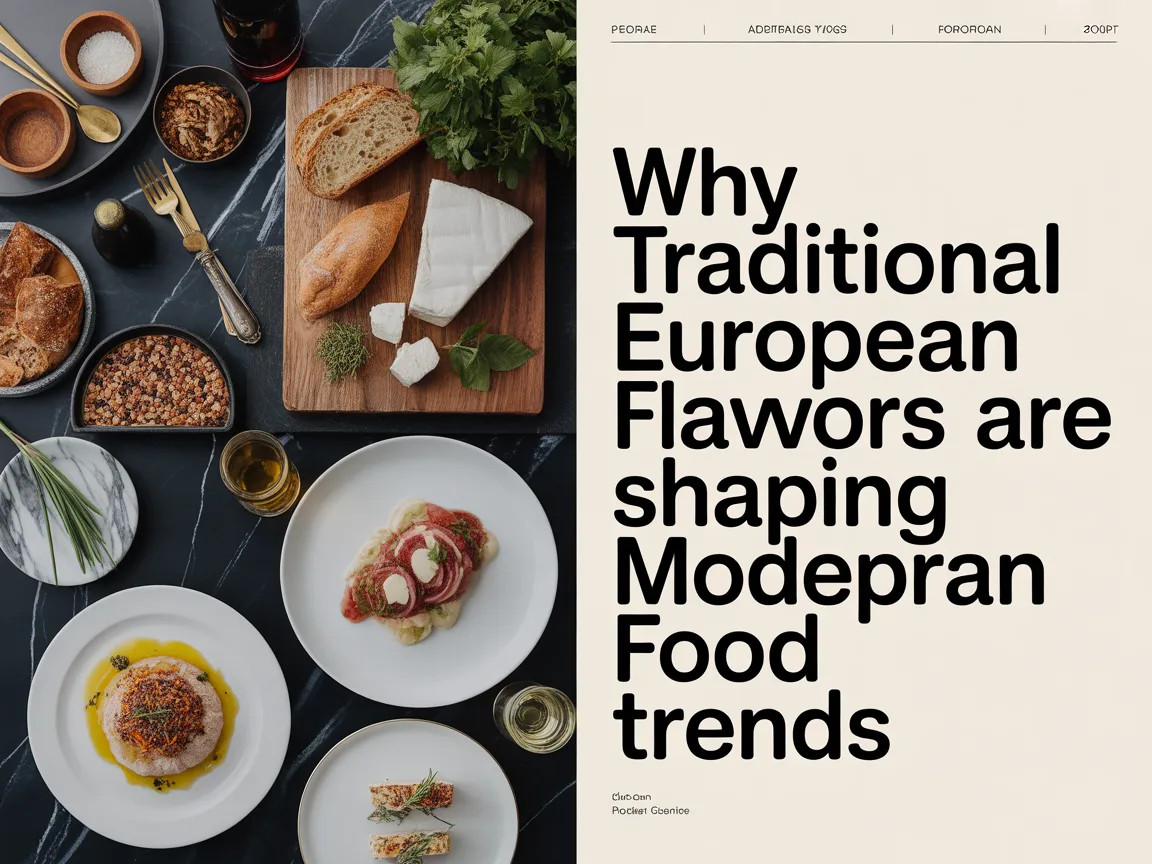
Food trends often start with something new. But just as often, they come from rediscovery. Right now, we are seeing a renewed interest in traditional European flavors, especially those rooted in French and Mediterranean cuisine.
Dishes like pate en crouteare appearing again on menus, not as niche items, but as highlights. At the same time, staple ingredients like salami continue to hold their place, showing that simple, well-made foods still drive demand.
This trend is not about nostalgia. It is about quality, consistency, and trust.
A Shift Toward Authenticity
Consumers today are more informed than ever. They read labels, ask questions, and pay attention to sourcing. This has pushed the food industry toward authenticity in a very real way.
People are choosing foods that feel:
● Real
● Transparent
● Rooted in tradition
They want to understand what they are eating without needing a long explanation. If a product feels over-processed or unclear, they move on quickly.
European cuisine naturally fits this shift. It has always been built on simple methods and strong ingredient quality. Recipes are often passed down, not reinvented every season. That creates a sense of stability, which is exactly what many consumers are looking for right now.
The Power of Craft
One of the key drivers behind this trend is craftsmanship.
Foods like terrines, cured meats, and baked dishes require time and precision. They cannot be rushed without losing quality. That matters more today than it did a few years ago.
Craft signals care. It tells the consumer that someone took the time to do things properly. In a market filled with fast production and shortcuts, that difference is easy to notice.
It also builds trust. When a product reflects real technique, people are more likely to come back to it.
Why Simple Ingredients Matter More Than Ever
Modern food trends often focus on innovation and complexity. But in reality, simplicity is becoming more valuable.
Take cured meats as an example.
At their core, they require:
● Meat
● Salt
● Time
That is it.
Yet the result is rich, layered, and deeply satisfying. There is no need for artificial enhancement. The process itself creates the flavor.
This is why traditional foods continue to perform well. They do not rely on trends or marketing angles. They rely on fundamentals that have already proven themselves over time.
Consumers recognize that. And they are starting to prefer it.
Dining Habits Are Changing
Another major factor is how people eat today.
There is a clear move toward:
● Sharing plates
● Casual dining
● Flexible meal formats
People are no longer locked into structured meals. They snack, they share, and they mix different elements together.
European foods fit perfectly into this behavior.
They can be served in many ways:
● As appetizers before a meal
● As part of a grazing table
● As standalone dishes
This flexibility makes them practical, especially in social settings.
Instead of building a meal around one main dish, people are building experiences around multiple smaller items. Traditional European foods support that naturally.
The Influence of At-Home Entertaining
At-home entertaining is also shaping food trends in a big way.
People are hosting more often, but in a more relaxed format. The focus is not on formal dining. It is on creating an enjoyable, low-effort experience.
They want food that:
● Looks appealing without extra work
● Tastes consistent and high-quality
● Can be served quickly
Traditional European items fit this perfectly.
A simple spread can include:
● Cured meats
● Pastries
● Cheese
● Bread
This type of setup feels complete without being complicated. It also allows hosts to focus on the experience rather than preparation.
Premium Does Not Mean Complicated
There is a common assumption that premium food must be complex. But that is not how consumers see it anymore.
Today, premium often means:
● Better ingredients
● Better execution
● Better sourcing
Not more steps. Not more decoration. Not more ingredients.
European cuisine has always followed this approach. It focuses on doing simple things well.
This is why it continues to influence modern food trends. It aligns with how people define quality today.
The Role of Consistency
Consistency is another reason traditional foods are gaining attention.
Consumers want products they can rely on. They want the same experience every time they buy something.
Traditional recipes offer that.
They are not constantly changing. They are stable, tested, and repeatable. That reliability creates confidence, especially in a market where many products feel temporary.
Opportunities for Food Brands
For food brands, this shift creates clear opportunities.
Products that align with this trend should focus on:
● Authentic recipes
● High-quality ingredients
● Clear positioning
There is strong demand for items that feel both traditional and accessible.
Brands do not need to reinvent these products. In fact, overcomplicating them can reduce their appeal.
The focus should be on execution.
The Importance of Positioning
How a product is presented matters just as much as how it is made.
Consumers respond well to products that are:
● Easy to understand
● Clearly labeled
● Visually clean
If a product feels confusing or over-branded, it loses trust.
Traditional European foods benefit from simple positioning. Their value is already understood. The goal is to communicate that clearly, without adding unnecessary layers.
The Role of Storytelling
Storytelling continues to play an important role in food.
Consumers want to know:
● Where the product comes from
● How it is made
● Why it exists
European foods often come with built-in stories. They are tied to regions, traditions, and methods that have been used for years.
This adds depth without needing to create artificial narratives.
When done correctly, storytelling reinforces quality rather than replacing it. The Balance Between Tradition and Modern Demand While tradition is important, adaptation is still necessary.
Modern consumers expect:
● Better packaging
● Longer shelf life
● Easier access
The challenge for brands is to maintain authenticity while meeting these expectations. This balance is what defines success in this category.
Products that feel too traditional may struggle with accessibility. Products that feel too modern may lose their identity.
The goal is to stay in the middle.
Looking Ahead
This trend is not temporary. It reflects a deeper shift in consumer behavior.
People are moving away from:
● Overly processed foods
● Trend-driven products
● Short-term food hype
And toward:
● Quality
● Simplicity
● Authenticity
Traditional European flavors meet all of these needs without needing to change their core identity.
Final Thoughts
Food trends will continue to evolve. But some principles remain constant. Good ingredients. Proper technique. Honest flavors.
That is what keeps traditional cuisine relevant.
And that is why it continues to shape the future of food.