
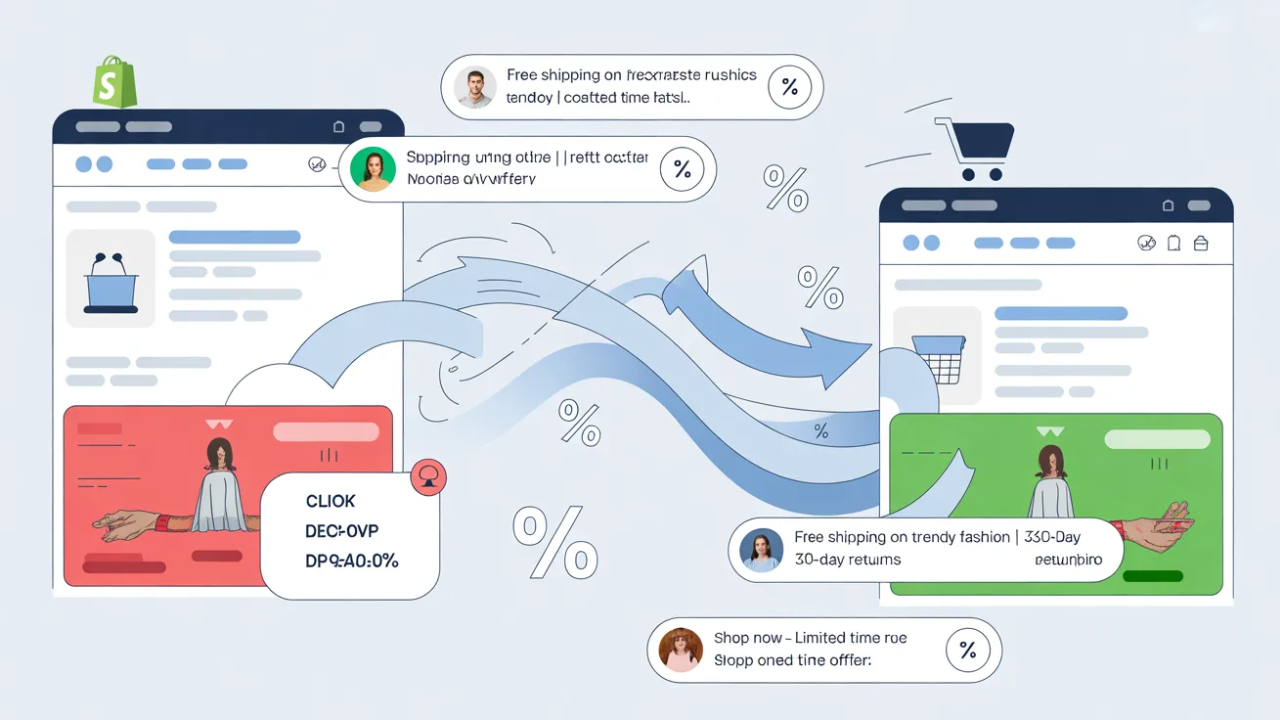
Meta descriptions shape first impressions before a shopper ever visits your store. They act as a pre-click clarity layer, setting expectations early. For Shopify stores with many Shopify product variants, this matters even more. When shoppers see multiple colors or sizes in search results, hesitation can start right away. A clear Shopify meta description reassures them that choosing will be easy and worth the click.
Why do similar Shopify products earn different clicks even when they appear next to each other in search results? Often, it comes down to which description reduces uncertainty faster. Shoppers want quick signals that a product page will be easy to browse and compare. When those signals are missing, they move on.
In this blog, we explain why optimizing your meta descriptions matters and how thoughtful wording influences click decisions before a shopper ever reaches the PDP.
Why Meta Descriptions Still Dominate Click-Through Rate for Shopify Stores
Meta descriptions give you a clear opportunity to guide shoppers before they reach your store. They appear just below the page title and help people understand what they will find when they click. Their value comes from how shoppers make decisions, not from how search systems rank pages.
When someone scans search results, they are looking for quick reassurance. A well-written meta description provides that reassurance early, especially for Shopify stores with products that offer multiple choices.
What Meta Descriptions Are and How They Help
Meta descriptions are written to support shoppers, not to influence rankings directly. Their role is to explain what a page offers in a clear and helpful way.
It helps to keep a few points in mind:
- Meta descriptions encourage clicks by setting clear expectations.
- They help shoppers decide if a page meets their needs.
- They work alongside page content to create a better experience.
Guidance from Google Search Central describes meta descriptions as user-facing summaries, reinforcing their role in helping people choose the right result.
How Meta Descriptions Guide Pre-Click Decisions
Meta descriptions help set expectations by previewing the experience on the page. For stores with complex catalogs, this preview helps shoppers feel comfortable moving forward.
They allow you to communicate:
- What the product is about in simple terms.
- Whether choosing between options will feel easy.
- If the page aligns with what the shopper is looking for.
When expectations are clear, shoppers are more likely to click with confidence.
Why Variant-Heavy Products Benefit Most From Strong Descriptions
Products with multiple variants often need a bit more clarity upfront. Shoppers want to feel confident that selecting a color or size will be straightforward.
A strong meta description supports this by:
- Indicating that options are clearly organized.
- Reducing concern about confusing selection steps.
- Suggesting a smooth browsing experience.
This helps attract shoppers who are ready to explore rather than hesitate.
3 Core Elements That Help a Shopify Meta Description Earn More Clicks
Meta descriptions perform best when you treat them as short decision prompts, not page summaries. Your goal is to help shoppers understand what they will get and how easy the experience will feel. Research and SERP copy analysis from Search Engine Journal highlights how wording clarity and intent matching influence whether a result earns the click.
The elements below focus on clarity, relevance, and ease of action.
1. Optimal Length and Structure That Makes Your Message Easy to Scan
Structure determines whether your message is noticed or skipped. Most shoppers scan quickly and read only the first part of the description.
To make structure work in your favor, focus on these practical points:
- Keep the message short enough to show clearly on both desktop and mobile.
- Place the main benefit or clarity cue at the beginning.
- Introduce the phrase Shopify meta description naturally early when context allows.
- Avoid starting with brand slogans or generic phrases.
This structure helps shoppers understand the value of clicking without effort.
2. Keyword Use That Matches What Shoppers Are Trying to Do
Keywords are most effective when they reflect intent, not when they are repeated. Your description should sound like a helpful sentence, not a checklist.
When writing with keywords in mind:
- Use the primary keyword where it fits naturally in the sentence.
- Add intent cues that match browsing or buying behavior.
- Read the sentence out loud to confirm it sounds natural.
This approach keeps the description clear and useful while still relevant to search queries.
3. Call to Action Language That Sets Clear Expectations After the Click
A call to action should guide the shopper, not rush them. Clear outcomes matter more than urgency.
Before adding a CTA, think about what the shopper will experience next:
- Will product options be easy to compare?
- Will images match selected variants?
- Will the page reduce decision time?
Effective CTAs usually:
- Emphasize ease or clarity.
- Reflect the intent of the search.
- Set honest expectations.
When these elements work together, your meta descriptions help shoppers click with confidence rather than hesitation.
Unique Shopify Variant Focus That Improves Click Confidence Before Shoppers Visit Your Page
Before you adjust wording or test variations, it helps to prepare a few essentials. Variant-focused meta descriptions work best when you approach them with context and care. These prerequisites help you stay consistent, avoid unnecessary rewrites, and support stores with many product options.
Use this checklist to make sure you are ready before making changes.
Prerequisites to Set Before Optimizing Meta Descriptions for Variant-Rich Products
Start by confirming that you understand how your products are structured and presented. This groundwork makes later updates smoother and more reliable.
Before optimization, make sure you have:
- A clear list of products with multiple variants, such as size, color, or style.
- Awareness of which variant options shoppers compare most often.
- Alignment on how you want shoppers to feel before clicking your listing.
- Consistency between product titles, images, and on-page option labels.
These basics help you write descriptions that reflect the actual experience on the page.
Preparing Your Content and Workflow for Consistent Variant Messaging
Once the basics are clear, organize how you plan to write and review descriptions. This preparation helps you stay steady instead of reactive.
Set yourself up with:
- A simple review process so changes are intentional, not rushed.
- Shared wording patterns for common variant situations.
- Clear ownership over who updates descriptions and when.
- A habit of reviewing similar products together instead of one by one.
You can use the table below as a quick readiness check.
| Area to Prepare | What to Confirm |
| Product Structure | Variants are labeled clearly and consistently |
| Messaging Style | Tone feels helpful and reassuring |
| Review Process | Changes are tracked and reviewed calmly |
| Page Experience | Descriptions match what shoppers see after clicking |
With these prerequisites in place, you can move into execution with confidence. Your meta descriptions will support variant-heavy catalogs while staying clear, stable, and easy for shoppers to trust.
Step-by-Step Process to Improve Meta Descriptions Across a Shopify Store
Once your foundation is in place, the next step is careful execution. This process is about making small, intentional updates that improve clarity without creating disruption. You are not rewriting everything at once. You are applying the same steady approach across products so improvements remain consistent, easy to review, and simple to repeat.
Review Existing Meta Descriptions to Spot Clear Improvement Opportunities
Taking time to review what already exists helps you build on what is working. You are not starting from zero. You are refining.
When reviewing current meta descriptions, look for patterns that can be improved:
- Descriptions that cut off mid-sentence and lose clarity.
- Pages that reuse the same description across multiple products.
- Descriptions that do not mention or hint at product options.
- Copy that sounds generic and does not reflect the product page.
This review helps you focus on pages that benefit most from adjustment.
Create Flexible Templates That Keep Descriptions Consistent and Human
Templates support consistency without making descriptions feel repetitive. They act as guides, not fixed rules.
When creating templates, focus on flexible building blocks:
- One clear benefit that matches what shoppers are searching for.
- A natural placement of your primary keyword.
- A short phrase that reassures shoppers about product options.
- A calm call to action that explains what happens after the click.
This structure helps you write faster while keeping descriptions easy to read.
Monitor Changes Gradually and Adjust with Care
Once updates are live, give them time to settle. Small, thoughtful changes lead to better outcomes than frequent rewrites.
Use tools like Google Search Console to observe patterns over time:
- Compare pages before and after changes.
- Look for steady shifts in click behavior, not daily movement.
- Adjust wording only after trends become clear.
This approach helps you maintain stability while improving clarity for shoppers.
Conclusion
Meta descriptions help shoppers feel comfortable choosing your store before they ever arrive on a product page. By reducing uncertainty, they make it easier for people to decide that your listing is worth opening. For Shopify stores with multiple variants, clear descriptions set expectations early and reassure shoppers that selecting options will be simple and well organized. When that reassurance is present, clicks happen more naturally.
Keeping this clarity consistent across your catalog is just as important as writing a strong description once. With steady updates and clear messaging, your metadata stays reliable as your store grows. Small, thoughtful improvements applied consistently help build lasting click confidence over time.