




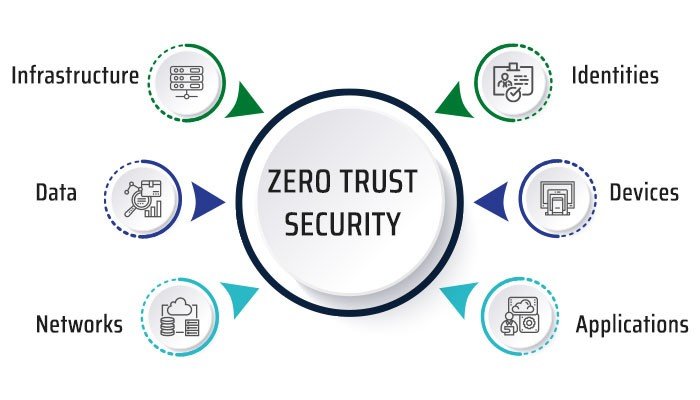
Discover the principles of Zero Trust Access Control, its key benefits, and how organizations can use it to secure their networks in today’s digital landscape.
Understanding Zero Trust Access Control
Zero Trust Access Control is a modern security model that fundamentally changes how organizations protect their networks and data. Unlike traditional security strategies that relied on a trusted internal network and a guarded perimeter, Zero Trust assumes that threats could exist both inside and outside the organization. This model is especially relevant today as remote work, cloud applications, and mobile devices have blurred the boundaries of the traditional network.
The approach requires organizations to treat every user, device, and application as a potential threat until proven otherwise. Instead of allowing broad access once inside the network, Zero Trust insists on strict verification for every access attempt. This proactive stance helps organizations minimize risks, detect anomalies, and respond more quickly to suspicious activities.
Key Principles of Zero Trust
At its heart, Zero Trust is built on the mantra: ‘never trust, always verify.’ This means that no entity whether a user, device, or application should be trusted automatically, even if it is within the organization’s network perimeter. Verification and authentication are required every time someone requests access to any resource.
To see how these principles are put into practice, it’s useful to examine what is ztna in cybersecurity. Zero Trust Network Access (ZTNA) is a key technology that supports strict access controls, ensuring that only verified users and devices can access specific resources. ZTNA solutions often use granular policies and continuous monitoring to enforce security, even as users move between different networks or devices.
Why Zero Trust Is Important Today
The need for Zero Trust Access Control has grown rapidly due to the evolving threat landscape. Cyberattacks are more frequent and sophisticated, targeting organizations of all sizes. Insider threats whether intentional or accidental also pose significant risks. Traditional security models, which trust users inside the network by default, can leave organizations exposed if a single account is compromised.
Zero Trust helps address these challenges by reducing the attack surface and limiting how much damage an attacker can cause. Every access request is treated as potentially hostile, so even if attackers breach one part of the network, they cannot move freely. According to the Cybersecurity & Infrastructure Security Agency, adopting a Zero Trust framework is crucial for building resilient digital environments
Additionally, the widespread adoption of cloud services has made perimeter-based security approaches less effective. Zero Trust adapts well to cloud environments, where resources are distributed and users may connect from anywhere. This makes it a practical choice for modern organizations.
Components of a Zero Trust Architecture
A Zero Trust Architecture consists of several interconnected components, each designed to support strict authentication and continuous monitoring. The first component is identity and access management (IAM), which ensures that only authorized users can access specific resources. IAM systems typically include multi-factor authentication, strong password policies, and regular reviews of user permissions.
Network segmentation is another vital element. By dividing the network into smaller, isolated zones, organizations can prevent attackers from moving laterally if they manage to breach one segment. This makes it much harder for threats to spread and compromise sensitive data.
Continuous monitoring and analytics play a crucial role in Zero Trust. Security systems must track user activity, detect unusual behavior, and respond to threats in real time. This ongoing vigilance helps catch attacks that might bypass traditional defenses. For a comprehensive overview of Zero Trust components, the National Institute of Standards and Technology (NIST) provides detailed recommendations.
Device security is also important. Every device connecting to the network must meet security standards and be regularly updated. This reduces the risk of vulnerabilities being exploited.
Implementing Zero Trust in Organizations
Moving to a Zero Trust model is not an overnight task. It requires careful planning, commitment, and ongoing effort. Organizations should begin by identifying their most valuable assets such as sensitive data, intellectual property, or critical infrastructure. Mapping data flows helps determine how information moves within the organization and where the highest risks exist.
Strong authentication methods are essential. Multi-factor authentication (MFA) requires users to provide multiple proofs of identity, making it harder for attackers to gain access. Organizations should also enforce least privilege policies, giving users access only to the resources they need for their roles.
Ongoing monitoring is necessary to detect and respond to suspicious activity. Security teams should use automated tools to analyze logs, flag anomalies, and investigate incidents. Employee training is equally vital; users must understand the importance of security policies and how to recognize potential threats.
Regular policy reviews ensure that security measures remain effective as the organization’s needs change. As new applications and devices are introduced, security teams must update access controls and monitoring systems accordingly. For practical advice onimplementing Zero Trust, see the guidance from the Center for Internet Security.
Challenges and Considerations
Implementing Zero Trust Access Control is not without challenges. One of the main hurdles is integrating new security tools with existing infrastructure. Legacy systems may not support modern authentication methods or granular access controls, requiring upgrades or replacements.
Organizations must also strike a balance between security and usability. Overly strict controls can frustrate users and hinder productivity. It’s important to involve stakeholders from different departments to ensure that security measures align with business needs.
Costs can be another consideration, as deploying new technologies and training staff may require significant investment. However, the long-term benefits of reduced risk and improved security often outweigh these initial expenses. For a detailed discussion of Zero Trust implementation challenges, the Harvard Business Review provides useful insights.
Real-World Examples of Zero Trust
Many organizations across different industries are adopting Zero Trust to protect their digital assets. For example, government agencies are moving to Zero Trust frameworks to comply with new security mandates. Healthcare organizations use Zero Trust to safeguard patient data and comply with regulations like HIPAA.
In the financial sector, Zero Trust helps protect sensitive customer information and prevent fraud. Retailers use it to secure payment systems and supply chains. Even small businesses can benefit from Zero Trust by reducing their exposure to ransomware and other cyber threats.
These real-world examples show that Zero Trust is flexible and adaptable. Organizations can tailor their Zero Trust strategies to their specific risks and operational needs, making it a practical option for a wide range of environments.
The Future of Zero Trust Access Control
Zero Trust is expected to play an even greater role in cybersecurity as technology evolves. The rise of the Internet of Things (IoT) means more devices are connecting to networks, each representing a potential entry point for attackers. Zero Trust can help manage these risks by enforcing strict device verification and continuous monitoring.
As remote work becomes more common, organizations will rely on Zero Trust to secure their employees’ access to cloud resources and internal systems. The model’s adaptability makes it suitable for hybrid and multi-cloud environments, where traditional security approaches fall short.
Emerging technologies like artificial intelligence and machine learning are also being integrated into Zero Trust solutions. These tools can analyze vast amounts of data, detect subtle anomalies, and automate responses to threats. As attackers use more sophisticated methods, these advanced capabilities will be crucial for staying ahead.
Conclusion
Zero Trust Access Control marks a significant shift from older security models. By focusing on strict authentication, continuous monitoring, and the principle of least privilege, organizations can reduce the risk of data breaches and insider threats. While implementing Zero Trust requires effort and investment, the benefits of improved security and resilience make it a vital strategy for the digital age. Organizations that adopt Zero Trust will be better positioned to face the evolving threat landscape and protect their most valuable assets.
FAQ
What is Zero Trust Access Control?
Zero Trust Access Control is a security framework that assumes no user or device should be trusted by default. Every access request is verified, regardless of where it originates.
How does Zero Trust differ from traditional security models?
Traditional models often trust users and devices within the network perimeter. Zero Trust, on the other hand, requires continuous verification for every access attempt, both inside and outside the network.
What are the main benefits of Zero Trust?
Zero Trust reduces the risk of unauthorized access, limits the impact of breaches, and helps protect sensitive data by enforcing strict authentication and access controls.
Is Zero Trust suitable for all types of organizations?
Yes, organizations of all sizes and industries can benefit from Zero Trust. The approach can be tailored to fit specific needs and risk profiles.
What are the first steps to implementing Zero Trust?
Begin by identifying critical assets, mapping data flows, and enforcing strong authentication. Regularly review and update security policies to address new threats.