



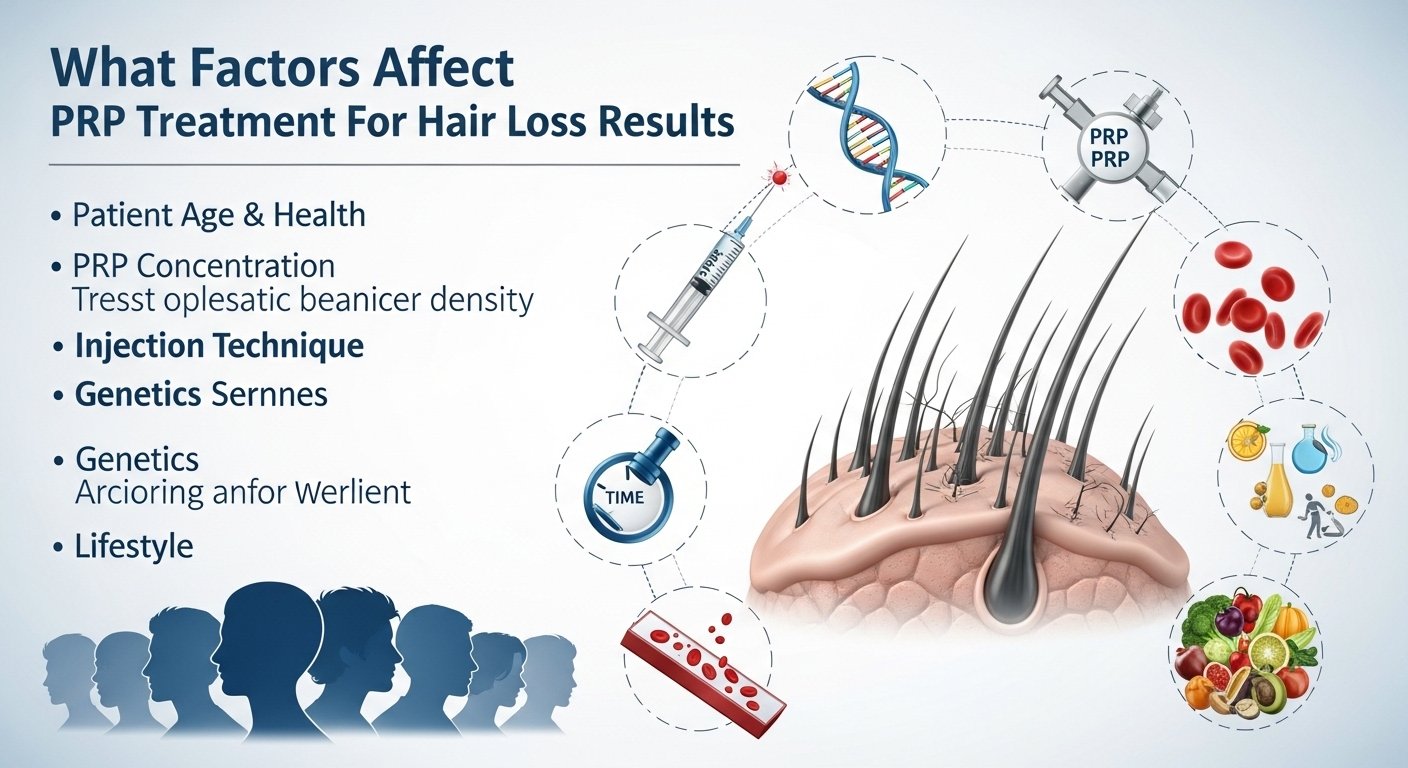
Platelet-Rich Plasma (PRP) therapy has become a widely used option for individuals seeking non-surgical solutions for hair thinning. Many patients considering PRP treatment for hair loss in Bournemouth want to understand what influences their results and how to maximise the effectiveness of the procedure. While PRP can support hair regrowth and improve hair quality, outcomes vary depending on several important factors. In some cases, alternative procedures such as a beard transplant may also be considered for areas where hair restoration requires a different approach.
Understanding PRP Treatment For Hair Loss
PRP therapy involves drawing a small amount of the patient’s blood, processing it to concentrate platelets, and injecting it into the scalp. These platelets contain growth factors that stimulate hair follicles, improve blood supply, and support healthier hair growth.
The treatment is particularly beneficial for early-stage hair thinning and can help strengthen existing hair while encouraging regrowth.
Stage Of Hair Loss
One of the most significant factors affecting results is the stage of hair loss.
Early-Stage Hair Loss
- Hair follicles are still active
- Higher chance of regrowth
- Better response to PRP therapy
Advanced Hair Loss
- Follicles may be inactive or damaged
- Limited regrowth potential
- May require additional treatments such as hair transplant procedures
Patients seeking PRP treatment for hair loss in Bournemouth often achieve better outcomes when treatment begins early.
Quality Of Platelet Concentration
The effectiveness of PRP depends on the quality and concentration of platelets extracted during the process.
Why It Matters
- Higher platelet concentration delivers more growth factors
- Improves stimulation of hair follicles
- Enhances overall treatment effectiveness
Clinics using advanced technology for PRP preparation can provide more consistent and reliable results.
Number Of Treatment Sessions
PRP is not a one-time procedure. Multiple sessions are usually required to achieve noticeable improvements.
Typical Treatment Plan
- Initial series of 3–4 sessions spaced weeks apart
- Maintenance sessions every few months
Consistency is key for patients undergoing PRP treatment for hair loss in Bournemouth to achieve and maintain results.
Individual Health And Lifestyle
A patient’s overall health plays a crucial role in how well they respond to PRP therapy.
Influencing Factors
- Nutrition and diet
- Stress levels
- Smoking habits
- Hormonal balance
Healthy individuals tend to experience better healing and improved hair growth outcomes.
Underlying Cause Of Hair Loss
Hair loss can result from various causes, and PRP may be more effective for certain conditions.
Conditions That Respond Well
- Androgenetic alopecia (pattern hair loss)
- Stress-related hair thinning
- Mild to moderate hair loss
Conditions That May Require Additional Treatment
- Autoimmune disorders
- Severe follicle damage
- Scarring alopecia
Understanding the root cause helps determine whether PRP is the most suitable option.
Technique And Practitioner Experience
The skill and experience of the practitioner performing the treatment significantly influence results.
Importance Of Expertise
- Accurate injection technique
- Proper distribution of PRP across the scalp
- Use of appropriate equipment
Choosing a qualified provider for PRP treatment for hair loss in Bournemouth ensures safer and more effective outcomes.
Post-Treatment Care
Following aftercare instructions is essential for maximising the benefits of PRP therapy.
Recommended Practices
- Avoid washing hair for a specified period
- Refrain from using harsh chemicals or styling products
- Follow a gentle hair care routine
- Attend follow-up appointments
Proper aftercare supports the healing process and enhances results.
Combination With Other Treatments
PRP is often combined with other treatments to improve effectiveness.
Common Combinations
- Topical or oral medications
- Laser therapy
- Microneedling
In some cases, patients may explore surgical options such as a beard transplant for areas where PRP alone may not provide sufficient density.
Realistic Expectations
Managing expectations is an important part of the treatment process.
What To Expect
- Gradual improvement over several months
- Increased hair thickness and strength
- Reduction in hair shedding
PRP does not typically create entirely new hair in completely bald areas but helps improve the quality and growth of existing follicles.
Age And Genetics
Age and genetic factors can influence how the body responds to PRP therapy.
- Younger patients may experience faster results
- Genetic hair loss patterns may require ongoing maintenance
- Long-term management is often necessary for sustained outcomes
These factors should be discussed during consultation to set realistic goals.
When To Consider Alternative Treatments
While PRP is effective for many patients, it may not be suitable for everyone.
Alternatives May Include
- Hair transplant procedures
- Beard transplant for facial hair restoration
- Medical treatments for underlying conditions
A personalised approach ensures that patients receive the most appropriate treatment for their needs.
Conclusion
The success of PRP treatment for hair loss in Bournemouth depends on a combination of factors, including the stage of hair loss, overall health, treatment consistency, and practitioner expertise. By understanding these factors, patients can make informed decisions and take steps to maximise their results.
While PRP offers a non-surgical solution for improving hair growth and thickness, it is important to maintain realistic expectations and follow a comprehensive treatment plan. In some cases, alternative options such as a beard transplant may be recommended to achieve desired outcomes.
With the right approach, professional guidance, and ongoing care, PRP therapy can play a valuable role in supporting healthier, fuller hair over time.