




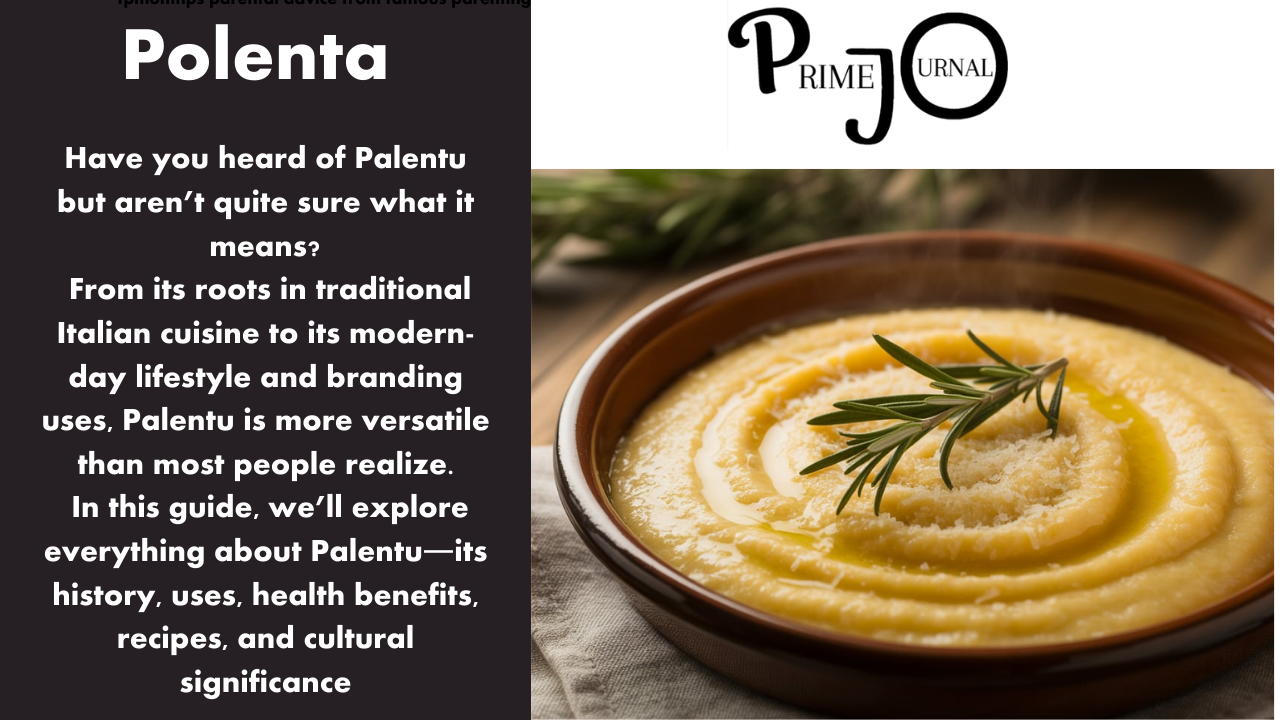
If you’ve recently come across the word Palentu, you might be wondering—what exactly does it mean? Is it a place, a dish, a concept, or something else entirely? The truth is, Palentu is a versatile term that has gained attention in different contexts around culture, lifestyle, food, and technology.
This article breaks down Palentu from A to Z—its history, cultural roots, benefits, uses, and even modern digital associations. Whether you’re a curious learner, a foodie, or someone looking into new lifestyle trends, this guide is designed to give you a complete, SEO-friendly, and human-like explanation of Palentu.
What Is Palentu?
At its core, Palentu can refer to:
- A culinary dish often associated with maize-based meals in some cultures.
- A brand name or digital concept adopted by startups or tech platforms.
- A linguistic variation of Polenta (a traditional Italian cornmeal dish).
- A symbolic or cultural reference, depending on regional use.
In most online searches, Palentu is linked closely to Polenta—a traditional cornmeal-based dish from Northern Italy. However, the spelling “Palentu” is increasingly being used in modern blogs, lifestyle websites, and product branding.
The Origins of Palentu
The history of Palentu (or Polenta) can be traced back to:
- Ancient Rome – Roman soldiers were said to consume boiled grains similar to modern-day polenta.
- Italian Culinary Heritage – In Northern Italy, polenta became a staple dish for peasants, evolving over centuries.
- Global Influence – With Italian migration, Palentu/polenta traveled across continents, adapting into new cuisines.
According to Wikipedia, polenta was historically made from millet and barley before maize was introduced from the Americas in the 16th century.
Palentu in Modern Context
Today, Palentu goes beyond being just a dish. Its modern usage can be found in:
- Culinary World – A gourmet dish in Italian and fusion restaurants worldwide.
- Lifestyle & Wellness – Some wellness bloggers use “Palentu” as a symbolic term for simplicity and balance.
- Digital Branding – A few startups and small businesses have adopted the term “Palentu” as a unique brand name.
- Cultural Adaptations – Regional versions exist, where Palentu refers to cornmeal cakes, porridges, or breads.

Culinary Perspective: Palentu as a Dish
Ingredients of Traditional Palentu
- Cornmeal (fine or coarse grind)
- Water or broth
- Salt
- Olive oil or butter
- Cheese (Parmesan, Gorgonzola, or Pecorino, depending on region)
Cooking Methods
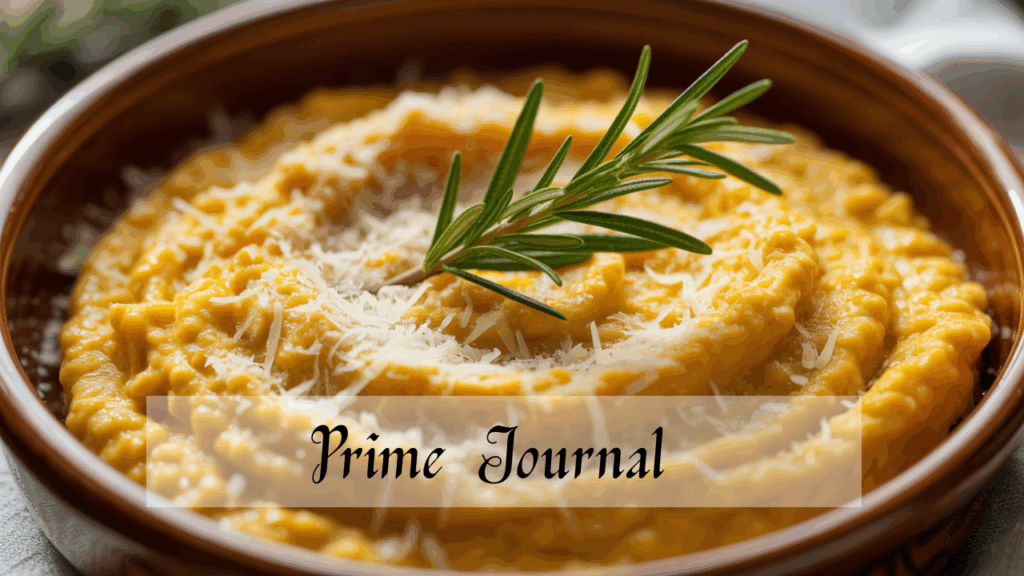
- Boiled: The most classic form, slow-cooked for creamy texture.
- Baked: Once cooled, sliced into cakes and baked until crisp.
- Fried or Grilled: Popular in street food and modern restaurants.
Popular Pairings
- Meat stews
- Grilled vegetables
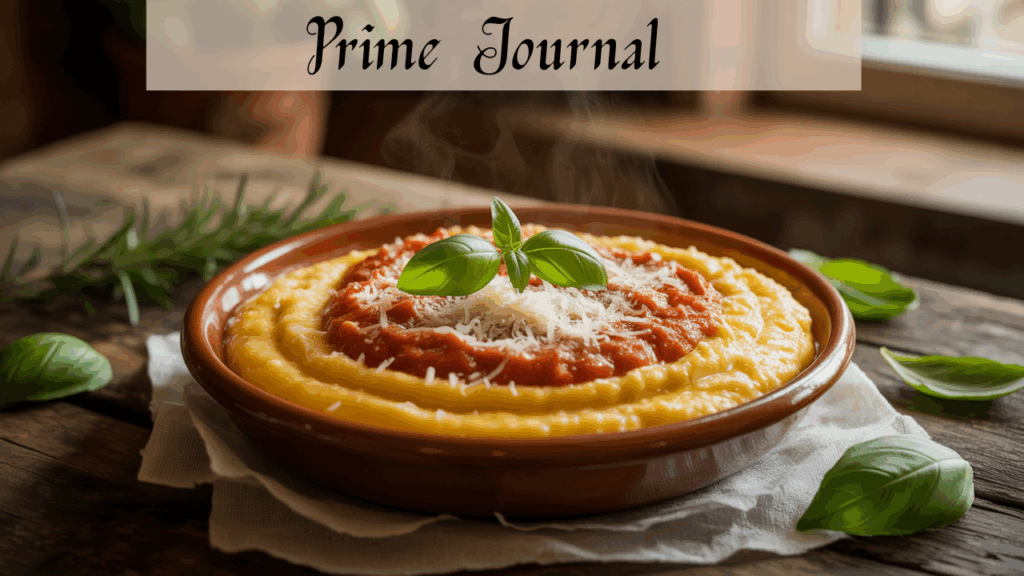
- Rich sauces (tomato, mushroom, or cheese-based)
- Seafood (shrimp, calamari)
Nutritional Value of Palentu
| Nutrient (per 100g cooked) | Amount | Benefit |
|---|---|---|
| Calories | ~100 | Low-calorie energy source |
| Carbohydrates | 21g | Quick energy |
| Protein | 2g | Supports muscle health |
| Fat | 1g | Minimal fat content |
| Fiber | 1.5g | Aids digestion |
| Iron | 4% DV | Supports blood health |
Palentu is gluten-free, making it a great alternative for those with celiac disease or gluten sensitivity.
Benefits of Palentu
- Versatile – Can be eaten soft, firm, fried, or baked.
- Affordable – Cornmeal is inexpensive and widely available.
- Nutritious – Provides carbs, iron, and essential minerals.
- Gluten-Free – Perfect for people avoiding wheat.
- Cultural Experience – A dish that connects to rich Italian traditions.
How Palentu Is Used Beyond Food
Interestingly, “Palentu” has popped up in different sectors:
- Branding: Small businesses use Palentu as a name for creative startups.
- Digital Platforms: Some online platforms experiment with the term for lifestyle or culinary blogs.
- Cultural Symbol: Used poetically in literature and storytelling as a symbol of warmth and home.
Palentu vs. Polenta: Are They the Same?
| Feature | Palentu | Polenta |
|---|---|---|
| Spelling Variation | Yes | Standard Italian |
| Commonly Used In | Blogs, lifestyle sites | Culinary world, recipes |
| Meaning | Can refer to dish or brand | Always the cornmeal dish |
| Popularity | Rising | Established |
Essentially, Palentu is often just an alternative spelling of Polenta, but its broader use has made it stand apart.
How to Make Palentu at Home (Step-by-Step)
Ingredients:
- 1 cup cornmeal
- 4 cups water or broth
- 1 tsp salt
- 2 tbsp butter or olive oil
- Optional: Parmesan cheese
Method:
- Boil water/broth in a large pot.
- Add salt, then slowly whisk in cornmeal.
- Reduce heat, stirring continuously to avoid lumps.
- Cook for 30–40 minutes until creamy.
- Stir in butter/cheese before serving.
FAQs
1. What is Palentu made of?
Palentu is made primarily from cornmeal, water or broth, and seasoning. Variations may include butter, olive oil, or cheese.
2. Is Palentu the same as Polenta?
Yes, in most cases. Palentu is often a regional or modern spelling of Polenta, though it may also be used for branding and symbolic purposes.
3. Is Palentu healthy?
Yes. It’s gluten-free, low in fat, and a good energy source. However, its healthiness depends on how it’s prepared (e.g., creamy vs. fried).
4. Can I eat Palentu on a gluten-free diet?
Absolutely! Since it’s made from cornmeal, it’s naturally gluten-free.
5. How do you serve Palentu?
It can be served creamy with sauces, cooled and sliced, baked, fried, or even grilled.
6. Why is Palentu popular today?
Because it’s versatile, affordable, and culturally rich. Plus, its unique spelling has gained attention online as a lifestyle and branding term.
Conclusion
Palentu is more than just a dish—it’s a concept that bridges tradition and modernity. Whether you enjoy it as a warm Italian comfort food, explore it as a brand name, or encounter it in lifestyle blogs, Palentu carries a sense of heritage, versatility, and creativity.
If you haven’t tried Palentu yet, maybe it’s time to bring this timeless dish into your kitchen or explore its modern lifestyle meanings.