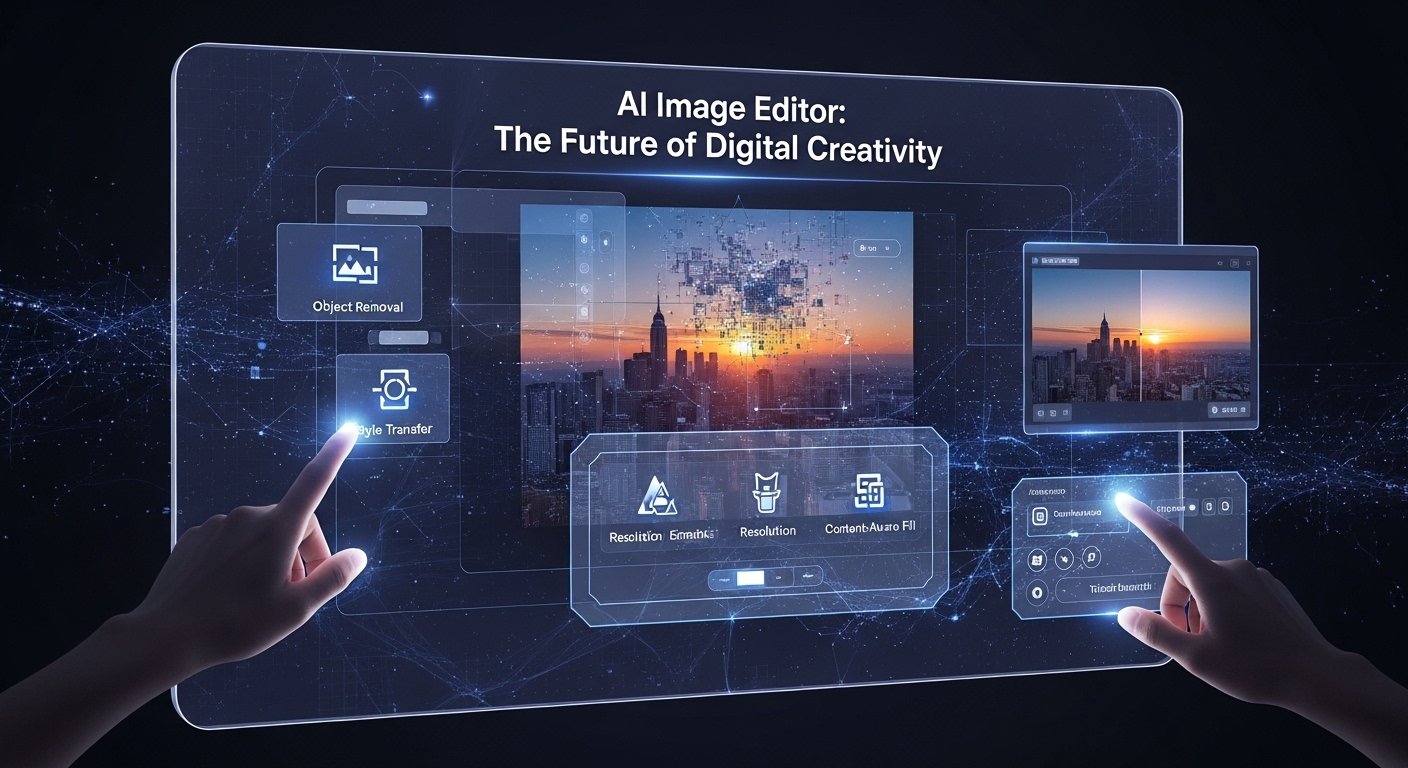




The creative landscape is evolving rapidly, and few innovations have reshaped digital design as dramatically as artificial intelligence. What once seemed experimental has become a practical part of modern creative workflows. Designers are using AI for ideation, marketers are producing campaign visuals faster, and creators are discovering entirely new ways to bring ideas to life.
At the center of this shift are Free AI image generator tools, which have become powerful platforms for producing illustrations, concept art, marketing graphics, branded visuals, and even photorealistic imagery. For designers and content creators, these platforms are not simply shortcuts—they are becoming creative ecosystems that support ideation, experimentation, and production.
Why AI Image Generation Platforms Are Gaining Momentum
Visual content demand continues to grow across nearly every digital channel.
Websites need graphics.
Social media demands constant imagery.
Brands need ad creatives.
Creators need original visuals.
Traditional workflows can struggle to keep up with that pace.
AI image generation platforms help solve that challenge by accelerating visual creation while expanding creative possibilities. Many newer platforms also offer stronger prompt control, improved text rendering, style consistency, and workflow integrations than earlier tools. Recent advances have pushed these platforms beyond novelty into practical design tools.
This combination of speed and flexibility is why adoption continues growing.
What Makes These Platforms Valuable for Creators
Not all AI platforms serve the same purpose.
Some prioritize artistic experimentation.
Some focus on design workflows.
Others specialize in marketing visuals or concept development.
What makes them valuable often comes down to several core strengths.
Rapid Idea Generation
One of the biggest benefits is how quickly ideas can become visual concepts.
Instead of starting from nothing, creators can generate multiple directions from a single idea and refine from there.
This dramatically improves brainstorming.
Style Exploration
These platforms allow creators to test:
- Minimalist aesthetics
- Cinematic compositions
- Illustration styles
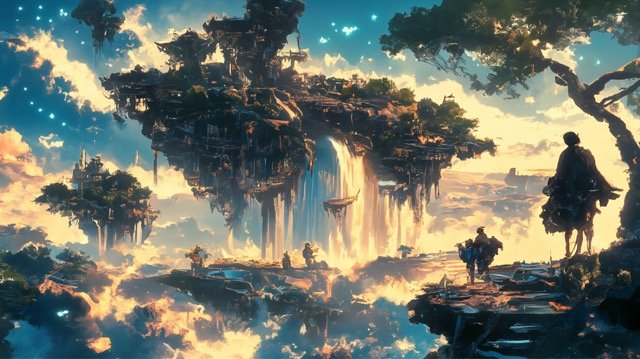
- Fantasy environments
- Editorial visuals
- Photorealistic concepts
Exploring styles that once took hours can now happen in minutes.
Faster Production Workflows
For designers managing deadlines or creators publishing frequently, faster visual production can be a major advantage.
Projects often move from concept to asset far more quickly.
Types of AI Image Generation Platforms Creators Are Using
The ecosystem has expanded well beyond simple text-to-image generators.
Today’s platforms often fall into several categories.
Artistic Generation Platforms
These platforms often prioritize creative expression and high-quality artwork.
They are commonly used for:
- Concept art
- Character design
- Fantasy illustrations
- Editorial visuals
- Experimental artwork
Creators often use them for visually striking outputs and inspiration-heavy work.
Design-Centric Platforms
Some platforms focus more on practical design workflows.
These often support:
- Marketing graphics
- Social content
- Branding assets
- Layout assistance
- Editable creative assets
These can be especially valuable for designers balancing creativity with production demands.
Some newer systems even support stronger typography handling and design-oriented outputs than earlier image generators.
Integrated Creative Platforms
Another growing category combines generation with editing, templates, collaboration, and broader creative workflows.
Instead of being standalone generators, these operate more like creative studios.
This matters for teams and creators who need more than image generation alone.
How Designers Use These Platforms
Professional designers are increasingly incorporating AI into specific parts of their process.
Concept Development
Generating rough directions before moving into polished execution.
Mood Boards and References
Instead of hunting for inspiration, designers can generate visual references aligned to a project.
Rapid Iteration
Exploring multiple design directions much faster.
Creative Block Support
When ideas stall, generated outputs can spark new approaches.
In many cases, AI supports creative thinking rather than replacing traditional design expertise.
How Content Creators Benefit
Content creators often need visuals constantly.
Blog graphics.
Thumbnails.
Ad creatives.
Social posts.
Email visuals.
Producing these manually at scale can be difficult.
AI platforms help creators produce custom imagery aligned with content themes and brand identity without relying solely on stock photography.
That can improve both efficiency and originality.
Choosing the Right Platform for Your Workflow
Because platforms vary widely, creators often benefit from choosing based on goals rather than hype.
Questions worth considering:
Do You Need Artistic or Practical Outputs?
Some tools excel at imaginative artwork.
Others are better for marketing or graphic assets.
Choose based on workflow needs.
How Important Is Editing Control?
Some platforms emphasize generation.
Others provide stronger editing and refinement tools.
For professional workflows, editing flexibility often matters as much as generation quality.
Do You Need Text Rendering?
For posters, ads, and social graphics, typography handling can matter significantly.
Some platforms are improving notably in this area.
Does It Fit Your Existing Tools?
Integration with creative software or content workflows can be a major advantage.
Sometimes the best platform is the one that fits your process most naturally.
AI as a Creative Partner, Not Just a Tool
A major reason these platforms matter is they are changing how creators think.
Rather than functioning as one-click generators, many operate more like collaborative creative systems.
The human still drives:
- Vision
- Direction
- Prompt strategy
- Selection
- Refinement
- Final storytelling
The platform generates possibilities.
The creator shapes outcomes.
That relationship is what makes these tools powerful.
Prompting as a Creative Skill
An important part of exploring these platforms is learning prompt craft.
Prompting increasingly resembles art direction.
Creators guide outputs through:
- Style language
- Composition cues
- Lighting descriptions
- Mood references
- Perspective instructions
- Visual detail refinement
Better prompts often lead to dramatically better results.
That has made prompt writing its own creative skill.
Industries Using AI Image Platforms
These tools are influencing far more than independent creators.
Marketing
Campaign visuals and ad concepts.
Publishing
Illustrations and promotional artwork.
E-Commerce
Product scenes and mockups.
Entertainment
Concept art and visual development.
Education
Custom learning visuals.
This widespread adoption reflects how versatile these platforms have become.
Challenges to Keep in Mind
Exploring AI image generation also means understanding its limitations.
Important discussions remain around:
- Copyright concerns
- Ownership questions
- Ethical use
- Data sourcing
- Originality concerns
- Responsible disclosure
These issues matter as the technology matures.
Responsible use is part of modern creative practice.
Where These Platforms Are Heading
AI image generation is evolving quickly.
Future platforms may offer:
- More precise editing controls
- Stronger style consistency
- Real-time creative collaboration
- Deeper software integrations
- Personalized AI creative assistants
- Unified creative suites combining image, design, and motion tools
Some platforms are already moving toward broader all-in-one creative ecosystems rather than standalone generators.
That could significantly reshape creative workflows.
Why This Shift Matters
Every major creative technology changes who can create and how.
AI image generation platforms are doing both.
They help professionals move faster.
They help beginners participate.
They expand experimentation.
They lower production barriers.
And they allow ideas to be visualized with unprecedented speed.
That is not just a tool upgrade.
It is a workflow shift.
Final Thoughts
Exploring AI image generation tools reveals something bigger than a passing trend. These platforms are becoming powerful creative environments for designers and content creators alike.
They support ideation.
They accelerate production.
They expand artistic possibilities.
And they help creators transform ideas into visuals faster than ever before.
Used thoughtfully, they are not replacements for creativity.
They are catalysts for it.
And for many creators, that is what makes them worth exploring.