



OSHA and ANSI set gear rules, and the right gear cuts many on-site injuries. This guide shows what gear you need, how to pick it, and how to keep it working.
Read on to stay safe.
Key Factors in Choosing Protective Gear
Choosing the right safety equipment keeps you safe on every job. Good gear makes tough work easier and helps prevent injuries—so a few smart choices matter.
Assessing Site-Specific Hazards
Assess the site before work starts. Note hazards, task needs, and worker limits.
- Walk the site and record hazards. List falling objects, live wiring, and uneven ground, so you can pick the right PPE, like Hard Hats, Gloves, and Work Boots.
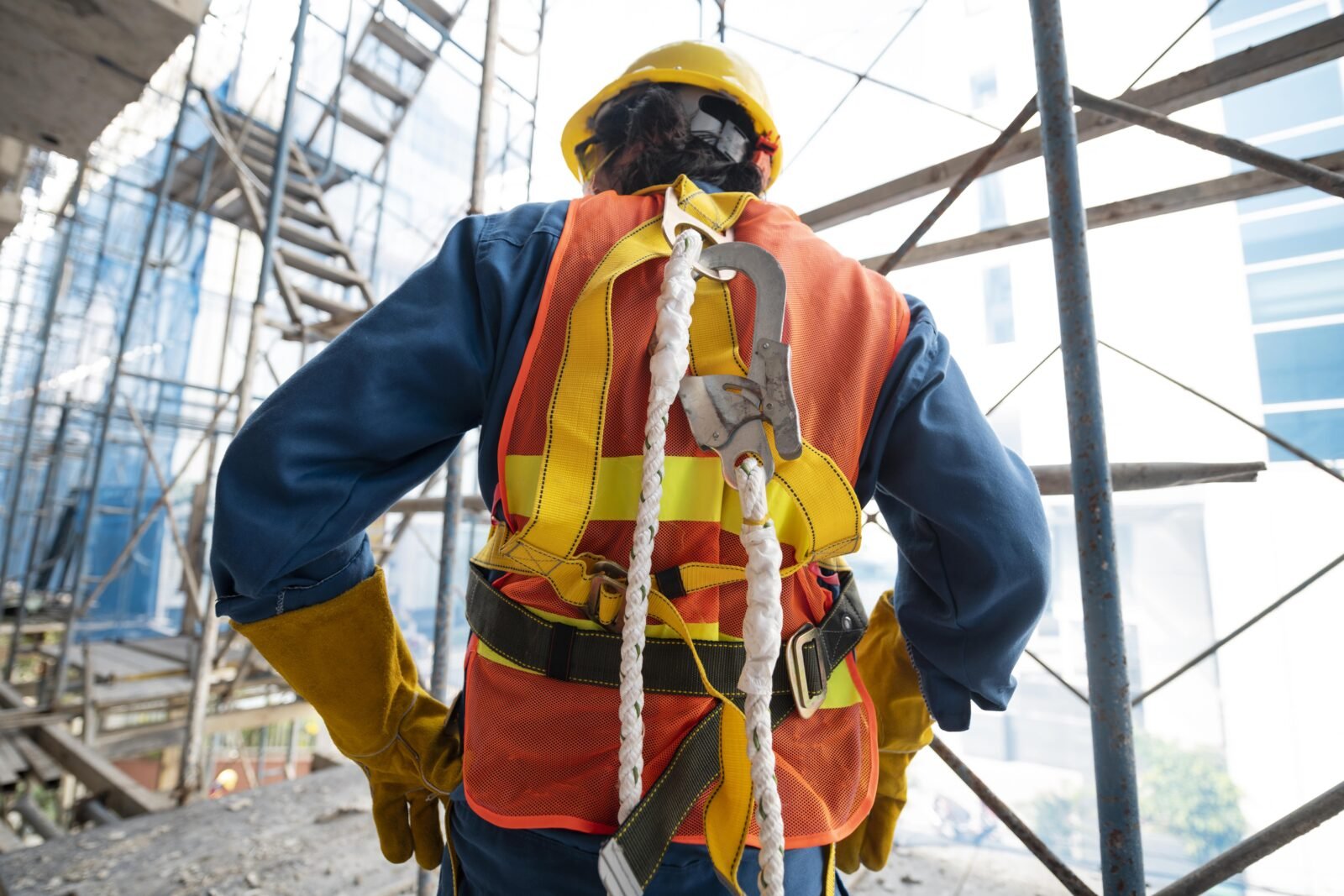
- Check for heights and fall risks. Plan Fall Protection, use harnesses, and set anchor points that meet Safety Standards and OSHA rules.
- Inspect for dust, fumes, and gases. Choose Respirators or masks, and test air, if needed, to protect lungs and meet respiratory safety rules.
- Look for noise sources and measure decibels. Provide Hearing Protection, such as earplugs or earmuffs, when levels exceed allowed limits.
- Note tasks that need eye or face protection. Supply Safety Glasses or Face Shields for cutting, welding, or flying debris, to prevent eye injury.
- Assess hand hazards and pick task-specific gloves. Use cut-resistant, chemical-resistant, or insulated gloves to match the job and reduce hand injuries.
- Check ground and weather conditions for foot risks. Select steel-toed or composite Work Boots with slip-resistant soles and proper insulation for cold sites.
- Review lighting and visibility needs. Add High-Visibility vests or jackets for low light, traffic, or moving equipment to boost worker safety. Type 2 helmets provide advanced impact protection that can significantly reduce the risk of head injuries on construction sites.
- Verify safety rules and labels on site. Match PPE to ANSI, OSHA, and other Safety Standards, so equipment meets required protection levels.
- Talk with the crew and note medical limits. Adjust gear for comfort, fit, and any health needs, to keep workers safe and productive.
Ensuring ANSI/OSHA Compliance
Are you unsure which safety gear fits your construction job and worry about injuries or fines? Protective gear must meet ANSI and OSHA standards. These rules are in place to keep workers safe on construction sites. They set clear guidelines for safety equipment, like hard hats, gloves, and boots.
Following these standards is a requirement.
Companies can face fines if they do not comply with safety regulations. Workers deserve the best protection possible to avoid injuries. Choosing gear that meets ANSI/OSHA compliance helps ensure this level of safety.
It shows respect for the job and the people doing it. Proper protective equipment protects individuals and promotes a culture of safety within teams.
Now, let’s consider essential protective gear for construction work…
Safety isn’t expensive; it’s priceless.
Balancing Comfort and Durability
Comfort and durability are key when choosing protective gear for construction. Gear should fit well and feel good, especially during long hours on the job. If it’s too tight or heavy, it can distract workers from their tasks.
Durable materials will keep the gear safe over time. A balance between comfort and strength ensures that workers stay safe while they focus on their work. Quality equipment lasts longer, which means less money spent on replacements.
Look for PPE that meets safety standards without sacrificing comfort; this is vital in keeping everyone protected on site.
Essential Protective Gear for Construction
Essential protective gear is key to safety on construction sites. This gear helps shield workers from injuries and hazards they might face every day.
Head Protection: Hard Hats and Helmets
Hard hats and helmets are crucial for head protection on construction sites. They shield workers from falling objects, bumps, and electrical hazards. Hard hats meet safety standards set by ANSI and OSHA.
This means they offer reliable protection.
Choose a hard hat that fits well. A loose hat can easily fall off during work. Make sure to inspect your hard hat regularly for cracks or wear. If it’s damaged, replace it immediately to keep safe on the job.
Eye and Face Protection: Safety Glasses and Face Shields
Eye and face protection is crucial on construction sites. Safety glasses guard against flying debris, dust, and harmful chemicals. They come with different coatings to resist scratches or fogging.
Face shields provide extra coverage for the entire face. These are great for tasks like grinding or welding.
Wearing the right gear is key to preventing injuries. ANSI standards help in choosing safety glasses and face shields that meet safety regulations. Always select options that fit well and feel comfortable; this encourages workers to wear them consistently.
Protecting your eyes and face helps ensure a safer work environment from hazards seen and unseen.
Hand Protection: Task-Specific Gloves
Eye and face protection is vital on a construction site. Next, hand protection plays a key role in safety too. Task-specific gloves are crucial for workers. They help shield hands from cuts, burns, chemicals, and other dangers.
Different tasks need different gloves. For example, welding requires heat-resistant gloves while handling sharp materials calls for cut-resistant options. Proper fit matters as well; loose or tight gloves can cause accidents.
Choosing the right type of glove ensures comfort and boosts productivity on the job site.
Foot Protection: Steel-Toed or Composite Boots
Foot protection is key on a construction site. Steel-toed boots offer hard protection for your toes. They can resist heavy impacts and sharp objects. Composite boots are lighter and made with non-metal materials.
These boots also give good protection while being more comfortable.
Choosing the right footwear matters for safety. Look for slip-resistant soles to help prevent falls. A good fit is essential too; tight shoes can cause blisters, while loose ones can lead to slips.
Wearing the right foot gear keeps you safe, helps you work better, and protects against hazards on the job site.
High-Visibility Gear: Reflective Vests and Jackets
High-visibility gear is crucial for safety on construction sites. Reflective vests and jackets help workers stand out, especially in low-light conditions or around heavy machinery.
These bright colors make it easier for others to see them, reducing the risk of accidents.
Wearing high-visibility gear meets safety regulations. Workers must choose items that are ANSI-compliant to ensure proper protection. Comfort matters too; a good fit helps people move freely while staying safe.
Always check that reflective materials are intact and clean for the best visibility on the job site.
Hearing and Respiratory Protection: Earplugs and Masks
Hearing protection is a must on construction sites. The noise can be loud and harmful. Earplugs fit snugly in the ears. They help block out dangerous sounds. Using earplugs reduces the risk of hearing loss due to prolonged exposure to noise.
Respiratory protection keeps workers safe from dust and fumes. Masks filter harmful air particles, making it easier to breathe in tough environments. It’s essential to choose masks that fit well for better safety and comfort.
Knowing how to use these protections makes working safer too, which helps everyone focus better on their tasks ahead like finding the right protective gear!
Best Practices for Maintaining PPE
Regularly check your PPE for tears or wear and keep it clean and stored properly. This helps ensure safety on the job site. Want to know more tips on keeping your gear in top shape? Keep reading!
Regular Inspections for Damage
Regular inspections help keep personal protective equipment (PPE) safe and effective. Checking for damage can prevent accidents on construction sites.
- Inspect hard hats for cracks or dents. Small issues can lead to big problems.
- Check safety glasses for scratches or broken frames. Clear vision is vital for eye protection.
- Look at gloves for tears or holes. Damaged gloves can expose hands to hazards.
- Examine steel-toed boots for wear and tear. These boots should be in good shape to protect feet.
- Review respiratory gear like masks and filters. Old or dirty filters reduce their effectiveness.
- Clean high-visibility gear often. Dirt can hide the bright colors needed to catch attention on-site.
- Keep hearing protection, like earplugs, in good condition. Worn-out earplugs do not block sound effectively.
- Store PPE properly after each use. Keeping equipment safe helps it last longer.
Taking time for these checks ensures safety on the job site every day.
Proper Cleaning and Storage
Cleaning and storing protective gear is key to safety. Proper care helps your equipment last longer.
- Hard hats should be cleaned with mild soap and water. Avoid harsh chemicals that can damage them.
- Safety glasses need regular cleaning with a soft cloth. This keeps them clear for better vision.
- Gloves must be washed according to their type. Some can be machine washed, while others need hand washing.
- Boots should be wiped down after each use. Check for any debris or damage before storing them.
- High-visibility gear must be cleaned as per the label instructions. Keeping it bright helps maintain visibility on site.
- Respirators require careful handling too. Clean the filters and masks according to the manufacturer’s guidelines; replace parts when necessary.
Proper cleaning ensures that all your personal protective equipment (PPE) stays in top shape. Let’s now talk about essential protective gear for construction work!
Conclusion
Choosing the right protective gear for construction work keeps you safe. It protects against many hazards at the job site. Hard hats, safety glasses, gloves, and boots are must-haves.
Always check your gear for damage. Staying safe is key to working well and finishing strong!