



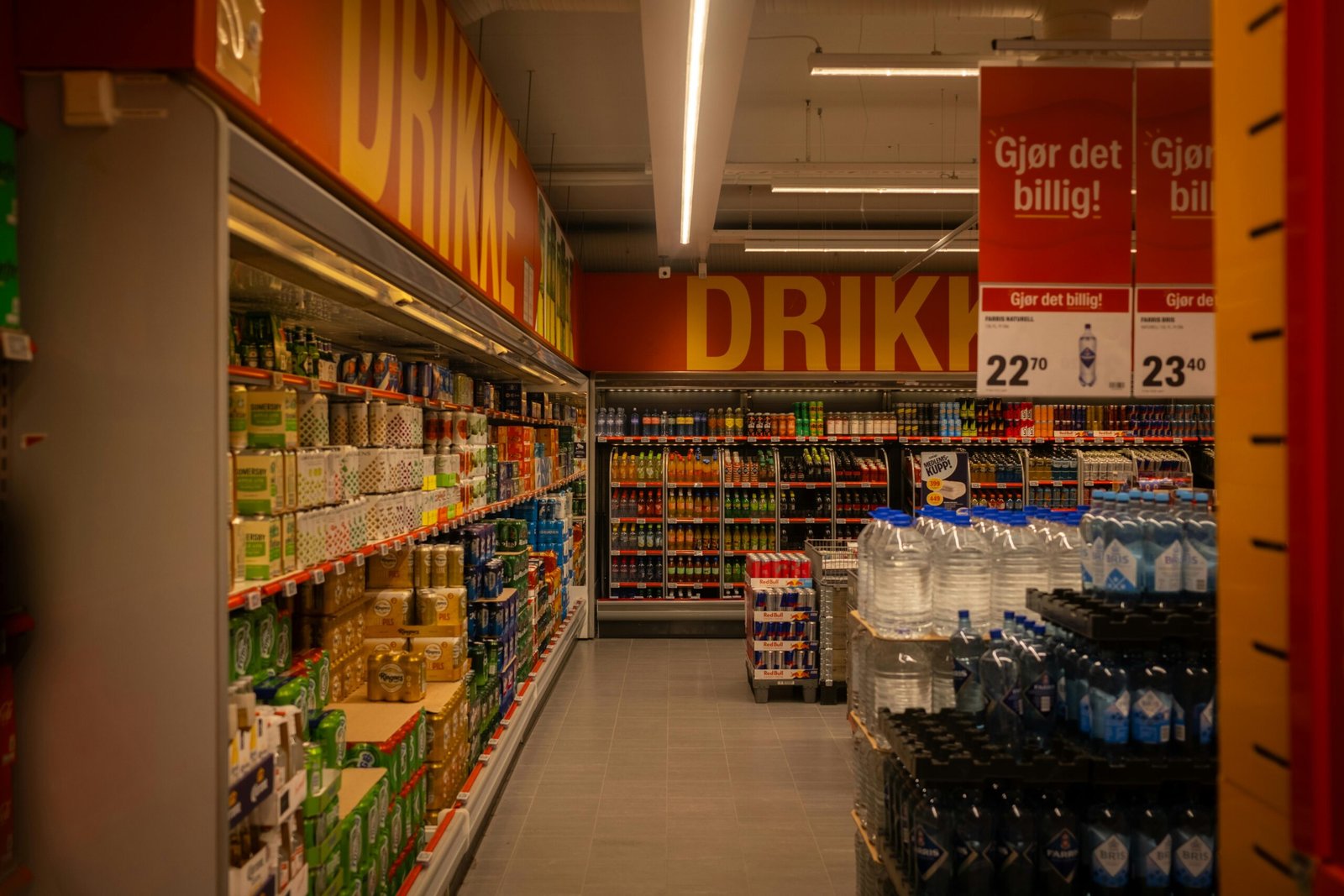
The European beverage industry continues to evolve at a rapid pace. Consumer demand patterns, cross-border trade activity, and retail competition are reshaping how beverage products move across local and international markets. As supply chains become more complex, retailers and importers are increasingly focusing on operational reliability rather than simply sourcing products at the lowest possible cost.
This shift is especially visible within the energy drink and FMCG beverage sectors, where product availability directly impacts retail performance. Convenience stores, supermarkets, wholesalers, hospitality businesses, and food-service operators rely heavily on consistent inventory flow to maintain customer demand and protect profit margins.
In recent years, disruptions affecting global logistics networks have forced many businesses to reevaluate their sourcing strategies. Transportation delays, fluctuating freight costs, inventory shortages, and supply chain instability exposed the weaknesses of fragmented procurement systems that lacked operational flexibility.
As a result, many retailers are now prioritizing partnerships with experienced European beverage distributors capable of maintaining structured supply operations across multiple regions.
The beverage market itself remains highly competitive. Energy drinks continue to rank among the fastest-moving product categories across convenience retail and wholesale distribution channels. Brands such as Red Bull, Monster Energy, Hell Energy, and other functional beverages continue experiencing strong consumer demand throughout Europe and international markets.
For distributors and importers, this growing demand increases the importance of dependable wholesale sourcing and efficient logistics coordination.
One of the key trends driving the industry is the rise of centralized beverage procurement. Instead of relying on multiple fragmented suppliers, businesses are increasingly consolidating sourcing through trusted wholesale partners capable of handling large-scale distribution more efficiently.
This model simplifies inventory management while improving delivery consistency and reducing transportation complexity.
The role of a modern beverage wholesaler has therefore expanded significantly. Today’s buyers expect much more than product availability alone. They also evaluate:
- shipment reliability,
- export experience,
- communication quality,
- warehousing capability,
- lead times,
- and operational transparency.
This is particularly important for retailers operating within fast-moving FMCG environments where inventory interruptions can quickly impact sales performance.
European distribution hubs continue to play a major role in supporting this transition. Germany, the Netherlands, Belgium, and surrounding logistics corridors remain central to international beverage movement due to their strong freight infrastructure and proximity to major retail markets.
Companies operating as a European beverage wholesaler such as Woove GmbH are increasingly positioned within this growing distribution ecosystem by supporting international beverage supply and export coordination across multiple markets.
At the same time, digital transformation is changing how importers and distributors identify suppliers. Businesses now conduct extensive research before entering commercial discussions. Online visibility, product presentation, export capability, and operational credibility have become essential components of modern B2B sourcing.
This has accelerated the importance of professional digital sourcing environments capable of providing international buyers with better access to beverage categories, supply information, and wholesale distribution visibility.
Platforms operating as a wholesale drinks supplier such as Woove Beverages reflect this broader market trend by improving accessibility between global buyers and structured beverage distribution networks.
The expansion of international beverage demand has also created new opportunities within secondary retail channels. Hospitality businesses, event operators, entertainment venues, and independent retailers continue increasing beverage product offerings to meet changing consumer preferences.
This growth creates additional pressure on wholesalers to maintain stronger inventory planning and scalable logistics systems.
Supply chain resilience has therefore become one of the most valuable competitive advantages within the beverage wholesale market. Importers increasingly prefer suppliers capable of maintaining operational consistency during periods of market volatility.
This includes:
- stable product flow,
- efficient export documentation,
- reliable transportation coordination,
- and structured order management.
The ability to execute these functions efficiently has become a major differentiator between professional beverage suppliers and smaller fragmented sourcing operations.
Another important development influencing the market is the growing demand for diversified product sourcing. Retailers increasingly seek suppliers capable of providing multiple beverage categories through centralized procurement relationships.
This simplifies purchasing operations while reducing freight fragmentation and administrative inefficiencies.
As a result, wholesalers with broader distribution access and stronger logistics coordination are gaining increasing importance across international FMCG supply chains.
Sustainability considerations are also beginning to influence beverage distribution decisions more heavily. Transportation efficiency, pallet optimization, and packaging strategies are becoming increasingly relevant as businesses seek to improve operational performance while adapting to changing environmental standards across Europe.
For many retailers and distributors, operational reliability now carries similar importance to pricing itself.
The energy drink sector specifically continues demonstrating strong resilience despite broader economic uncertainty. Demand remains high across:
- convenience retail,
- wholesale distribution,
- hospitality channels,
- and food-service operations.
This continued growth reinforces the importance of scalable beverage distribution infrastructure capable of supporting both regional and international market demand.
Importers are also becoming more cautious regarding long-term supplier relationships. Rather than depending heavily on single-source procurement structures, many businesses are diversifying sourcing partnerships to reduce operational exposure and improve supply chain flexibility.
This trend benefits experienced European wholesalers capable of maintaining reliable cross-border beverage operations.
The future of beverage distribution will likely continue focusing on:
- logistics performance,
- digital accessibility,
- operational transparency,
- and supply chain resilience.
Businesses capable of combining these elements effectively are expected to remain highly competitive as global FMCG markets continue evolving.
For retailers, distributors, and importers operating within increasingly competitive beverage sectors, supplier reliability is no longer viewed as an added benefit. It has become a core strategic requirement for maintaining stable long-term growth.
As the European beverage industry continues expanding, wholesalers operating with structured international distribution systems and scalable logistics frameworks are expected to play an even larger role in supporting the next phase of global beverage trade.