



The luxury fashion industry is much more than about style. It has been a reflection of culture and social attitudes. In recent times, the luxury industry has experienced substantial change. Today’s luxury shoppers do not rely only on logos, season-based designs, or standard markers of prestige. People now demand authenticity, exclusivity, customization, and unique experiences. The changes that luxury brands have had to make have led to an emergence of new fashion trends.
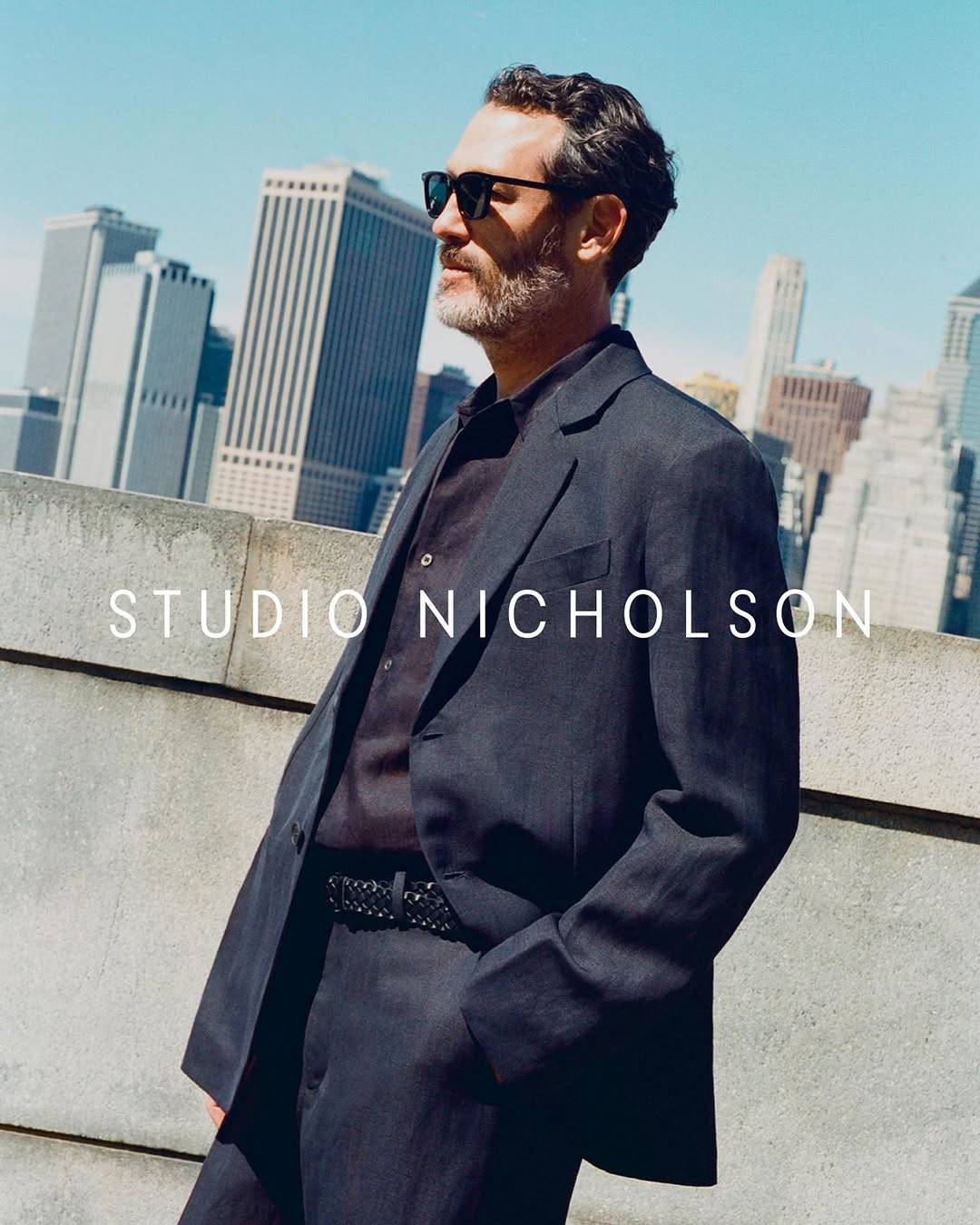
Luxury fashion is being shaped by the rise of quiet luxury. The preference is for understatement when it comes to wearing luxury clothes. Instead of having big brands explicitly visible in clothes, customers who have a lot of money tend to wear classic designs made of premium quality materials. The idea is to emphasise quality and craftsmanship rather than how tacky it is. It represents a culture where confidence is shown through class. What makes a consumer feel luxurious is that the person is wearing something extraordinary, but not everyone recognizing it.
Personalization has become another distinguishing hallmark of luxury. The affluent customers seek tailored products that will meet their demands and satisfy their individuality. Luxury companies have come up with custom tailoring, limited-edition ranges, unique materials, and exclusive shopping opportunities to fulfil the demands of their clients. Furthermore, technology has helped these companies to understand their clients better and provide customized products for them accordingly. Consumers today see personalization as an extension of their identity. It is all about finding the product that matches one’s personality and not necessarily the product that will make people feel better in terms of their social class.
Sustainability has shifted from being a niche topic to becoming one of the most important aspects of luxury fashion. Current consumers who belong to the affluent class are more aware of sustainability issues compared to past generations. This means that they require a certain level of transparency in terms of the origin of the material and the manufacturing process. Some of these brands have embraced sustainability and invested in sustainable materials and manufacturing processes. Sustainability is considered a mark of sophistication since it reflects awareness and forward-thinking.
Another factor that is playing a crucial role in shaping the luxury fashion industry is digital innovation. Technology is being used by the luxury fashion industry to improve customer experience and build an emotional bond with consumers. Virtual showrooms, AI-based styling suggestions, digital fashion experiences, and online campaigns are now commonplace in the industry. Luxury brands need to strike a perfect balance between exclusivity and ease when it comes to their affluent customers because they do not want to compromise on the quality of customer experience.
Status as a concept, too, continues to change. Conventional indicators of wealth still hold their weight, but today’s rich are more concerned about accumulating cultural capital, knowledge, and personality. The trend is away from desiring things that others want and towards the pursuit of new things, innovative designers, and novel luxurious experiences. This has meant that luxury brands have paid increased attention to quality workmanship and heritage. Luxury is now more about substance, not display, and knowledge, taste, and discernment are valued above mere displays of wealth.
This trend of experiencing consumption is also applicable in other lifestyle categories. Modern consumers may embrace a willingness to try new products based on their personal tastes and activities. Within the vaping segment, adult consumers demand convenient, flavourful, and luxurious experiences that suit their lifestyle needs. Learn more about Relx Maxgo Combo 33k Prefilled vape kits to see how luxury fashion trends are shaping the vaping industry. Similar to the luxury fashion industry, the emphasis is not only placed on the product but also on providing a high-quality experience and integrating it into the customer’s routine.
Social influence continues to influence purchasing decisions related to luxury goods. However, the type of influence that affects these decisions is totally different. People nowadays are more likely to turn to their communities, creators, and peer influence rather than relying on endorsements from celebrities only. The key factor here is authenticity. Companies specializing in providing customers with luxury goods start paying much attention to storytelling and building relationships based on honesty and respect. That is because in the world of luxury goods, emotional connection plays an important role.
Eventually, the defining trend in luxury fashion at this point is the redefinition of value itself. Rich consumers are increasingly interested in more quality than quantity, more experience than possession, and more authenticity than visibility. With each of these changes continuing to take place, luxury fashion will continue to be a mirror of culture at large. The brands that recognize this trend will go on to both define and lead future trends.