



What Is Pravi Celer?
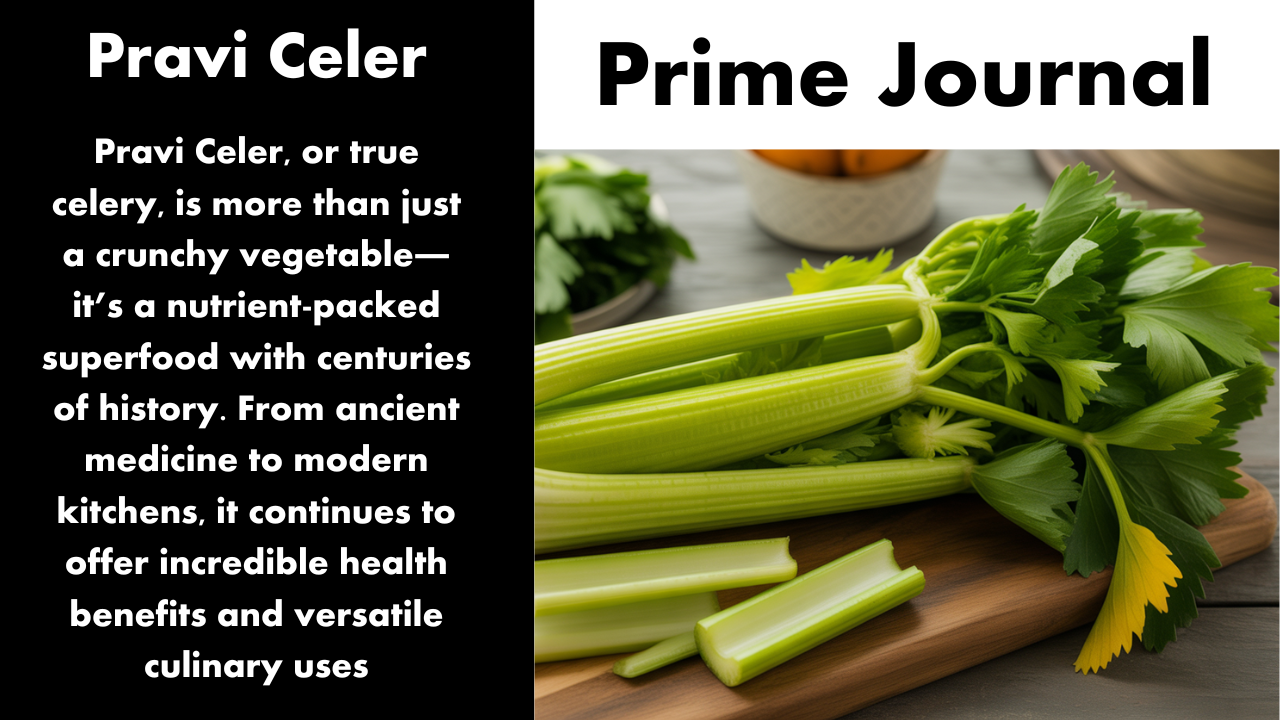
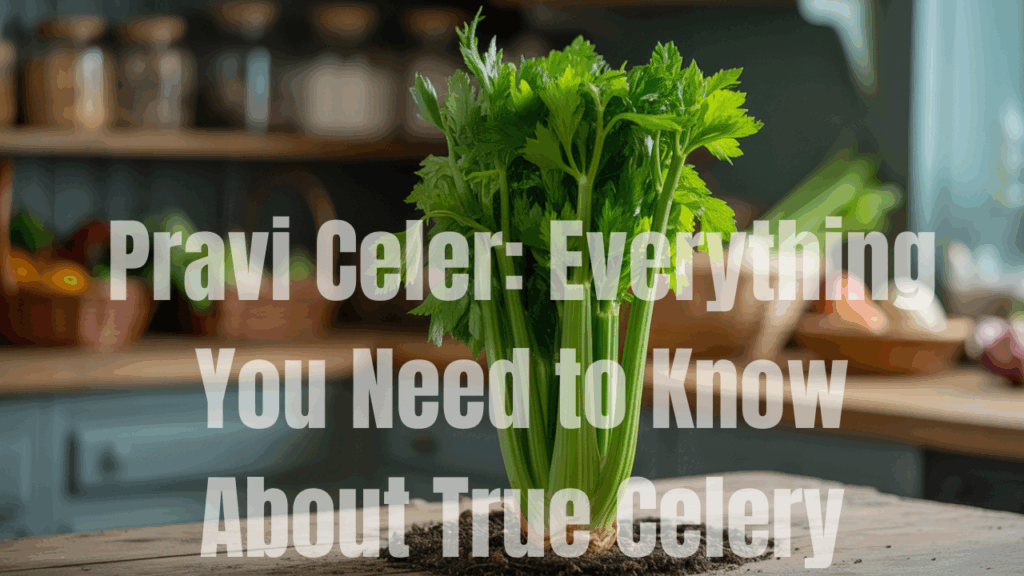
When you hear the term Pravi Celer, you’re essentially talking about true celery—a versatile and nutrient-rich vegetable that has been part of human diets for centuries. Known scientifically as Apium graveolens, celery is much more than just a crunchy salad addition.
From its historical medicinal uses in ancient civilizations to its modern-day health benefits, Pravi Celer is celebrated worldwide for its healing properties, unique flavor, and culinary flexibility.
In this comprehensive guide, we’ll explore everything about Pravi Celer—its origin, nutrition, health benefits, recipes, and growing tips—while also answering the most frequently asked questions.
The Origin and History of Pravi Celer
Celery has a fascinating history that stretches back thousands of years:
- Ancient Egypt: Used as a medicinal plant and offering to the gods.
- Greek & Roman Times: Employed as both food and medicine, often associated with celebrations and funerals.
- Middle Ages: Celery spread across Europe as both a culinary and healing plant.
- Modern Day: Celery is a staple in kitchens, detox diets, and herbal medicine.
According to Wikipedia, celery has been cultivated since antiquity and remains a significant crop worldwide.
Nutritional Value of Pravi Celer
One of the reasons Pravi Celer is so highly regarded is its impressive nutritional profile.
| Nutrient (per 100g raw celery) | Amount | % Daily Value (DV) |
|---|---|---|
| Calories | 16 kcal | 1% |
| Carbohydrates | 3 g | 1% |
| Protein | 0.7 g | 1% |
| Fiber | 1.6 g | 6% |
| Vitamin K | 29.3 µg | 37% |
| Vitamin C | 3.1 mg | 5% |
| Potassium | 260 mg | 6% |
| Folate | 36 µg | 9% |
| Calcium | 40 mg | 4% |
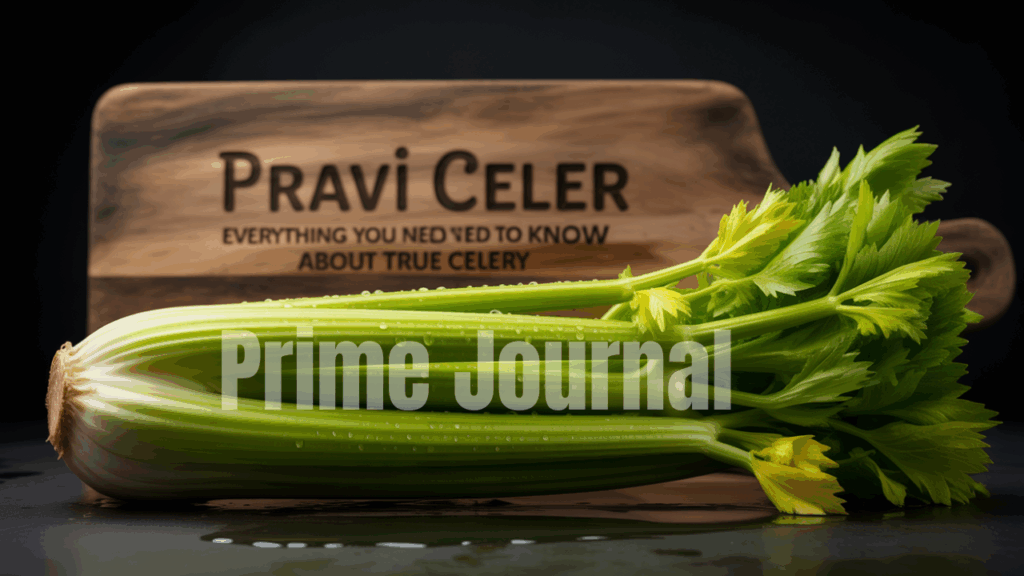
Key takeaway: Celery is low in calories, high in water content, and packed with essential vitamins and minerals.
Health Benefits of Pravi Celer
Eating Pravi Celer regularly has numerous science-backed health benefits:
1. Supports Digestion
Celery contains dietary fiber, which promotes healthy bowel movements and prevents constipation.
2. Hydration Boost
With nearly 95% water content, celery helps maintain hydration, especially in hot climates.
3. Heart Health
The potassium in celery regulates blood pressure, while antioxidants reduce oxidative stress.
4. Anti-Inflammatory Properties
Celery seeds and stalks contain apigenin and luteolin, compounds known to fight inflammation.
5. Weight Management
Its low calorie and high fiber content make celery a great snack for those aiming to lose weight.
6. Detox and Cleansing
Celery juice has gained popularity in detox diets, believed to flush out toxins and improve skin health.
(Related: [10 Superfoods That Boost Immunity]) – Internal link placeholder
Culinary Uses of Pravi Celer
Pravi Celer is a versatile vegetable that can be used in various dishes.
Common Uses
- Raw Snacks: Enjoy with hummus, dips, or peanut butter.
- Soups & Stews: Adds aroma and depth to broths.
- Salads: Provides crunch and freshness.
- Juicing: Celery juice is a trending health drink.
- Seasoning: Celery seeds are used as a spice.
Example Recipe: Celery Detox Juice
Ingredients:
- 4–5 fresh celery stalks
- 1 cucumber
- 1 green apple
- Half a lemon
Instructions:
- Wash all ingredients thoroughly.
- Chop into smaller pieces.
- Blend with water or juice in a juicer.
- Serve chilled.
Growing Pravi Celer at Home
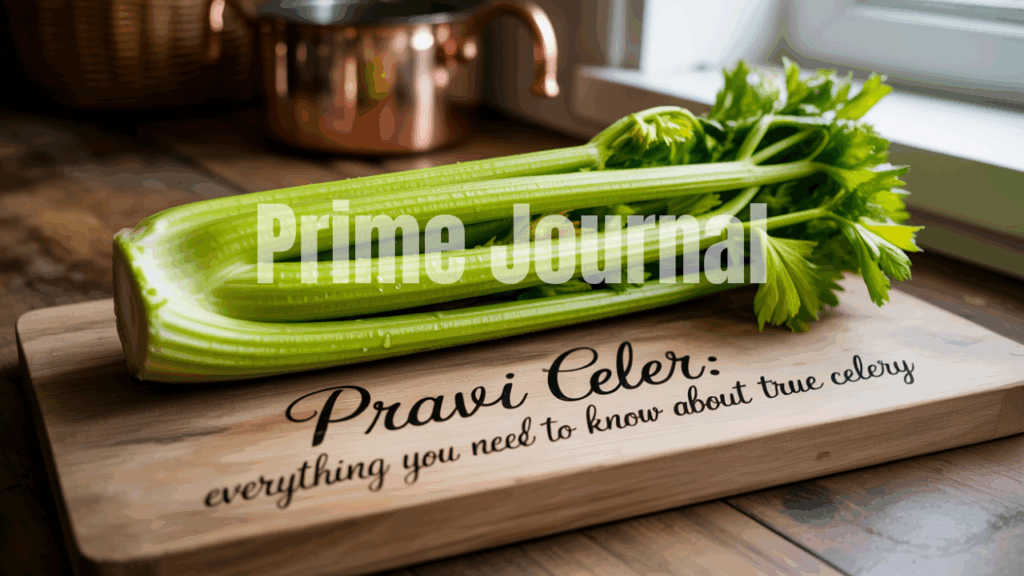
If you’re interested in gardening, celery is a rewarding plant to grow.
Growing Tips:
- Climate: Prefers cool weather (15–20°C).
- Soil: Rich, moist soil with good drainage.
- Watering: Needs consistent watering (celery wilts quickly without it).
- Harvesting: Ready in about 90–120 days.
Fun fact: You can regrow celery at home by placing the base of a used stalk in water for a few days until new leaves sprout!
Pravi Celer in Traditional Medicine
For centuries, celery has been used in herbal medicine:
- Celery Seeds: Used in Ayurveda for joint pain and arthritis.
- Celery Extract: Supports liver function and lowers cholesterol.
- Essential Oil: Helps with anxiety and sleep in aromatherapy.
Possible Side Effects & Precautions
While celery is generally safe, some people should exercise caution:
- Allergic Reactions: Rare but possible, especially in people with pollen allergies.
- Excessive Consumption: Too much celery juice may cause digestive issues.
- Medication Interaction: Celery seed supplements can interact with blood-thinning medications.
Pravi Celer vs. Other Vegetables
| Feature | Pravi Celer (Celery) | Carrots | Spinach |
|---|---|---|---|
| Calories (per 100g) | 16 kcal | 41 kcal | 23 kcal |
| Water Content | 95% | 88% | 91% |
| Best Use | Juicing, salads | Roasting, snacks | Smoothies, salads |
| Key Nutrient | Vitamin K | Beta-carotene | Iron |
FAQ
1. What is the difference between celery and Pravi Celer?
There is no major difference—Pravi Celer simply translates to true celery in some languages.
2. Is celery good for weight loss?
Yes, due to its low calories and high fiber, it keeps you full while aiding digestion.
3. Can you eat celery leaves?
Absolutely! The leaves are edible and rich in vitamins, great for garnishes and soups.
4. How much celery should I eat daily?
1–2 stalks a day are safe and beneficial for most people.
5. Is celery juice better than whole celery?
Juicing removes most of the fiber. While juice is refreshing and hydrating, whole celery offers more digestive benefits.
6. Does celery lower blood pressure?
Yes, compounds like phthalides help relax blood vessels, reducing hypertension.
7. Can celery cause allergies?
Yes, although rare, some individuals may experience itching, swelling, or breathing difficulties.
Conclusion
Pravi Celer isn’t just a crunchy snack—it’s a superfood with centuries of history, proven health benefits, and endless culinary uses. Whether you’re sipping on celery juice, tossing it into soups, or adding crunch to your salad, this humble vegetable deserves a place in your kitchen.
Start small: Add one or two stalks of celery to your daily meals and feel the difference in hydration, digestion, and overall well-being.
If you found this guide helpful, share it with friends and family. And don’t forget to check out our other health and nutrition articles: