




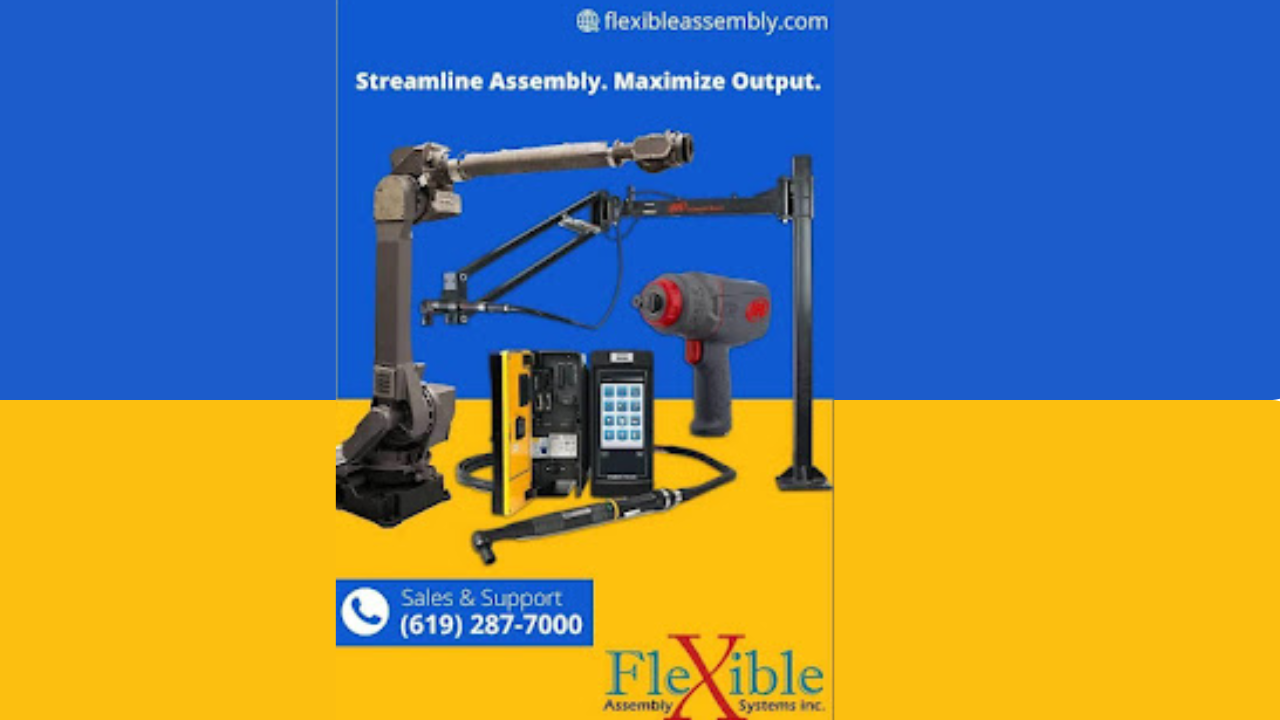
Stripped screws stall lines, damage parts, and drive up cost. A fastener that slips at final torque forces a halt. A joint that cracks under load stops production. You need a system that ensures each bolt meets its torque target and that each fastener arrives in perfect orientation. By pairing precise torque test tools with reliable screw feeders, you cut scrap and idle time. You protect product integrity and keep output on track.
Why Screw Damage Matters?
Screw damage ripples through a line. It causes:
- Rework steps that add labor cost
- Scrap of panels, housings, or chassis
- Quality audits to run longer
- Customer returns for loose or broken joints
A single stripped thread slows multiple stations. Downtime stacks up. Fastener failure in service carries safety risk and warranty expense. Avoid that by tackling root causes with proper tools.
Key Causes of Stripped Screws
Under Torque
When torque falls below target, threads won’t seat fully. Under-torqued joints vibrate loose. Torque drivers that rely on clutch slip risk early cutoff. A tool that lacks repeatability delivers varied results.
Over Torque
Push past yield strength and threads tear. A driver without torque control may spin on once the clutch wears out. A tool without real-time feedback can drive past the set point.
Misalignment at Application
A driver held off-axis puts uneven load on the screw head. That stress peaks at one flank and peels threads. A straight path from bit to fastener neck minimizes side load.
Fastener Defect
Bad screw blanks, chipped heads, or bent shafts feed through a system that lacks detect. A feeder bowl that jams or spins screws can score or crack heads before the driver ever touches them.
Test Tools That Prevent Screw Damage
Proper test tools confirm torque accuracy and tool health before you run high-volume cycles.
Torque Tester
A bench-top or portable torque tester checks a driver at multiple values. You set a calibration value, apply force, and watch actual torque readout. A tester with digital display and data export gives a clear pass/fail report.
Key traits:
- Traceable accuracy within ±1% of full scale
- Multi-point test capability across low, mid, high ranges
- Data log export via USB or network link
Torque Driver with Digital Feedback
A driver that reads its own torque via an internal sensor lets you catch drift in real time. It halts at target and sends a signal back to a controller. That feedback prevents the next cycle until torque meets spec.
Top features:
- Instant back-off when torque falls outside tolerance
- Output via discrete line or fieldbus protocol
- Memory of target values and event count
Fastener Quality Gauge
A simple gauge verifies head dimension, thread pitch, and shaft length. Before screws reach the feeder, an operator or an automated arm checks each batch. Reject any screw that falls outside a 0.05 mm tolerance band.
Vibration Sensor on Feeder Bowl
A sensor on the feeder bowl tracks vibration amplitude. A drop in amplitude signals a jam. You pause feed before screws stack up and scratch heads.
Feeder Tools for Smooth Fastener Supply
A feeder delivers one screw at a time. It avoids double-feed, misfeed, and orientation errors that cost time and torque integrity.
Vibratory Bowl Feeder
A circular bowl uses low-amplitude vibration to guide screws up a spiral track. Outlets at the rim handle one head-first screw at a time.
Options to consider:
- Bowl diameter matched to screw mix
- Lane count set to screw count in a cycle
- Inlet sensor that blocks driver trigger until a screw ready flag appears
Linear Track Feeder
A sloped plastic track uses gravity and a gentle push bar to move screws in a single file. A photoelectric sensor at the chute triggers the driver.
Advantages:
- Quick swap of track inserts for different screw lengths
- Low noise and no metal bounce
- Minimal wear on fasteners
Controlled Chute Feed
A chute with an air jet or pusher plate ejects one screw onto a pick point. The driver picks the screw from a fixed cup. This method suits very small or very large screws that don’t align well in a bowl.
Features:
- Adjustable pusher force to avoid head damage
- Cup or gripper size matched to each head profile
- Quick-change adapter plates
Best Practices for Tool Selection
- Match torque range to fastener specs. A 1–5 N·m driver won’t hold accuracy at 15 N·m
- Check tool form factor fits fixture access angle
- Confirm feeder lane geometry suits your screw head and shaft
- Specify test tool accuracy traceable to national standard
- Choose driver models with fieldbus support if you use a networked controller
- Require a feeder that offers part-history logs or jam counts
Integration Steps for Your Line
- Map each joint to a torque target and bit type
- Assign a driver and feeder model to each station
- Wire control lines: start signal, torque-OK feedback, and feeder-present flag
- Add a central HMI screen to reset torque values and view jam alarms
- Run a short trial of 100 cycles at each station
- Collect torque data and jam reports, adjust tool setup as needed
A phased rollout across cells keeps production flowing. A single-station pilot highlights any fit or vibration issues before a full-scale launch.
Maintenance Tips for Maximum Uptime
Calibrate each driver every six months or after 100,000 cycles
- Swap out bits and adaptors at first sign of wear
- Clean feeder tracks and bowl interior at shift start
- Inspect sensors and cable connections daily
- Keep a small stock of spare tool cables, bits, and feeder inserts
A tool that runs without hiccup holds torque more accurately and feeds fasteners without damage.
Why Choose Flexible Assembly Systems?
Flexible Assembly Systems delivers a full suite of test and feed tools with service that keeps lines moving:
- A comprehensive tool catalog covering 0.1 N·m to 50 N·m ranges
- Custom feeder bowls and tracks built for any screw head or shaft
- Onsite setup support that fine-tunes tool and controller parameters
- Calibration service at your site or at our ISO/IEC 17025 lab
- A secure web portal for tool fleet data, maintenance alarms, and part orders
Partner with a team that sets torque targets, clears jams, and tracks each fastener through production. You’ll hit output goals and tighten every joint without damage.
Final Advice
Prevent screw damage by pairing precise torque test tools with reliable feed systems. Choose drivers that halt at target and log results. Use feeders that deliver one screw at a time in perfect orientation. Follow a strict maintenance plan and calibrate tools on schedule. When you tie test and feed together under a single controller, you cut scrap and downtime. Every joint meets its torque value, and every screw arrives intact. That’s how you maintain a smooth, efficient line with zero stripped threads.