




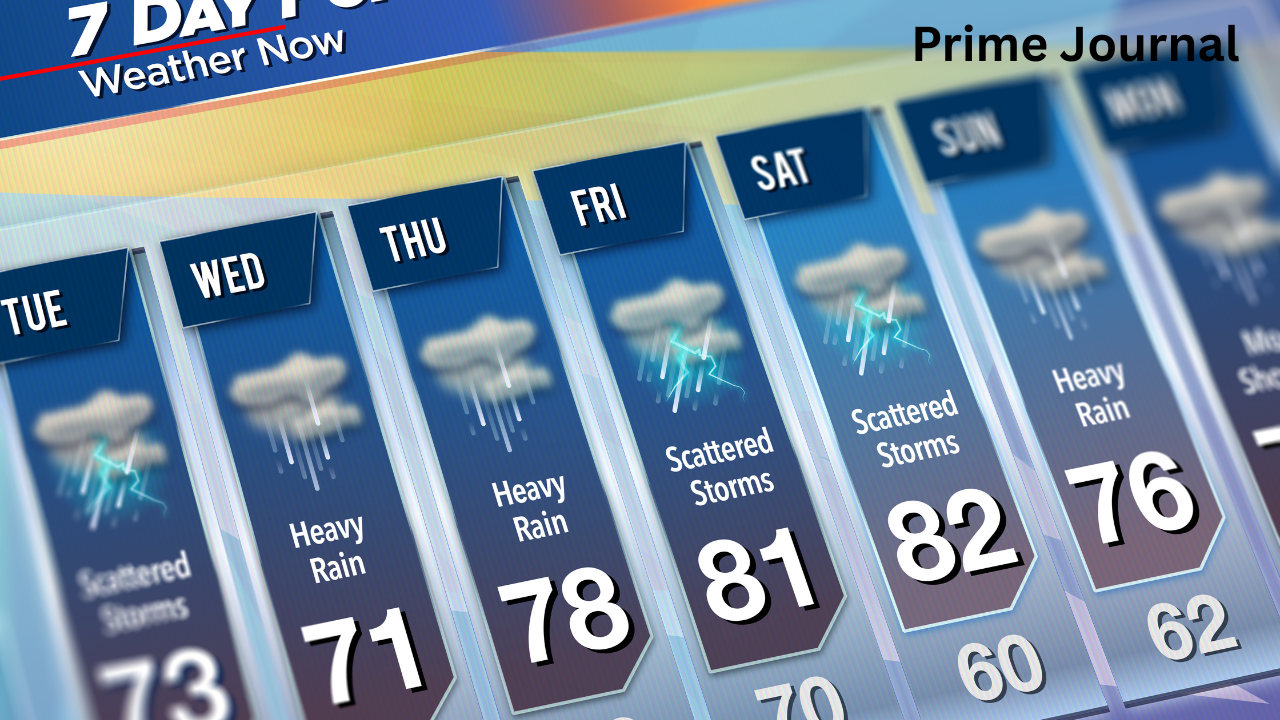
Is the weather just acting up or are we missing something?
Every day, people check the weather. Whether it’s sunny skies or thunderstorm warnings, the weather decides what you wear, how you travel, and what activities you plan. But have you ever stopped and asked: What exactly causes all this change? Why is the weather so different from one region to another, and how does it impact life in both subtle and extreme ways?
Let’s dive deep into the world of the weather to uncover its secrets, patterns, and powerful influence.
What exactly is weather?
Weather is the condition of the atmosphere at a specific time and place. It includes temperature, humidity, precipitation, wind, visibility, and pressure. You see weather outside your window — cloudy skies, rainfall, a chilly breeze, or a scorching sun. Unlike climate, which describes long-term trends, weather changes every hour and every day.
When you say “it might rain today,” you’re talking about the weather, not the climate. That distinction is important because while climate determines what kind of weather you generally expect, only the weather tells you what’s actually happening right now.
Why does the weather change so often?
The answer lies in movement — of air, moisture, and energy. The Earth’s rotation, its tilted axis, and the way the sun heats different areas unevenly all combine to create pressure differences in the atmosphere. These pressure changes push air masses around, and when warm air meets cold air, weather events form.
Wind patterns, ocean currents, and mountain ranges also play huge roles in shaping local weather. A coastal town might experience constant humidity, while a desert city sees dry and hot days year-round. It’s the same planet, but thanks to topography and global air circulation, the weather feels entirely different.
Can we predict the weather accurately?
Short answer: Yes, but not perfectly.
Meteorologists use radar systems, satellites, computer models, and historical data to make forecasts. For the next 24 to 48 hours, weather predictions are often highly accurate. But after that, confidence drops. Even a 7-day forecast can shift as new data arrives.
Extreme weather events like hurricanes, tornadoes, or blizzards can sometimes be predicted days in advance. But sudden changes in wind direction, temperature gradients, or atmospheric pressure can flip forecasts quickly. That’s why you might see your app say “sunny” in the morning and “thunderstorms” by noon.
What causes extreme weather?
Extreme weather includes phenomena like floods, droughts, hurricanes, and snowstorms. These are not just dramatic natural events — they often impact lives, agriculture, infrastructure, and economies.
Some of the causes include:
- High moisture and heat: These fuel tropical storms and hurricanes.
- Jet streams: Fast-moving air currents can pull cold air down or keep warm air trapped.
- Climate anomalies: Events like El Niño and La Niña shift global weather patterns, bringing floods to some areas and droughts to others.
Extreme weather is becoming more frequent. Scientists believe global warming contributes to this by adding more energy and moisture to the atmosphere, which increases the chances of intense storms and heatwaves.
How does the weather affect you every day?
You probably decide your outfit based on the weather. But beyond that, it affects:
- Your health – Cold weather brings flu season, while hot days can cause heat exhaustion.
- Your mood – Gloomy skies can reduce motivation; sunny days often improve mood.
- Transportation – Flights, trains, and roads are all impacted by weather delays or hazards.
- Agriculture – Crops grow based on seasonal weather. A surprise frost or dry spell can damage entire harvests.
Even things like shopping behavior change with the weather. People buy more ice cream during heatwaves and more heaters when cold snaps hit. The weather even influences electricity demand and energy consumption patterns.
Is the weather becoming more unpredictable?
That’s a common concern. Many feel that storms are stronger, summers are hotter, and winters are colder. This isn’t just perception — scientific data supports it. While weather has always had some unpredictability, rising global temperatures are making weather systems more volatile.
More evaporation leads to more moisture in the air. More moisture often means more rain and snow — and stronger storms. Heatwaves are becoming longer and more dangerous. And the once-predictable seasonal weather patterns are shifting, leaving farmers, planners, and everyday citizens trying to adapt.
What tools help track the weather?
Several tools are essential in monitoring and forecasting the weather:
- Satellites: Monitor cloud formation, storm activity, and temperature changes.
- Radars: Track rainfall and storm intensity in real-time.
- Weather balloons: Gather data about pressure, temperature, and humidity from the upper atmosphere.
- Doppler systems: Detect rotation in storm systems, which can signal tornado formation.
You benefit from all this technology every time you check a weather app or hear a forecast on the radio or TV.
Why do people rely so much on local weather?
Because the weather is deeply local. The difference of a few miles can mean no rain or heavy downpour. That’s why search terms like “weather in London” or “weather today near me” are so popular.
Businesses also depend on hyper-local weather data. Farmers track rainfall and frost dates. Delivery companies adjust routes to avoid snow. Event planners consider wind and sun exposure.
So while global weather trends matter, it’s the weather at your doorstep that shapes your decisions.
How can you prepare for unpredictable weather?
Preparedness is everything. Here’s how you can stay ahead:
- Use a reliable weather app with radar features and alerts.
- Create a seasonal plan — know how to dress, drive, and act during seasonal extremes.
- Keep emergency kits for storms, floods, or heatwaves.
- Stay updated with local news when severe weather approaches.
Is the future of weather technology promising?
Absolutely. Forecast models are getting better with AI and machine learning. Data is becoming more precise. Apps are offering real-time radar overlays and push alerts for severe weather. Future tech may even include wearable sensors or augmented reality forecasts.
As technology evolves, so does our understanding and prediction of the weather, giving people more control and confidence in their daily decisions.
Final Thought: Why you should pay more attention to the weather
The weather is not just a backdrop to your day — it’s one of the most powerful, immediate forces in your life. It shapes your routines, your health, and even your economy. From daily plans to long-term decisions, understanding the weather empowers you.
So next time you check the weather, remember — it’s more than just numbers and icons. It’s a reflection of the Earth in motion, and it deserves your attention.
FAQs
1. Weather tomorrow
Tomorrow’s weather depends on your location, but it usually includes temperature, rain chances, and wind forecasts. Check a trusted source like BBC Weather or a local app for real-time details.
2. BBC weather
BBC Weather offers accurate and up-to-date forecasts for locations worldwide, including hourly and 10-day forecasts.
3. Weather Today
Today’s weather covers current temperature, cloud cover, wind, and rain. Use a live forecast service for updates throughout the day.
4. BBC weather London
BBC Weather provides reliable London forecasts with hourly and 7–10 day outlooks including rain, wind, and UV levels.
5. Weather in London 10 days
The 10-day London forecast shows daily highs and lows, rain chances, and any major changes in weather trends.
6. Weather London 14 days
This extended forecast gives a general outlook for two weeks, helping you plan travel or outdoor events in advance.
7. Weather-Brighton
Brighton’s weather usually includes coastal breezes with variable clouds and temperatures; check daily for sudden changes.