




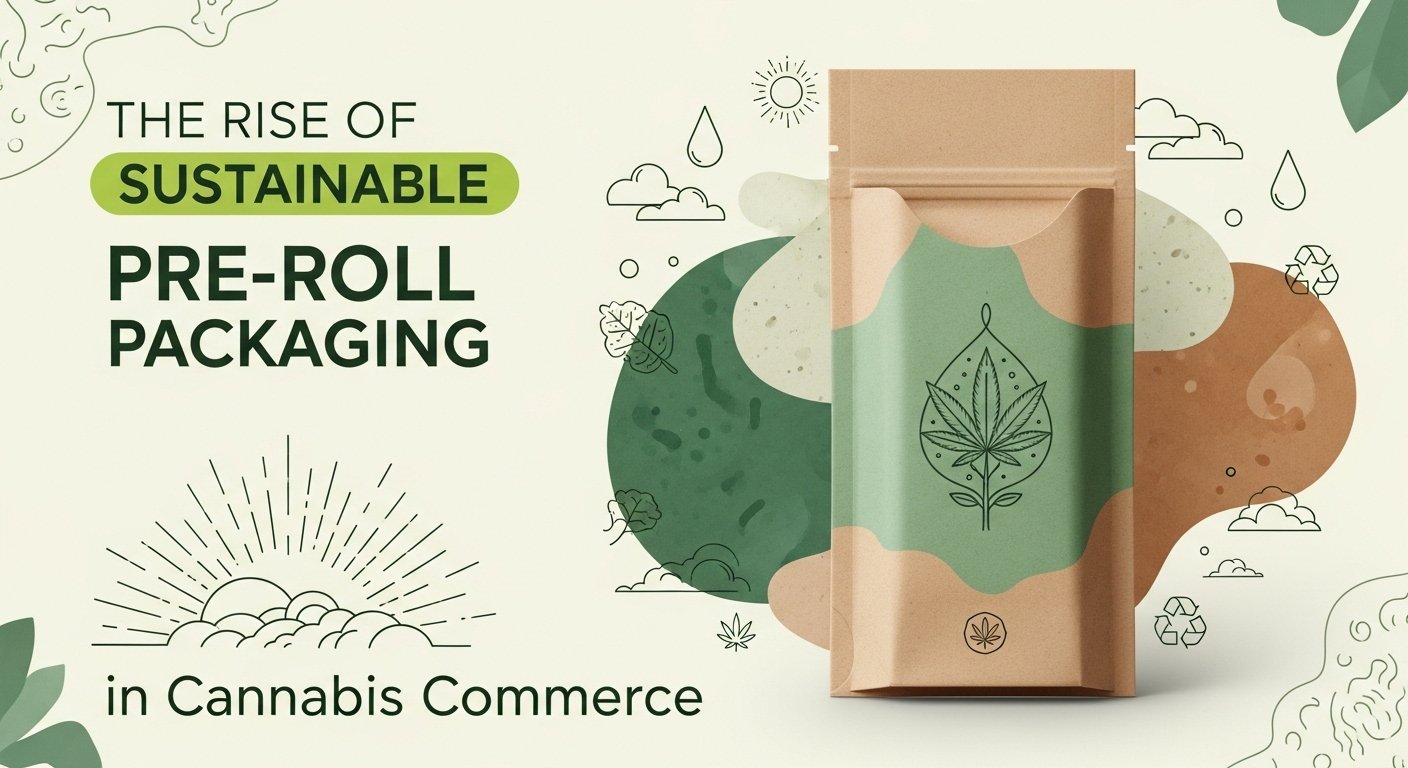
The cannabis industry stands at a crossroads between rapid commercial growth and environmental responsibility. As legalization expands across North America and beyond, the sector’s packaging waste has become impossible to ignore. Pre roll packaging, in particular, represents both a challenge and an opportunity—these small tubes and containers accumulate quickly, yet they’re also where many brands are pioneering sustainable solutions that could reshape industry standards.
The shift toward eco-friendly packaging isn’t merely about optics. It reflects genuine pressure from regulators tightening waste requirements, consumers demanding accountability, and businesses recognizing that sustainability can drive both cost savings and brand differentiation. This article examines why sustainable pre-roll packaging matters, how custom designs strengthen brand identity while meeting compliance standards, and what innovations are defining the industry’s environmental future.
Why Traditional Packaging Falls Short
Conventional pre roll packaging has long relied on petroleum-based plastics—materials chosen for their low cost and protective qualities rather than their environmental impact. These containers persist in landfills for centuries, leaching chemicals as they slowly degrade.
The cannabis industry’s packaging problem is compounded by regulatory requirements that often mandate substantial material use for child safety and product protection. This creates a tension: how do brands meet legal standards while reducing environmental harm?
Sustainable packaging addresses these concerns through several mechanisms:
- Material Innovation: Biodegradable plastics derived from plant starches, recycled paper composites, and hemp-based materials break down naturally without releasing toxins.
- Waste Reduction: Minimalist designs that use less material while maintaining protective integrity reduce the overall environmental footprint.
- Circular Economy Integration: Recyclable and reusable containers keep materials in productive use rather than sending them to landfills.
- Consumer Alignment: 73% of consumers would change their consumption habits to reduce environmental impact, creating market incentives for sustainable choices.
Custom Packaging as Brand Differentiation
In saturated cannabis markets where product quality has largely plateaued, packaging has emerged as a critical differentiator. Custom pre roll packaging serves dual purposes: it protects the product while communicating brand values before a customer ever opens the container.
Effective custom packaging strategies include:
- Visual Storytelling: Design elements that convey a brand’s sustainability commitment—earthy color palettes, minimalist aesthetics, or transparent material choices that literally show there’s nothing to hide.
- Tactile Experience: Textured papers, smooth bamboo finishes, or innovative closures create memorable physical interactions that distinguish premium products.
- Information Architecture: Thoughtfully organized labels that present required compliance information clearly while maintaining visual appeal.
- Consistency Across Touchpoints: Packaging that aligns with broader brand identity, from dispensary displays to social media presence.
This approach resonates particularly with younger consumers who view purchasing decisions as value statements. A well-designed sustainable package signals that a brand shares their environmental priorities, building loyalty that transcends individual transactions.
Material Alternatives Reshaping Pre Roll Tubes
Pre roll tubes have traditionally been manufactured from polypropylene or similar plastics chosen for durability and moisture resistance. The industry is now exploring alternatives that maintain these functional benefits while dramatically reducing environmental impact.
Leading sustainable materials include:
- Plant-Based Bioplastics: Derived from corn starch, sugarcane, or other renewable resources, these materials biodegrade under proper conditions while offering comparable protection to conventional plastics.
- Reclaimed Ocean Plastic: Some manufacturers are incorporating plastic recovered from marine environments, addressing pollution while creating functional packaging.
- Hemp Composites: Cannabis-derived hemp fiber creates a circular economy within the industry, using agricultural byproducts for packaging materials.
- Glass and Metal: Though heavier and more expensive, these materials offer infinite recyclability and premium positioning for high-end products.
- Mushroom Mycelium: Emerging technologies are growing packaging from fungal networks that completely decompose after use.
Each material presents trade-offs in cost, performance, and environmental benefit. Cannabis brands can explore pre-roll tube material alternatives from Sana Packaging, Pollen Gear, or Hemp & Company for sustainable packaging solutions.
Navigating Compliance Without Compromising Sustainability
Cannabis packaging regulations exist for legitimate public health reasons—preventing child access, ensuring accurate product information, and maintaining discretion. These requirements can seem at odds with sustainability goals, but thoughtful design reconciles both imperatives.
Key regulatory considerations include:
- Child-Resistant Mechanisms: Closures must meet CPSC standards, which traditionally favored plastic designs. New innovations use sustainable materials in configurations that pass safety testing.
- Opacity Requirements: Many jurisdictions mandate that packaging conceals contents, which can complicate the use of certain biodegradable materials. Printed papers and plant-based coatings offer compliant solutions.
- Labeling Mandates: Required information about potency, ingredients, and warnings must remain legible throughout the product’s shelf life, necessitating durable printing methods on sustainable substrates.
- Tamper Evidence: Seals and closures must clearly indicate if a package has been opened, a feature that sustainable materials can incorporate through innovative design.
Brands must stay current with evolving regulations, which vary significantly by jurisdiction and change frequently as the industry matures. Working with packaging specialists who understand both compliance and sustainability prevents costly redesigns and regulatory violations.
Conclusion: Packaging as Environmental Leadership
Sustainable pre-roll packaging represents more than an operational detail—it’s where cannabis brands demonstrate whether their values extend beyond marketing language into tangible environmental impact. The industry’s rapid growth creates urgency around these decisions, as packaging choices made today will literally persist for generations.
The path forward requires balancing multiple imperatives: regulatory compliance, product protection, brand differentiation, cost management, and genuine environmental responsibility. Brands succeeding at this balance don’t treat sustainability as a constraint but as a design challenge that drives innovation.
As material science advances and consumer expectations evolve, the definition of acceptable packaging will continue shifting toward greater sustainability. Companies investing now in eco-friendly solutions, supplier relationships, and design expertise position themselves to lead rather than follow this transition.
The cannabis industry has an opportunity to set new standards for consumer goods packaging—to prove that a young industry can build sustainability into its foundation rather than retrofitting it later. Pre-roll packaging, despite its small size, plays an outsized role in determining whether the industry seizes that opportunity or repeats the wasteful patterns of the past.