





Workplace disputes are inevitable — whether it’s a misunderstanding over responsibilities, personality clashes, or disagreements about project direction. If you’re searching for how do you handle a workplace dispute EWMagWork, you’re in the right place. In this comprehensive, SEO‑optimized guide, we’ll walk you through everything you need to know about workplace conflict resolution — from prevention to mediation to legal concerns — written in a clear, practical, human‑friendly tone.
Note: Throughout this article, we’ll use trusted best practices and expert insights to help you understand and manage workplace disputes effectively.
What Is a Workplace Dispute?
A workplace dispute is any disagreement or tension between employees, managers, teams, or departments that interferes with productivity, morale, or office harmony. Disputes range from minor misunderstandings to major clashes about roles, expectations, or workplace policies.
For background on formal dispute resolution frameworks outside of the workplace context, see Mediation on Wikipedia.
Why Workplace Disputes Happen
Workplace conflicts arise for many reasons. Understanding the root causes can help you prevent them before they escalate.
Common Causes of Workplace Disputes
| Cause | Example |
|---|---|
| Miscommunication | Emails misread; unclear instructions |
| Personality Clashes | Differing work styles or attitudes |
| Role Confusion | Overlapping duties or unclear responsibilities |
| Competition | Rivalry over recognition or resources |
| Policy Disagreements | Disputes about rules or company standards |
By identifying what sparks conflict, you can address issues before they turn into full‑blown disputes.
How Do You Handle a Workplace Dispute EWMagWork – 9 Proven Strategies
Here are nine practical and effective strategies for handling workplace disputes:
1. Encourage Open Communication
Encourage employees to express concerns transparently. Open dialogue helps clear up misunderstandings before they escalate. Managers can foster this by scheduling team check‑ins and having an open‑door policy.
Example: Weekly team huddles that invite feedback reduce tension and build trust.
2. Listen Actively and Empathetically
Active listening means giving your full attention without interrupting or prematurely judging. This helps both sides feel valued and heard.
Pro tip: Reflect back what you hear (“What I’m hearing is…”). This shows understanding and builds rapport.
3. Stay Professional and Neutral
When emotions run high, stay calm. Don’t take sides or let your emotions dictate your responses. Maintain professionalism and focus on resolving the issue, not winner‑taker outcomes.
4. Use “I” Statements Instead of “You”
Framing conversations with “I feel…” instead of “You did…” reduces defensiveness and opens the door to productive discussion.
5. Set Clear Expectations and Ground Rules
Before a resolution meeting, agree on rules — like no interrupting, staying on topic, and limiting the time. This ensures civility and structure.
6. Explore Mediation
If direct discussion doesn’t work, introduce a neutral third‑party mediator — a trained individual who can guide the conversation toward agreement. Mediation is a structured form of dispute resolution often used when parties can’t resolve issues on their own.
7. Use Structured Conflict Resolution Techniques
Common conflict resolution styles include:
| Strategy | When to Use |
|---|---|
| Collaborating | When both sides want a win‑win outcome |
| Compromising | When time is limited and concessions are needed |
| Avoiding | For minor conflicts that may resolve with time |
| Competing | When quick decisions are necessary |
8. Document Agreements and Follow Up
Create written summaries of resolution agreements and check in after implementation. This builds accountability and ensures the dispute stays resolved.
9. Train Leaders in Conflict Management
Invest in conflict management training so managers can identify early signs of disputes and handle them effectively. Regular training builds skills that prevent conflicts from escalating.
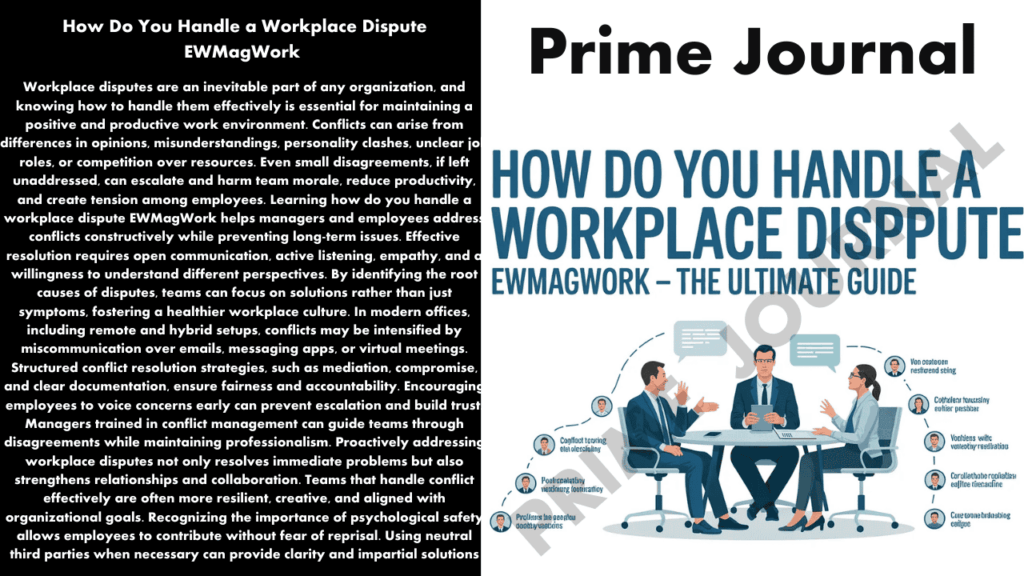
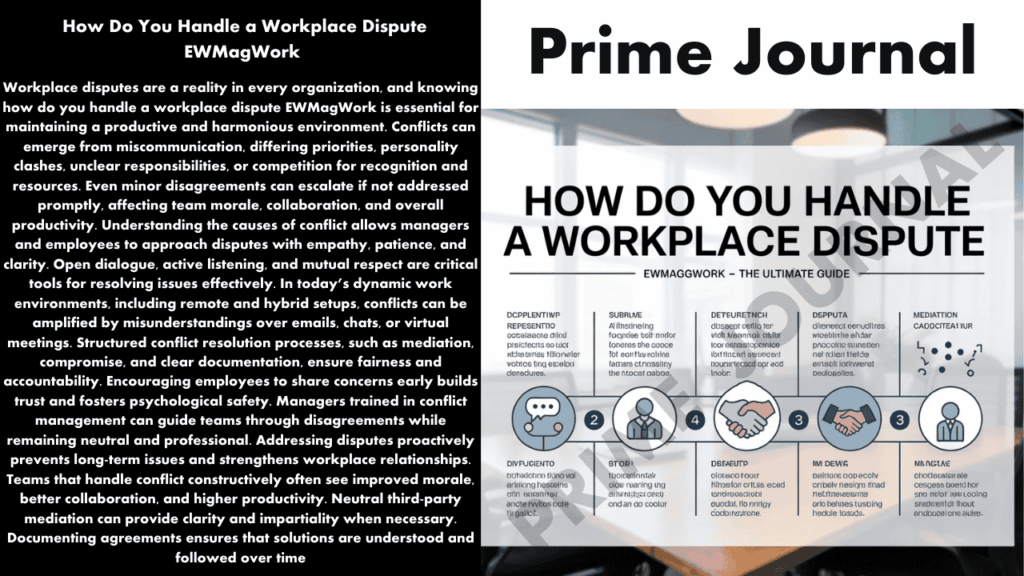
Step‑by‑Step Dispute Resolution Process
Here’s a practical guide you can follow:
Step 1: Recognize and Identify the Issue
Be alert to early signs like avoidance, tension, or reduced collaboration.
Step 2: Private Listening Sessions
Speak to each individual separately in a neutral, private environment to understand perspectives.
Step 3: Joint Discussion
Bring conflicting parties together with ground rules and focus on mutual respect.
Step 4: Brainstorm Solutions
Collaboratively explore alternative resolutions and agree on actionable steps.
Step 5: Document and Monitor
Record the solution, assign tasks if needed, and follow up after a set time to ensure resolution.
Handling Disputes in Remote or Hybrid Work Environments
Remote work introduces unique challenges like tone misinterpretation and communication delays. Here’s how to manage remote disputes:
- Use video calls instead of text when possible.
- Keep communication clear and documented.
- Leverage team collaboration tools thoughtfully and proactively.
Legal Considerations and When to Escalate
Some disputes may involve legal concerns, such as harassment or discrimination. When you encounter issues like these:
- Consult your company’s HR policies.
- Involve legal counsel if necessary.
- Follow statutory dispute resolution procedures.
For more on mediation as a legal dispute method, read Mediation (Wikipedia).
Benefits of Effective Conflict Resolution
When disputes are handled well, your workplace gains:
- Higher morale and job satisfaction
- Better productivity and collaboration
- Lower turnover
- Stronger organizational culture
FAQ
1. What’s the first step in handling a workplace dispute?
The first step is to acknowledge the issue and encourage open communication between parties. Listen actively and define the core problem before proposing solutions.
2. Should managers always mediate disputes
Not always. For simple disagreements, encouraging direct dialogue is often enough. Use mediation when direct conversation fails or when tensions are high.
3. How do you handle disputes with no HR department
Escalate to trusted leadership, use documented policies, or seek external mediation or legal advice if the conflict involves serious issues.
4. Can workplace disputes be prevented?
Yes — through clear communication, strong policies, and training that fosters respect and understanding.
5. When is it appropriate to escalate a dispute legally?
If the conflict involves harassment, discrimination, or unsafe working conditions, it’s crucial to follow formal grievance procedures and consult HR or legal counsel.
Conclusion
Workplace disputes don’t have to harm your company culture or performance. By understanding how do you handle a workplace dispute EWMagWork, applying structured conflict resolution tactics, and fostering open communication, you can turn conflicts into opportunities for growth and collaboration.