


In today’s competitive digital landscape, Software-as-a-Service (SaaS) companies face a unique challenge: how to stand out in a crowded market. Simply building a great product is not enough. You need a strong, structured SaaS content strategy that engages your audience, drives traffic, and converts leads into loyal customers.
At Novalab SEO Agency, we specialise in helping SaaS businesses craft content strategies that generate measurable results. In this article, we’ll share 10 proven tips for creating a successful SaaS content strategy, with actionable insights you can implement immediately.
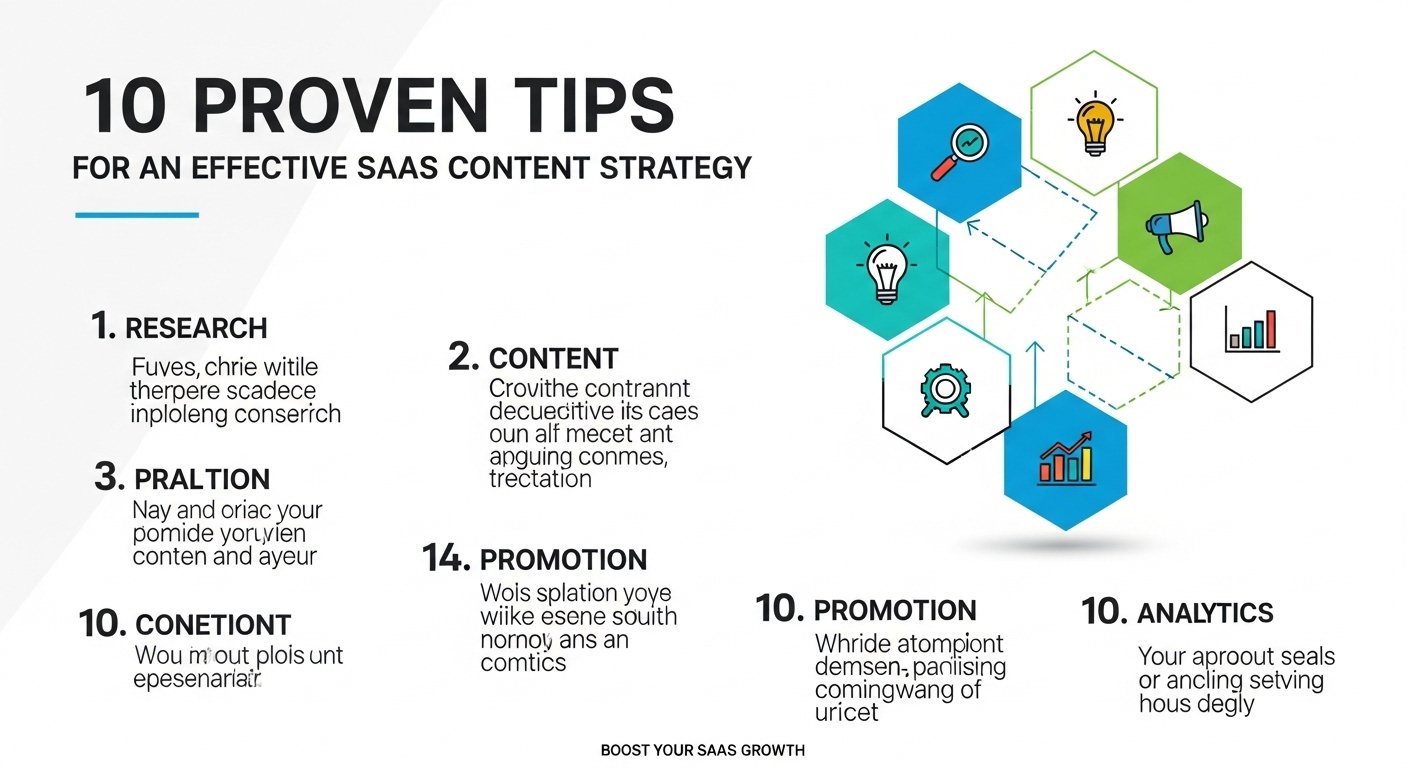
1. Understand Your Audience Inside Out
The cornerstone of any successful SaaS content strategy is understanding your audience. You need to know who they are, what challenges they face, and what solutions they are looking for.
Start by creating detailed buyer personas. Include:
- Demographics: Age, location, job role, and industry
- Goals and Objectives: What they hope to achieve using your product
- Pain Points: Problems your SaaS product can solve
- Content Consumption Habits: Which channels they prefer and how they make purchasing decisions
When you truly understand your audience, every piece of content you create will be more targeted and impactful. This approach reduces wasted effort and increases the likelihood of meaningful engagement and conversions.
2. Set Clear, Measurable Goals
Your content should have a purpose. Without goals, even high-quality content may fail to produce results. Ask yourself: What do you want your SaaS content strategy to accomplish?
Some common objectives include:
- Increasing organic traffic to your website
- Generating high-quality leads
- Educating customers on your product features
- Reducing churn through effective onboarding content
Using the SMART framework—Specific, Measurable, Achievable, Relevant, Time-bound—ensures your content strategy is focused and outcomes are measurable.
3. Map Your Content to the Customer Journey
SaaS buyers don’t make decisions instantly. They go through a multi-stage journey, and your content should align with each stage.
Awareness Stage: Prospects are discovering solutions. Create blog posts, social media updates, and educational videos that explain your product’s value.
Consideration Stage: Prospects are evaluating options. Provide case studies, webinars, and comparison guides that demonstrate how your solution addresses their needs.
Decision Stage: Prospects are ready to buy. Offer product demos, free trials, and testimonials to push them toward conversion.
Mapping content to the customer journey ensures your audience receives the right message at the right time.
4. Prioritise Educational Content
SaaS products are often complex. Educational content helps potential customers understand how your product works and how it can solve their problems.
Examples of educational content include:
- How-to guides and step-by-step tutorials
- Explainer blog posts and videos
- Product walkthroughs and FAQs
For example, if you offer a project management tool, create content like “How to Improve Team Productivity” or “A Complete Guide to Remote Project Management.” Educational content not only demonstrates your expertise but also builds trust, increasing the likelihood of conversions.
5. Optimise for Search Engines
SEO is critical for driving organic traffic. Without it, even the best content may never reach your audience.
To optimise your SaaS content strategy:
- Conduct keyword research to identify high-value search terms
- Optimise meta titles, descriptions, and headings for SEO
- Use internal linking to connect related content and guide readers
- Focus on long-tail keywords to target specific customer queries
A solid SEO foundation ensures your content is discoverable, attracting the right audience and generating qualified leads.
6. Diversify Content Formats
People consume content differently. A multi-format approach keeps your audience engaged and helps you reach more prospects.
Consider:
- Blogs: For thought leadership and SEO
- Videos: To explain complex concepts or demonstrate product features
- Webinars: For interactive education and lead generation
- Case Studies: To show real-world success stories
- Infographics: To present data in an easily digestible way
- Podcasts: To engage audiences who prefer audio content
Diversifying formats not only improves engagement but also strengthens your brand presence across multiple channels.
7. Promote Your Content Strategically
Creating content is only half the battle. Without promotion, it may go unnoticed.
A comprehensive promotion plan should include:
- Social Media: Share content on platforms where your audience is active, such as LinkedIn, Twitter, or Facebook
- Email Marketing: Segment your audience and send personalised content based on their interests
- Paid Advertising: Use retargeting ads to bring back visitors who didn’t convert initially
- Partnerships and Collaborations: Work with influencers or other SaaS brands to expand your reach
Promotion ensures that your content reaches the right people at the right time, amplifying its impact.
8. Analyse and Improve Continuously
A successful SaaS content strategy relies on ongoing analysis and optimisation. Track key metrics such as:
- Website traffic and engagement
- Click-through and conversion rates
- Social shares and comments
- Lead generation and acquisition
Use these insights to identify what works and what doesn’t. Then, iterate your content strategy to improve results. Continuous improvement is essential for staying competitive in the fast-moving SaaS market.
9. Maintain Consistency with a Content Calendar
Consistency is a hallmark of a strong content strategy. A content calendar helps plan and schedule content ahead of time.
Benefits include:
- Maintaining a steady flow of content for your audience
- Aligning content with product launches, campaigns, or seasonal trends
- Balancing different content types and topics
At Novalab SEO Agency, we recommend planning three to six months in advance while leaving room for timely updates or trending topics.
10. Incorporate User-Generated Content
User-generated content (UGC) is an incredibly powerful way to build credibility and trust. Encourage your customers to share:
- Testimonials and reviews
- Social media posts featuring your product
- Guest blogs or case studies
UGC not only adds authenticity but also helps nurture a community around your SaaS product, fostering stronger relationships with your audience.
Bonus Strategies to Supercharge Your SaaS Content
Repurpose Existing Content
Maximise the value of every piece of content by repurposing it across formats:
- Transform blogs into videos, podcasts, or infographics
- Combine multiple articles into an eBook or whitepaper
- Share snippets on social media or in email campaigns
Repurposing saves time, increases reach, and ensures your content continues to provide value.
Personalise Content for Better Engagement
Personalisation helps deliver the right message to the right person at the right time. Use email campaigns and website tools to:
- Recommend content based on user behaviour
- Send targeted onboarding guides
- Provide updates tailored to a customer’s role or interests
Personalised content increases engagement, loyalty, and conversion rates.
Invest in Thought Leadership
In the competitive SaaS market, positioning your brand as a thought leader makes a significant difference. Regularly publish:
- Insights on industry trends
- Expert commentary on emerging technologies
- Opinion pieces that address current challenges in your field
Thought leadership content builds credibility and attracts high-quality leads who value your expertise.
Integrate Customer Feedback
A robust SaaS content strategy should also reflect customer feedback. Conduct surveys, read reviews, and monitor social media discussions. This provides insight into:
- What content resonates most
- Questions your customers frequently ask
- Opportunities to create content that addresses unmet needs
Incorporating feedback keeps your content relevant, useful, and highly targeted.
Leverage Analytics for Personalised Experiences
Use analytics tools to track:
- Visitor behaviour on your website
- Engagement with content formats
- Conversion patterns
This data allows you to refine your content strategy, creating more personalised experiences that improve customer satisfaction and retention.
Why Partner with Novalab SEO Agency?
At Novalab SEO Agency, we specialise in crafting high-performing SaaS content strategies. We combine deep industry knowledge with SEO expertise to help SaaS brands:
- Increase visibility and reach the right audience
- Generate qualified leads and drive conversions
- Build long-term relationships with customers
- Position themselves as thought leaders in their industry
We create strategies that are tailored to your business goals, ensuring every piece of content works toward measurable results.
Conclusion
An effective SaaS content strategy is essential for business growth in today’s competitive digital environment. By understanding your audience, setting clear goals, mapping content to the customer journey, and leveraging multiple content formats, your SaaS brand can stand out, engage prospects, and drive conversions.
Promote content strategically, analyse results, iterate continuously, and maintain consistency. Incorporate educational content, user-generated content, and thought leadership pieces to strengthen your brand’s authority.
Partnering with experts like Novalab SEO Agency ensures your strategy is not only effective but also scalable, driving long-term success for your SaaS business. Start building your content strategy today and see your growth accelerate.