



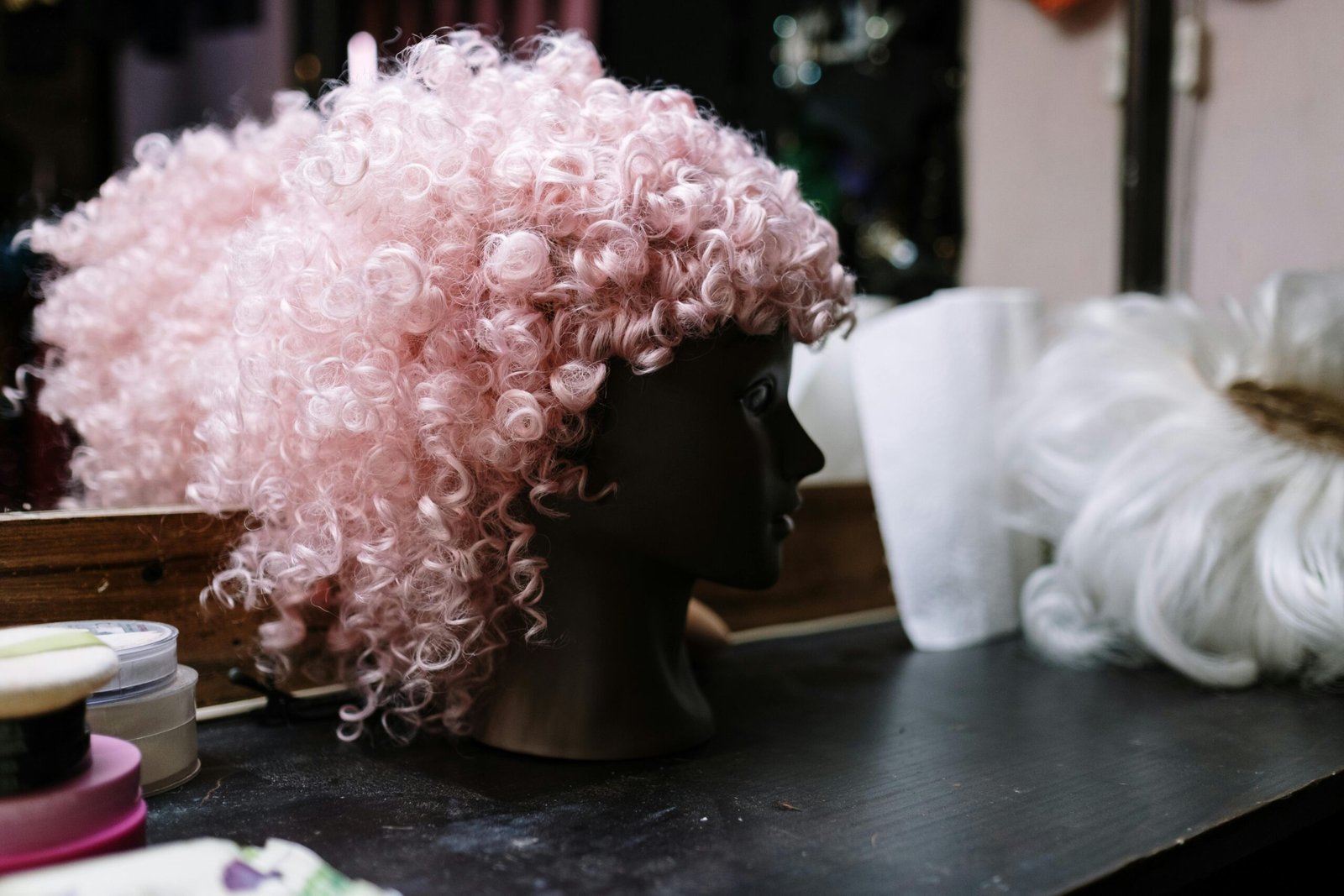
Both male and female hairpieces were used to enhance their looks, their social class or to conceal their bald heads. These fake hair solutions have changed a lot over time. They started as rough creations made from animal hair and have become today’s custom-made systems that you can see. This change shows how beauty standards, technology, and cultural views about improving your hair have shifted.
The Ancient Beginnings
Wigs for men first came about in ancient Egypt around 3100 BCE. Back then, both men and women wore hairpieces. These were made from real human hair wool from sheep, and fibers from plants. These early wigs had an impact on shaved heads by shielding them from the sun and pointing out social status. The fancier the wig the higher the person’s standing in society.
Romans and Greeks also liked hairpieces. Roman women preferred blonde wigs made from hair taken from German prisoners, while Greek men used men’s hairpieces to look younger and stronger. These old cultures made hairpieces both useful items and fashion choices.
The Evolution of Men’s Hairpieces
By the 16th and 17th centuries, men’s hairpieces became key fashion items for European nobles. King Louis XIV of France started balding at 17 and made big wigs popular. He had 40 people making wigs for him. These white, powdery wigs showed wealth and power. The bigger the wig the higher the social rank.
The 18th century saw men’s hairpieces hit their peak. Fancy styles needed special care. But the French Revolution changed things. People began to see wigs as a sign of rich people’s excess. During the 1800s, hairpieces for men were created to blend in instead of standing out.
Women’s Hairpieces Through the Ages
Women’s hairpieces have evolved in various ways. Many years ago, women used hairpieces at special occasions or to demonstrate their affluence. Hairpieces worn by women during the Renaissance also contributed to the fad for high foreheads by covering their natural hair.
In Victorian times, women’s hairpieces became more useful. Women used “rats” (padded hair rolls) and “switches” (removable hair strands) to make their hair look fuller without cutting it. These early women’s hairpieces paved the way for the hair extensions and toppers we see today.
The 20th century witnessed a great transformation in women’s hairpieces, with the conspicuous fall of the 1960s giving way to clip-in extensions of the 1990s. The changes have allowed everyday women, not only famous or wealthy women, to improve their hair.
New Ideas in Hairpieces
Men’s hairpieces and women’s hairpieces today look very different from older versions. New materials like very thin polyurethane French lace, and monofilament create bases that look like real scalps. Better ways to get and treat human hair mean modern hairpieces move, shine, and style just like natural hair.
Technology has caused a revolution in both men’s hairpieces and women’s hairpieces. Computer-aided design allows for custom-fit pieces that match head shapes. 3D printing creates very realistic hair follicle patterns, while improved adhesives provide secure long-lasting attachment without damaging natural hair or scalp.
Embracing Modern Solutions
The path from old wigs to today’s advanced men’s hairpieces and women’s hairpieces shows our lasting wish to express ourselves through hair. Modern hairpieces offer answers for people who lose hair want options, or just want to change how they look for a short time.
For top-notch men’s hairpieces and women’s hairpieces that blend old-world skill with the latest tech, check out TopUnique Hair. They offer a wide range of options to suit every need—from full systems to toppers and extensions—all created to give you natural-looking comfy solutions. Take a look at what they have to offer today at topuniquehair.com and see how modern hairpieces can boost your appearance and self-esteem.
Meta Description: Dive into the rich history and progress of men’s hairpieces and women’s hairpieces from ancient times to today’s advanced lifelike options.