



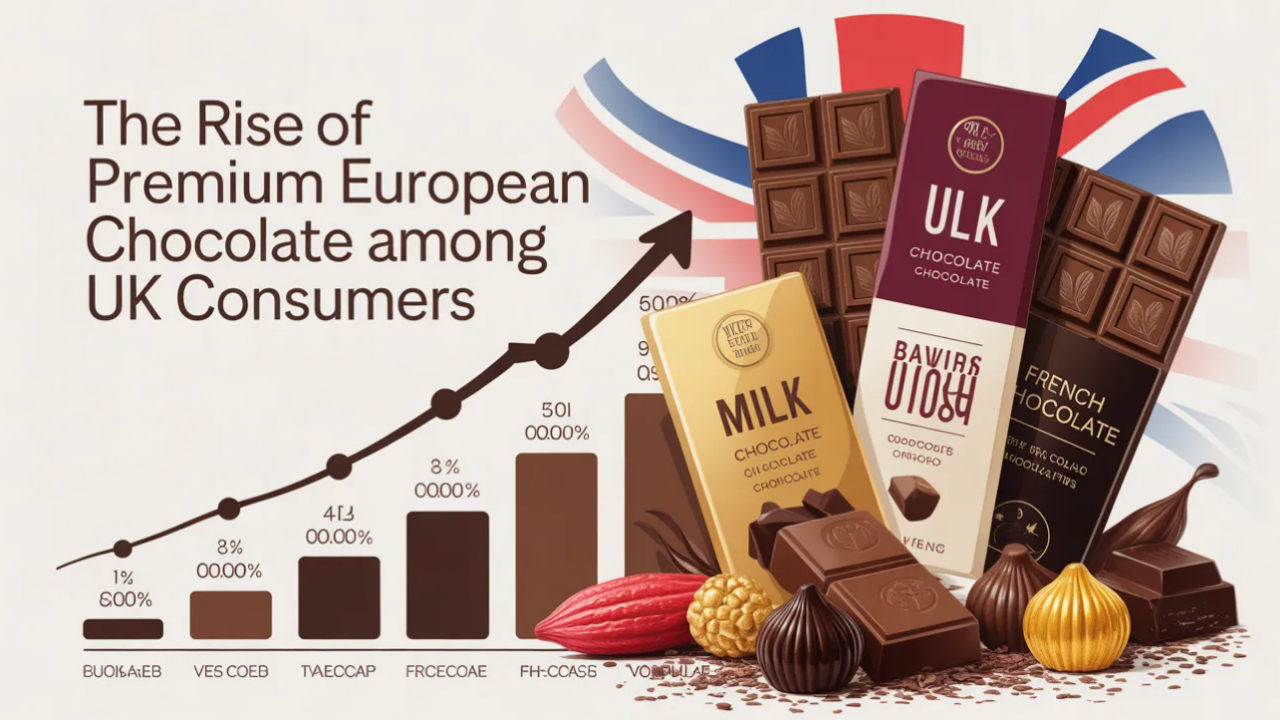
Chocolate has always been part of everyday life in the UK. It appears in lunchboxes, gift bags, café counters, and evening snacks. Yet the way people think about chocolate has changed noticeably over the past decade. Where it was once seen mainly as a sweet treat, it is now often approached as something closer to a tasting product. Consumers talk about cocoa percentage, mouthfeel, origin, and balance. They compare varieties. They savour rather than simply eat.
This shift mirrors what happened earlier with coffee and wine. Both moved from basic consumption into an appreciation culture. Chocolate is now following that same path, especially when it comes to European styles known for depth and refinement rather than overt sweetness.
What makes European chocolate feel premium
The idea of premium chocolate is not only about price or packaging. It is about how the chocolate behaves on the palate. European chocolate traditions, particularly from Belgium, France, and Switzerland, tend to emphasise cocoa richness and smooth texture. Sweetness is present but restrained. Fat content is balanced so that the chocolate melts slowly and evenly.
This creates a layered tasting experience. Instead of a single sugary note, you taste roasted cocoa, mild bitterness, and sometimes hints of fruit or nuts, depending on the beans and roasting process. Even milk chocolate in this style feels different. It is creamier and less sugary, with cocoa still noticeable rather than masked.
For UK consumers accustomed to sweeter confectionery traditions, this difference is striking. The chocolate tastes more complex and often more satisfying in smaller quantities.
Changing expectations among British shoppers
Consumer expectations around chocolate have matured. People are more aware of ingredients and production. They read cocoa percentages. They look for fewer additives. They associate darker chocolate with sophistication and mindful indulgence.
There is also a cultural shift toward smaller, higher-quality treats. Instead of buying large multipacks of standard bars, shoppers may choose a single premium bar to enjoy slowly. This pattern aligns with broader lifestyle trends favouring quality over quantity.
Travel has reinforced this awareness. Many UK consumers have encountered continental chocolate culture abroad, whether in Belgian chocolatiers, French pâtisseries, or Alpine cafés. Those experiences shape taste memory. When people return home, they often seek similar flavour profiles.
Continental heritage and consumer perception
Certain European countries have long-standing reputations for chocolate craftsmanship. Belgium is perhaps the most prominent example. Its chocolate tradition emphasises smoothness and cocoa intensity. Over time, this reputation has influenced consumer perception across Europe and beyond.
When UK shoppers encounter references such as Côte d’Or in UK contexts, they often interpret them as indicators of continental chocolate style rather than marketing claims. The name evokes Belgian chocolate heritage in a general sense. It signals a category associated with richer cocoa taste and refined texture.
This cultural shorthand shapes purchasing behaviour. Consumers may not articulate the technical differences, but they recognise the sensory ones.
Chocolate as a tasting ritual
The rise of premium chocolate also reflects a broader shift toward slow enjoyment. People increasingly create small rituals around food. Coffee breaks, evening treats, or dessert moments become intentional pauses rather than automatic habits.
A square of high-quality chocolate fits naturally into these rituals. It pairs with coffee or tea. It satisfies without excess. The experience lasts longer because the flavour unfolds gradually. This contrasts with very sweet chocolate, which can feel fleeting and encourage overconsumption.
Premium chocolate also encourages sensory attention. Texture, aroma, and melt become noticeable. Consumers begin to distinguish between varieties. The product moves from background snack to focal experience.
Influence on home baking and desserts
Higher-quality chocolate has begun influencing home baking as well. Many cooks now choose darker or less sweet chocolate for brownies, cakes, and pastries. The result is a deeper flavour and better balance. Desserts taste richer without needing additional sugar.
This shift parallels restaurant trends, where pastry chefs favour chocolate with pronounced cocoa character. When home bakers adopt similar ingredients, their results feel more refined, even with simple recipes.
Chocolate pairing has also grown. People experiment with matching chocolate to coffee types, teas, or wines. These practices reinforce chocolate’s status as a tasting product rather than a casual sweet.
Availability through European grocery platforms
Accessibility supports these changing habits. Online European grocery stores have expanded the chocolate range available in the UK. Consumers can explore continental varieties beyond the limits of local supermarket shelves.
The UK-based online grocery store EuropaFoodXB illustrates this wider pattern. By offering European confectionery alongside other pantry items, it reflects how premium chocolate has become part of broader continental food exploration rather than a niche indulgence category.
A shift likely to endure
The movement toward premium European chocolate is not a passing trend. It aligns with lasting consumer priorities: authenticity, ingredient quality, and sensory enjoyment. As people become more comfortable evaluating chocolate, demand for nuanced flavour will continue.
Chocolate will always remain a comfort food. That aspect is unchanged. What has evolved is the expectation of depth and craftsmanship. Consumers want indulgence that feels thoughtful rather than excessive.
Conclusion
Premium European chocolate is gaining popularity in the UK because it satisfies both taste and cultural curiosity. It offers richer flavour, smoother texture, and a sense of tradition that resonates with modern consumers seeking meaningful indulgence.
Chocolate has not lost its place as a treat. It has simply gained another role. It is now something to appreciate, compare, and enjoy slowly.