



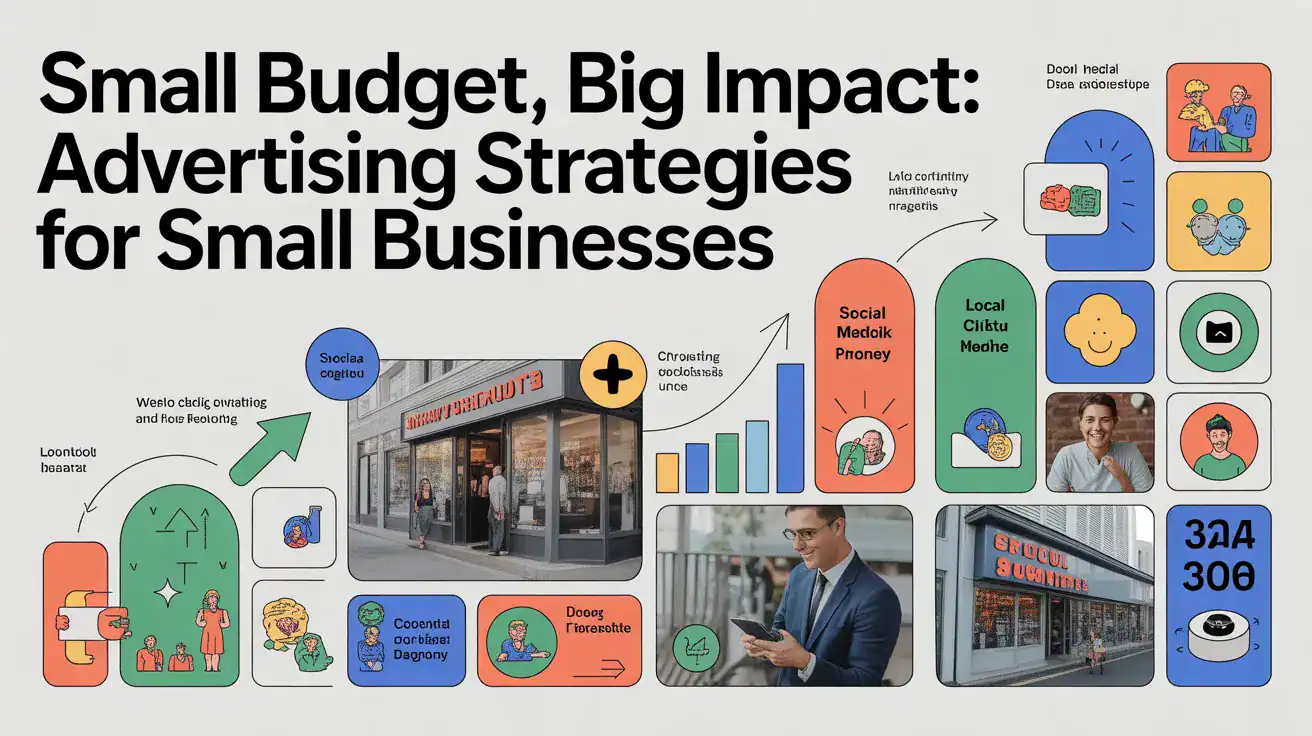
Small business owners can compete with larger competitors even on a tight marketing budget. By prioritizing creativity and consistency over cash, businesses can use cost-effective digital strategies to build brand loyalty.
Mastering Social Media Marketing
Social media platforms have leveled the playing field, allowing small businesses to reach thousands of potential customers with minimal financial investment. The key is not to be everywhere at once, but to be impactful where it matters.
Choose the Right Platforms
Don’t spread yourself too thin. Identify where your target audience hangs out. If you’re a B2B service, LinkedIn is likely your best bet. If you’re selling visually appealing products like jewelry or food, Instagram and Pinterest are essential. Focus your energy on mastering one or two platforms rather than posting sporadically across five.
Engage, Don’t Just Broadcast
Social media is a two-way street. It’s not enough to simply post ads for your products. You need to build a community. Reply to comments, ask questions in your captions, and participate in relevant conversations. User-generated content is a goldmine here; if a customer posts a photo with your product, ask permission to reshare it. This not only provides you with free content but also builds trust with your audience.
Leverage Short-Form Video
The rise of TikTok, Instagram Reels, and YouTube Shorts offers a massive opportunity for organic reach. These algorithms often favor engaging content over follower count, meaning a new account can go viral with the right video. Share behind-the-scenes clips, quick tips related to your industry, or even humorous takes on common customer problems.
The Power of Content Marketing
Content marketing is about providing value to your audience to build trust and authority. Instead of pitching your product directly, you’re helping your customers solve problems or learn something new. Over time, this establishes your brand as the go-to expert in your field.
Blogging for Authority
Starting a business blog is one of the most cost-effective ways to drive traffic to your website. Write articles that answer the specific questions your customers are asking. For example, a landscaping company could write about “How to prepare your lawn for winter” or “Best drought-resistant plants.” These articles attract people looking for information, who may then decide to hire you for the job.
Repurposing Content
You don’t need to create new content from scratch every day. A single blog post can be turned into a week’s worth of social media content. Pull out key quotes for Twitter, create a graphic for Instagram summarizing the main points, or record a short video discussing the topic. This maximizes the value of every piece of content you create.
Building Relationships with Email Marketing
Email marketing remains one of the highest ROI channels available. Unlike social media algorithms that limit who sees your posts, email allows you to land directly in your customer’s inbox.
Offer a Lead Magnet
To build your email list, you need to offer something of value in exchange for a visitor’s email address. This is called a lead magnet. It could be a discount code for their first purchase, a free checklist, an ebook, or access to an exclusive webinar. Make it relevant and valuable enough that people are happy to sign up.
Nurture Your Subscribers
Once you have their email, don’t just blast them with sales pitches. Use a welcome sequence to introduce your brand story and values. Send regular newsletters with helpful tips, industry news, or exclusive updates. When you do send a promotional email, your audience will be more receptive because you’ve already established a relationship based on value.
Unlocking Organic Traffic with SEO
Search Engine Optimization (SEO) might sound technical, but the basics are straightforward and free to implement. The goal is to make it easy for Google to understand what your website is about so it can show your pages to people searching for relevant topics.
Keyword Research
Understand what words and phrases your potential customers use when searching for businesses like yours. Use free tools like Google Keyword Planner or Ubersuggest to find these terms. Incorporate these keywords naturally into your website’s headlines, product descriptions, and blog posts. Avoid “keyword stuffing”—writing should always sound natural to human readers.
Local SEO
For brick-and-mortar businesses, local SEO is crucial. Claim your Google Business Profile and ensure all your information (name, address, phone number, hours) is accurate. Encourage satisfied customers to leave positive reviews. Photos also help; frequently uploading pictures of your store, team, or products signals to Google that your business is active.
While you can handle many of these tasks yourself, sometimes you hit a plateau. If you eventually decide to outsource this work to scale up, finding a reliable partner is key. For instance, if you operate in the mountain west, working with a specialized SEO company in Utah might help you navigate local market nuances better than a generic agency. However, for most small businesses starting out, consistent DIY efforts can yield impressive results.
Conclusion
Budget constraints shouldn’t be a barrier to growth. By focusing on organic social media engagement, valuable content creation, strategic email marketing, and fundamental SEO practices, you can build a robust marketing engine without a massive ad spend.
