


Building long-term financial stability requires more than saving consistently. True financial growth comes from a strategic approach that balances risk, opportunity, and personal goals. Wealth management is not a one size fits all process. It is a thoughtful combination of planning, analysis, and ongoing adjustments that help individuals and families strengthen their financial foundation over time. By understanding and applying key strategies, you can create a framework that supports both current needs and future aspirations with clarity and confidence.
Establishing a Comprehensive Financial Plan
A strong financial plan serves as the roadmap for long term growth. It outlines your goals, evaluates your current financial position, and identifies the steps needed to move forward. This plan typically includes budgeting, debt management, savings targets, investment strategies, and risk assessments.
A comprehensive plan also accounts for major life events, such as buying a home, funding education, or preparing for retirement. By defining clear objectives and aligning your financial decisions with those goals, you create a structured path that supports steady progress. Regularly reviewing and updating the plan ensures that it remains relevant as circumstances change.
Diversifying Investments for Balanced Growth
Diversification is one of the most effective strategies for managing risk while pursuing financial growth. By spreading investments across different asset classes such as stocks, bonds, real estate, and alternative investments, you reduce the impact of market fluctuations on your overall portfolio.
Active investors looking to diversify further may benefit from learning how to find stocks for swing trading to capture short-term market opportunities.
A diversified portfolio helps balance potential gains with protection against volatility. It also allows you to take advantage of opportunities in various sectors and economic conditions. The right mix depends on your risk tolerance, time horizon, and financial goals. Working with a financial professional can help ensure that your portfolio remains aligned with your long-term strategy.
Prioritizing Tax Efficient Strategies
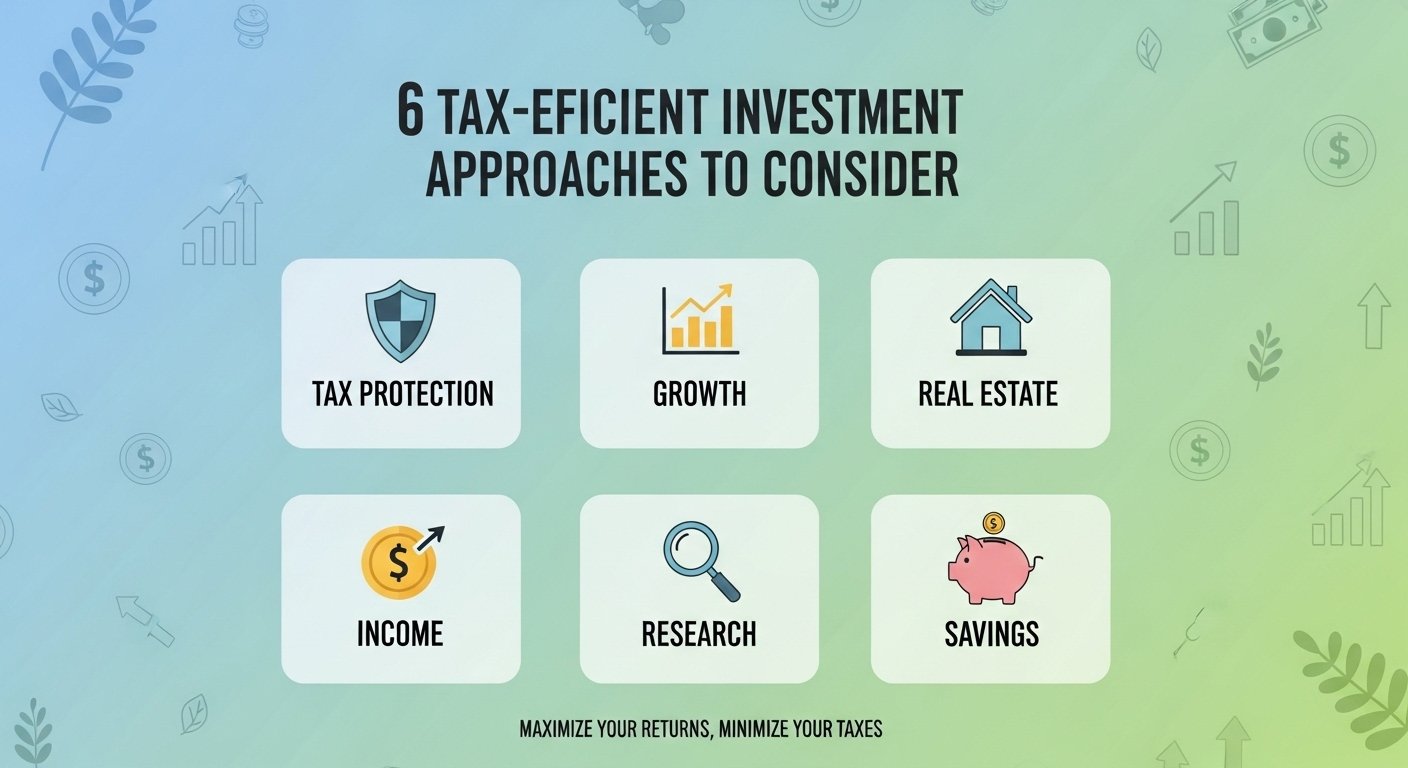
Taxes play a significant role in wealth management, influencing both short-term cash flow and long-term financial outcomes. Implementing tax efficient strategies can help preserve more of your earnings and investment gains. This may include contributing to tax advantaged accounts, strategically timing withdrawals, or using investment vehicles designed to minimize tax exposure.
Tax planning also involves understanding how different types of income are taxed and identifying opportunities to reduce liabilities. By incorporating tax efficiency into your overall financial strategy, you can enhance your ability to grow and protect your wealth over time.
Strengthening Retirement Planning and Long-Term Security
Retirement planning is a cornerstone of wealth management. Ensuring long-term financial security requires thoughtful preparation, consistent contributions, and strategic decision making. This includes evaluating retirement account options, estimating future income needs, and determining the best approach for withdrawals.
For individuals seeking tailored guidance, working with a professional who understands regional considerations can be especially valuable. For example, those focusing on retirement planning in Howard County, MD, may benefit from insights related to local cost of living, tax implications, and community resources. Personalized planning helps ensure that retirement strategies align with both financial goals and lifestyle preferences.
Managing Risk Through Insurance and Asset Protection
Protecting your wealth is just as important as growing it. Risk management strategies help safeguard your assets from unexpected events such as illness, accidents, property damage, or legal challenges. Insurance plays a central role in this process, offering coverage that reduces financial vulnerability.
Common forms of protection include health insurance, life insurance, disability coverage, and property insurance. For individuals with significant assets, additional measures such as umbrella policies or trust structures may be appropriate. Effective risk management ensures that unforeseen circumstances do not derail long-term financial progress.
Monitoring Progress and Adjusting Strategies Over Time
Wealth management is an ongoing process. Markets shift, personal circumstances evolve, and financial goals may change. Regularly reviewing your financial plan, investment performance, and risk exposure helps ensure that your strategy remains aligned with your objectives.
Adjustments may include rebalancing your portfolio, updating savings targets, or revising retirement timelines. Staying proactive allows you to respond to new opportunities and challenges with confidence. Consistent monitoring also reinforces financial discipline and keeps long term goals at the forefront of decision making.
Conclusion
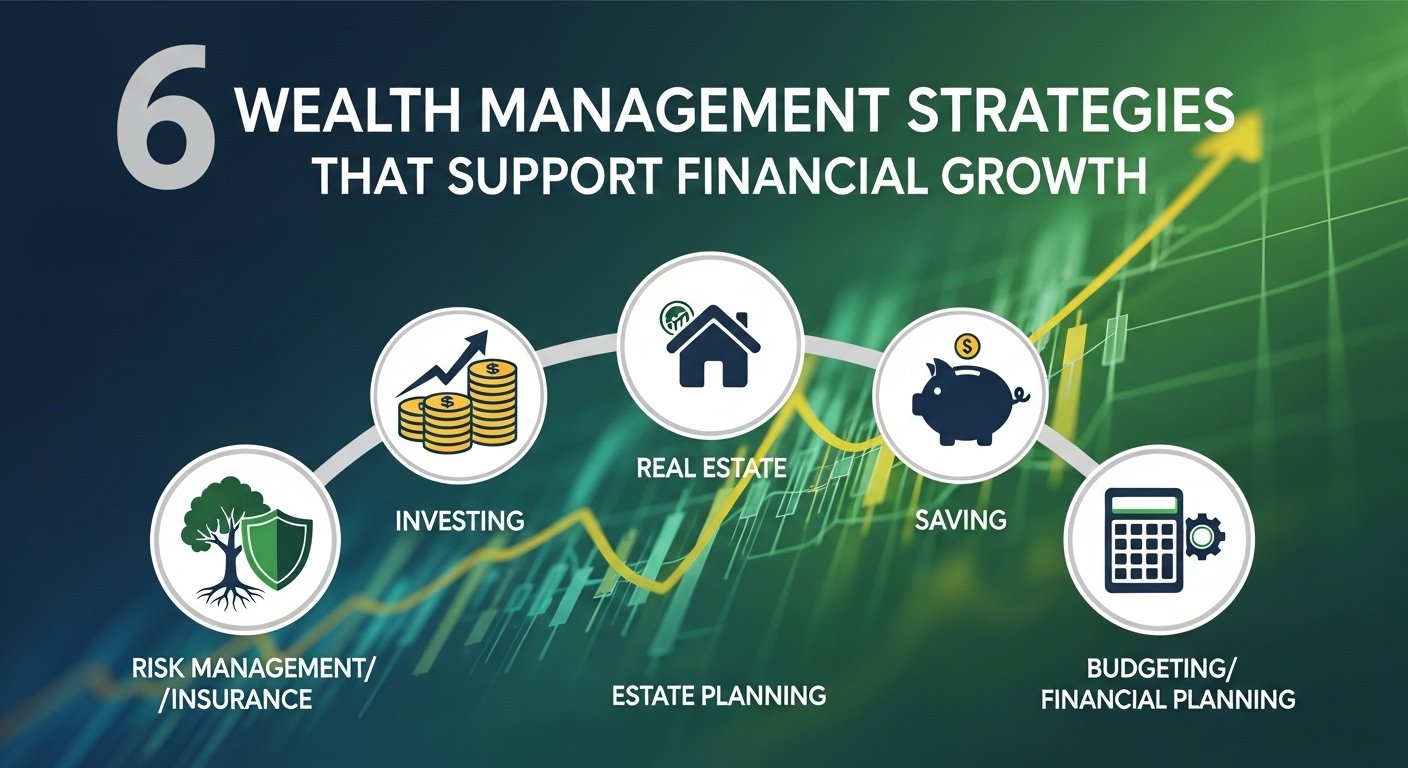
Effective wealth management requires a combination of planning, diversification, tax efficiency, retirement preparation, risk protection, and ongoing evaluation. By applying these strategies with intention and consistency, individuals can build a strong financial foundation that supports long term growth and stability.