




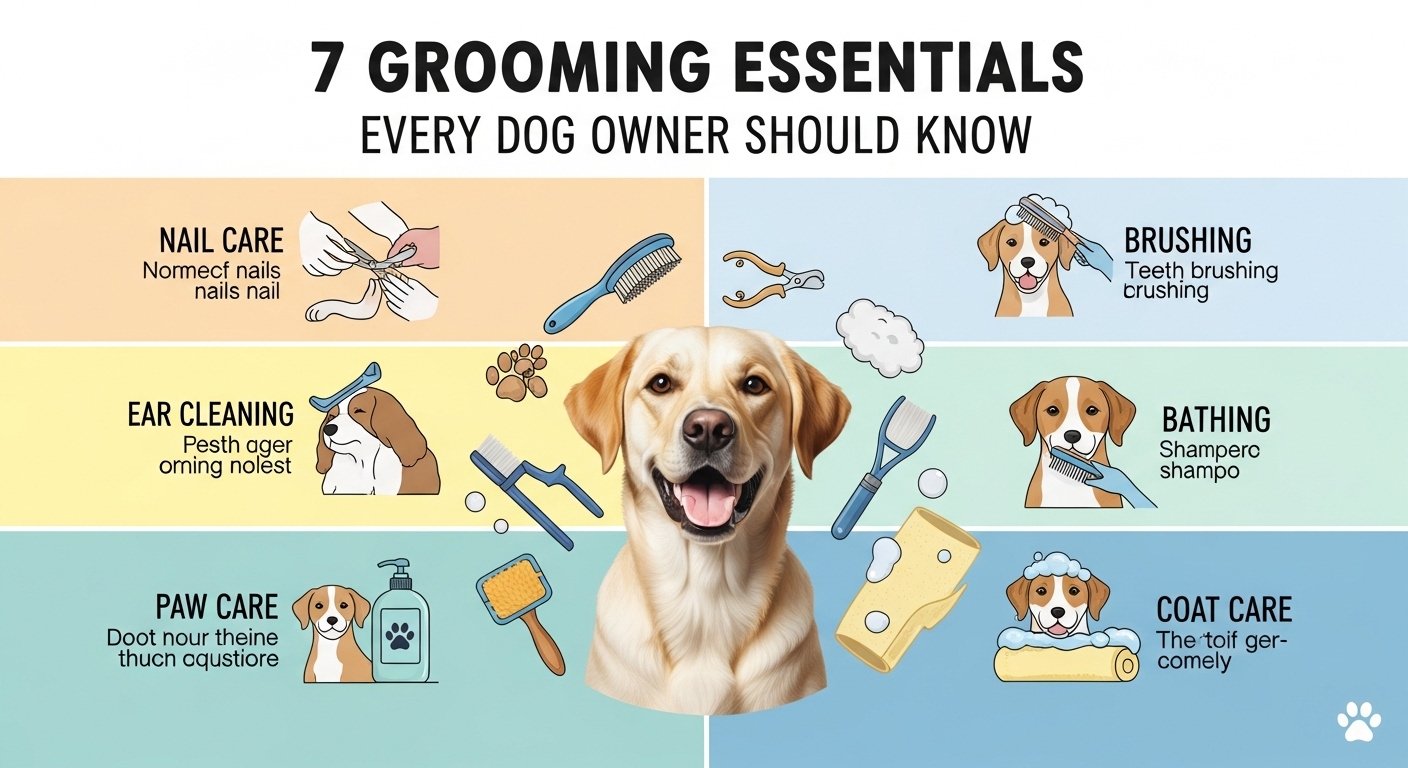
Regular grooming is an important part of keeping dogs healthy, comfortable, and looking their best. While many owners focus on brushing or bathing, grooming involves a wide range of practices that support skin health, coat condition, hygiene, and overall well‑being. Understanding these essentials helps dog owners create a consistent routine that prevents discomfort and reduces the risk of common issues such as matting, infections, or overgrown nails. With the right knowledge and tools, grooming becomes a positive experience that strengthens the bond between dogs and their owners.
Brushing to Maintain Coat Health
Brushing is one of the most fundamental grooming tasks, yet it is often overlooked or done inconsistently. Regular brushing removes loose hair, prevents tangles, and distributes natural oils throughout the coat. This supports healthy skin and reduces shedding around the home.
Different coat types require different brushing techniques. Long‑haired breeds benefit from daily brushing to prevent mats, while short‑haired dogs may only need brushing a few times per week. Using the right brush for the coat type ensures effective grooming without causing discomfort. Consistent brushing also allows owners to check for lumps, bumps, or skin irritations that may require attention.
Bathing for Cleanliness and Skin Care
Bathing helps remove dirt, allergens, and excess oils from a dog’s coat. However, bathing too frequently can strip natural oils and lead to dryness or irritation. Most dogs do well with a bath every four to six weeks, though active or outdoor dogs may need more frequent cleaning.
Choosing a gentle, dog‑specific shampoo is essential. Human products can disrupt a dog’s skin pH and cause irritation. Owners should also rinse thoroughly to prevent residue buildup, which can lead to itching or discomfort. Bath time is also an opportunity to check for fleas, ticks, or skin issues that may not be visible during regular brushing.
Nail Trimming to Support Mobility
Overgrown nails can cause pain, affect posture, and lead to long‑term joint issues. Regular nail trimming keeps a dog’s feet healthy and supports natural movement. Most dogs need their nails trimmed every three to four weeks, though this varies depending on activity level and the surfaces they walk on.
Using proper nail clippers and trimming small amounts at a time helps prevent cutting the quick, which can cause bleeding and discomfort. For dogs who are anxious about nail trims, gradual desensitization and positive reinforcement can make the process easier.
Ear Cleaning to Prevent Infections
Ear care is an essential but often forgotten part of grooming. Dogs with floppy ears, long hair around the ears, or a history of infections require more frequent cleaning. Moisture, wax buildup, and debris can create an environment where bacteria and yeast thrive.
Using a vet‑approved ear cleaner and gently wiping the outer ear helps maintain hygiene without causing irritation. Owners should avoid inserting cotton swabs into the ear canal, as this can push debris deeper or cause injury. Regular ear checks help identify redness, odor, or discharge early, allowing for prompt treatment.
Dental Care for Long‑Term Health
Dental hygiene is a critical component of grooming that directly affects a dog’s overall health. Plaque and tartar buildup can lead to gum disease, tooth loss, and even systemic health issues. Brushing a dog’s teeth several times per week with a pet‑safe toothpaste helps prevent these problems.
Dental chews, water additives, and professional cleanings can also support oral health. Establishing a dental care routine early helps dogs become comfortable with the process and reduces the risk of dental complications later in life.
Professional Grooming for Specialized Care
While many grooming tasks can be done at home, professional groomers provide specialized services that support a dog’s health and comfort. They are trained to handle coat types, skin conditions, and behavioral challenges that may be difficult for owners to manage alone.
Professional grooming includes services such as coat trimming, deshedding treatments, sanitary trims, and breed‑specific styling. Facilities offering dog groomers in Spring, TX, often tailor their services to meet the needs of different breeds and coat types, ensuring that each dog receives appropriate and safe care. Regular professional grooming complements at‑home routines and helps maintain a dog’s overall well‑being.
Paw and Skin Care for Everyday Comfort
Paws endure constant wear from walking, running, and exposure to outdoor surfaces. Checking paw pads regularly for cracks, debris, or irritation helps prevent discomfort. Applying a pet‑safe balm can protect pads from dryness or harsh weather conditions.
Skin care is equally important. Dogs may develop dryness, allergies, or hot spots that require attention. Monitoring the skin during grooming sessions helps owners identify issues early and seek veterinary guidance when needed.
Conclusion
Grooming is a vital part of responsible dog ownership, supporting coat health, hygiene, comfort, and long‑term well‑being. By understanding essential practices such as brushing, bathing, nail trimming, ear cleaning, dental care, professional grooming, and paw maintenance, owners can create a routine that keeps their dogs healthy and happy.