Building trust in token launches used to be a product problem. Ship good tech, write a clean whitepaper, and the rest would follow. That era is over. In 2026, trust is mostly a marketing outcome, shaped long before mainnet by how a project looks, sounds, and behaves on public channels.
Buyers don’t read whitepapers first. They read the vibes. Building trust in token launches now means earning credibility in the feed, in the community, and in the rooms where crypto decisions actually happen.
It’s a different discipline than most founders expect. And it’s the difference between a launch that lasts and one that quietly fades.
Key Takeaways
Building trust in token launches is now primarily a marketing outcome, not a product one.
Visible social proof, third-party validation, founder presence, and consistent narrative are the four pillars of launch trust.
Tools like FMAX help solve the cold start engagement problem with real crypto-native profiles.
Silent comment sections and absent founders are the fastest ways to kill credibility.
A 60-day trust-building plan beats a one-week hype blast every time.
Trust Is the Real Product at Launch
At TGE, everyone is selling the same thing: a promise. Your chain will be faster, your protocol safer, your yields sustainable. The token itself is a placeholder for future belief. That’s why building trust in token launches matters more than any single technical metric. Without it, liquidity walks.
Crypto buyers have been burned enough times that they now apply a simple filter. Does this project feel real? Do real people engage with it? Do respected voices touch it? Does the team answer hard questions in public? Marketing is what turns all those questions into a confident yes.
The Four Pillars of Token Launch Trust
The projects that launch well in 2026 tend to hit four pillars consistently.
1. Visible social proof. A silent timeline feels suspicious. Real engagement from crypto-native profiles, including likes, reposts, and thoughtful comments, tells buyers the project has pulse.
Tools like FMAX help teams seed that initial layer of engagement from verified crypto-native accounts, which matters enormously when you’re pre-listing and don’t yet have organic momentum.
2. Third-party validation. KOLs, auditors, ecosystem partners, and respected builders vouch for the project. Each external mention acts like a small signature on a trust ledger.
3. Transparent founder presence. Anonymous is fine. Invisible is not. Buyers want to see the team post, reply, explain decisions, and handle criticism without dodging.
4. Consistent narrative. The same story is told on X, in Discord, in the docs, and in podcast interviews. Contradictions are trust killers.
Miss one pillar and the launch wobbles. Miss two and it falls.
What Kills Trust Instantly
Some things destroy credibility faster than any marketing campaign can repair.
Silent comment sections under major announcements
Obvious low-quality bot engagement
Hype posts with no substance behind them
Community managers who copy-paste the same replies
Founders who disappear after a price dip
The pattern is always the same. People don’t mind problems. They mind being ignored or deceived. A project I watched last quarter lost half its holders in a week because the founder went dark after a small exploit. The tech was patched in hours. The trust took months.
A Realistic Pre-Launch Playbook
If I were running marketing for a token launch tomorrow, here’s the rough shape of the plan:
60 days out: Start building a founder voice on X. Post opinions, not announcements.
45 days out: Seed engagement on key posts using a reputable crypto-native engagement platform. This solves the cold start problem without faking the audience.
30 days out: Begin paid and equity-based KOL partnerships. Focus on credibility over reach.
14 days out: Activate community AMAs, partner co-posts, and transparent roadmap threads.
Launch week: Reply to everything. Address fear publicly. Celebrate wins with community members by name.
Post-launch: Keep showing up. Trust compounds or decays based on week two, not day one.
Building trust in token launches is mostly about rhythm. Show up, be specific, be visible, be honest.
The Long Game
Every token launch in 2026 is competing against thousands of others for the same fragment of attention. The ones that stick do something simple but hard: they earn trust in public, every day, long before the token goes live. They treat marketing as credibility work, not promotion work. And when listing day comes, they already have a community that defends them instead of doubting them.
Building trust in token launches isn’t glamorous. It’s slow, it’s detailed, and it’s the single highest-ROI marketing discipline in Web3. The teams that understand that are the ones still around a year later.
The accelerating pace of regulation, the explosion of AI‑driven discovery, and the consolidation of crypto audiences into engaged communities have turned marketing into a strategic discipline within Web3. Gone are the days when a few influencer tweets could launch a token into the stratosphere.
In 2026, founders must consider metrics like Total Value Locked (TVL), active wallets, user retention, and regulatory compliance. Selecting the right marketing partner is therefore more important than ever.
This article curates a top‑five list of crypto marketing agencies in 2026 that are poised to shape the year. These firms stand out for their documented results, innovative methodologies, and proven ability to grow real users, not just social metrics. The ranking incorporates Clutch.co’s year‑end evaluations, in‑depth analyses by industry leaders, and case studies published by the agencies themselves. Each section below highlights why the agency made the cut, what makes them distinctive, and which projects are best suited to their strengths.
1. Surgence Labs – Setting the Benchmark for Growth
In an industry obsessed with hype and short‑term price action, Surgence Labs has built its reputation on one metric: Total Value Locked. This focus on TVL – the amount of capital held within a protocol – forces campaigns to deliver genuine user adoption and liquidity, not just clicks.
According to ICODA’s 2026 report, Surgence Labs designs quest systems, referral programmes, and gamified airdrops that attract real wallets rather than bots. The Falcon Finance case study demonstrates the power of this approach: Surgence’s go‑to‑market (GTM) roadmap propelled the stablecoin protocol to $1.2 billion in TVL while achieving top‑ranked mindshare on AI discovery engines like Kaito.
Surgence’s global team includes more than 40 specialists across strategy, growth, content, community, design, and technical marketing. They operate out of Dubai but execute campaigns around the clock, spanning multiple time zones. The firm has partnered with 50+ Web3 teams and claims to have generated over $300 million in client revenue and captured $5 billion in TVL across all projects. Testimonials from clients such as QORPO WORLD and Lab Trades credit Surgence with driving their ecosystems to valuations over $1 billion and sustaining growth through structured marketing execution.
What founders appreciate most about Surgence is its systematic “90 Days with Surgence” framework: the first two weeks deliver a viral brand launch, weeks 2‑6 capture sign‑ups and early traction and weeks 7‑12 transition to mainnet adoption and token launch. This structure transforms marketing from a loose collection of tasks into a rigorous process that drives deposits and on‑chain activity.
The agency’s network of 2 000+ KOLs and deep expertise in gamified acquisition ensure high‑impact distribution, while the focus on post‑launch retention helps clients maintain momentum long after a token generation event. For well‑funded DeFi protocols and blockchain ecosystems seeking market leadership, Surgence Labs sets the benchmark.
2. Bond Finance – Retention and Strategic Integration
Location: United Kingdom (global) Website: bondfinance.io
Bond Finance earns the second spot on our best crypto marketing agencies list for its ability to integrate campaigns across multiple channels and focus on retention rather than vanity metrics. Clutch’s year‑end ranking names Bond Finance the #1 crypto marketing agency, citing a 5.0/5.0 overall rating, ten awards and a minimum project size of $5 000. Reviews consistently emphasise the agency’s ability to convert passive followers into engaged community members; one DeFi founder reported community growth from 5 000 to 180 000 within seven months.
ICODA’s evaluation explains Bond Finance’s success by highlighting its “Signal‑Spark‑Sync” methodology. In practice, this means combining intelligence (signal) to understand market narratives, creative assets (spark) to attract attention and synchronised conversion funnels (sync) to drive on‑chain participation. The methodology addresses a common pain point for crypto founders: the fragmentation of PR, influencer marketing and community building. Bond Finance ensures that these elements work together, resulting in outcomes like a $4 million trading volume within 24 hours and a 600% social engagement surge during coordinated campaigns.
Bond Finance’s pricing (roughly $10–20 k per month) positions it for mid‑sized to enterprise projects that need strategic oversight without building an in‑house team. Its retention‑first philosophy makes it particularly suited for protocols that have already launched and are looking to deepen community engagement and maintain TVL after initial airdrop excitement. In a market where retention is often overlooked, Bond Finance proves that sustainable ecosystems require as much attention as launch hype.
ICODA positions itself at the forefront of AI‑powered discovery. As search engines integrate large language models (LLMs) into their interfaces, standard SEO strategies no longer suffice. ICODA offers Answer Engine Optimisation (AEO) to help projects rank in AI‑driven platforms like ChatGPT, Gemini and Perplexity. Their Godex campaign illustrates the value: by integrating AI SEO with content and PR, ICODA achieved a 688% increase in ChatGPT citations and secured top‑2 visibility across AI search channels.
Beyond AI, ICODA delivers a full range of services: token launch execution, influencer campaigns, crypto PR, and even smart contract development through its bc‑team partnership. The agency boasts 650+ completed projects, a Clutch rating of 4.7–4.8/5.0 and case studies showing 4100% ROI for a crypto casino campaign. Flexible pricing (minimum engagement around $8 000) makes ICODA accessible to early‑stage startups. For founders who recognise that AI search will dominate discovery in 2026, ICODA provides the tools and expertise to stay ahead.
Influencer marketing remains powerful in crypto, but the space is saturated with fake followers and pay‑to‑play networks. Coinbound solves this by building a proprietary influencer network that includes some of the largest crypto YouTubers and Twitter personalities. The agency represents 30% of the top 100 crypto companies and orchestrates multi‑platform campaigns that give users the impression that a project is ubiquitous. Its BitDials campaign produced a 29.96× return on ad spend (ROAS), proving that performance can coexist with narrative.
Case studies shared in RZLT’s analysis highlight even more concrete results: a CoinStats campaign delivered over 700 percent engagement growth and an EtherMail activation generated 100 000 new registrations in 30 days. Clutch reviewers credit Coinbound with achieving an average 280% increases in social engagement during 30‑day campaigns. Pricing starts at about $20 000 per month, reflecting access to high‑demand influencers. For token launches and NFT drops that need rapid, broad exposure, Coinbound offers unmatched reach and coordination.
5. MarketAcross – PR and Reputation for the Institutional Age
The final spot in our top five crypto marketing agencies list goes to MarketAcross, a PR‑driven agency specialising in enterprise reputation management. MarketAcross operates in a space where compliance, credibility and narrative control are paramount. Unlike generalist agencies, it focuses on earned media and pays for performance, meaning clients only pay when placements are secured. This model eliminates the risk of paying for outreach that yields no results.
MarketAcross’s case studies read like a blueprint for Layer 1 and Layer 2 success: the Polygon campaign produced 64 media articles with a combined 454 million readers and drove 50% staking participation, while the Avalanche campaign generated 167 articles reaching 3.12 billion potential readers. Owning the newswire Chainwire gives MarketAcross direct distribution capabilities that other agencies lack. This vertical integration, combined with direct relationships with tier‑1 editors, allows the agency to manage brand reputation on a global scale.
MarketAcross is best suited for established protocols, exchanges and projects facing regulatory scrutiny. Its selective client onboarding ensures that each campaign has a compelling narrative, and its pricing reflects the high value of institutional credibility. Projects needing to navigate media landscapes, build trust with regulators or attract institutional capital should put MarketAcross at the top of their short list.
How We Chose These Agencies
Our methodology blends third‑party rankings, verified client feedback and detailed case studies. Clutch.co’s year‑end report was particularly valuable because its rankings are based on independently verified client reviews, project documentation and quantitative service ratings. Unlike pay‑to‑play lists, agencies cannot buy higher placement; the ranking factors include verified testimonials, project complexity, service quality and client retention.
We also relied on ICODA’s expert analysis of full‑service marketing firms. Their report emphasises that the marketing landscape has been fundamentally altered by regulations like MiCA and the shift towards AI‑mediated discovery. Agencies that survived this transition combine technical blockchain literacy with measurable performance frameworks and focus on engineering sustainable on‑chain ecosystems.
Finally, RZLT’s 2026 ranking reinforced the idea that the “wild west” era of crypto marketing is over. Their article warns against random KOL blasts and hype threads backed by nothing; instead, successful projects employ precision, data and AI‑powered execution. The agencies that made our list consistently align with this ethos.
Match the agency to your project stage. Early‑stage ventures without public presence should engage agencies skilled in strategic positioning and narrative development – Bond Finance and MarketAcross excel here. Projects preparing a token generation event need launch specialists like Surgence Labs and Coinbound, while growth‑phase projects benefit from ongoing community and content production delivered by ICODA and NinjaPromo.
Focus on metrics that matter. In 2026, projects must look beyond follower counts. TVL, active wallets, retention rates, compliance and real engagement are the metrics top agencies optimise. For example, Surgence measures success through TVL, Bond Finance through retention and MarketAcross through staking participation and earned media.
Consider budget and geographic focus. Agencies like TokenMinds and Coinband provide entry points around $3 000 to $10 000 per month, while premium firms such as Surgence start at $20 000.
Demand transparency and verification. Use Clutch.co or similar platforms to read verified client reviews. Ask potential agencies for references you can contact directly. Ensure that claims about growth and engagement are backed by documented case studies or third‑party validation.
Evaluate cultural fit and communication. The best results come when your internal team and the agency collaborate closely. Ensure your chosen agency can operate within your time zones, responds quickly, and understands your brand’s voice and values.
Final Thoughts
The marketing agencies dominating crypto in 2026 reflect the industry’s maturation. They prioritise data, compliance, and sustainable growth over hype, and they invest in AI‑native tools and structured methodologies. Surgence Labs leads our top‑five list thanks to its focus on TVL and measurable adoption. Bond Finance follows closely with retention‑oriented strategies and integrated campaign execution.
ICODA brings AI SEO and flexible, project‑friendly pricing; Coinbound offers unmatched influencer reach; and MarketAcross delivers institutional‑grade PR and credibility.
Choosing any of these agencies can be a catalyst for success, but the key is alignment: match your project’s stage, vertical, and goals with an agency’s strengths. In a space where trust is scarce and attention spans are short, partnering with a proven marketing firm may be the difference between a fleeting token pump and a sustainable, long‑term ecosystem. Use this guide as a starting point, conduct your own due diligence, and position your project to thrive in the regulated, AI‑driven world of Web3.
Crypto and Web3 marketing are unlike traditional digital campaigns. Advertisers face strict advertising policies on mainstream platforms, complex token economics, and sceptical audiences that can spot hype from a mile away.
As a result, founders and CMOs often turn to specialised crypto marketing agencies to build communities, launch tokens, and grow ecosystems. Yet with new firms appearing every week and hype-driven promises everywhere, selecting the right partner can be daunting.
This buyer’s guide distils independent advice from industry experts, legal guidance, and case studies to help you make an informed decision.
Know the Different Types of Crypto Marketing Agencies
Crypto marketing is not monolithic. Agencies specialise in different parts of the funnel; from hype generation to storytelling, community management, and developer outreach. Understanding these categories helps you choose a partner aligned with your goals.
KOL/PR agencies (Influencer & Press Relations)
Focus: These agencies leverage Key Opinion Leaders (KOLs) and press contacts. They organise YouTube reviews, influencer tweets, and crypto-news articles to generate buzz. Top crypto influencers command high fees; for example, a 250k-subscriber YouTube channel may charge around US$10,000 for a promotional segment.
When to use: Pre‑token generation or major announcements where rapid visibility and hype are essential. Their reach can quickly build FOMO, especially when combined with micro‑influencers and smart content.
Pros: Immediate reach, broad awareness, and leverage of influencer trust.
Cons: Results are often short‑lived if not paired with other strategies. ROI is hard to measure; due diligence is critical to avoid fake followers and low‑quality influencers.
Content & Creative agencies (Storytelling and Branding)
Focus: Specialists in brand storytelling, visual design, and content marketing. They craft narratives through blog posts, thought‑leadership pieces, social media content, website copy, whitepapers, explainer videos, and overall creative direction.
Operations & costs: Work can be project‑based or on monthly calendars. High‑quality creative isn’t cheap, but it differentiates your project in a crowded market.
When to use: Pre‑TGE projects needing education and credibility, or any project that relies on complex technology that must be simplified for the public.
Pros: Polished brand presence and compelling storytelling that fuels organic interest and other marketing channels.
Cons: Content is a long‑term investment; it may not deliver immediate ROI. Distribution often requires additional strategies.
Community & Growth agencies (Grassroots Marketing)
Focus: Building and managing communities on platforms like Discord, Telegram, Reddit, and Twitter. Activities include AMAs, ambassador programs, giveaways, referral schemes, and guerrilla marketing.
Operations: Agencies embed community managers and moderators, run meetups (online or offline), and feed community feedback back to your team. Costs often involve monthly retainers and budgets for contests or events.
When to use: Essential for DeFi protocols, NFT games, social dApps or any project dependent on network effects. Community agencies support both pre‑launch cultivation and post‑launch user retention.
Pros: Create loyal supporters who become advocates; organic growth can be sustainable.
Cons: Community building is a marathon. Mismanagement or hype without substance can backfire.
Developer Relations (DevRel) agencies
Focus: Attracting and enabling developers. Services include technical documentation, tutorials, hackathons, dev‑community management and onboarding support.
Operations: DevRel agencies combine marketing with engineering. They may build SDKs, run workshops, answer technical questions and coordinate grants or bug bounties.
When to use: For infrastructure projects (layer‑1/2 blockchains, APIs) where growth depends on external developers building on your platform.
Pros: A thriving developer ecosystem increases your project’s utility and long‑term adoption.
Cons: Impact is slow; agencies must have genuine technical expertise.
Other specialised agencies
Performance/growth marketing: Use data‑driven tactics such as pay‑per‑click ads, display ads on crypto sites, and affiliate programs. Pros are measurable results; cons include platform restrictions and high budgets.
SEO/SEM and content‑SEO: Improve search rankings through educational content and technical SEO. Pros are sustainable organic traffic; cons are slow results.
Analytics & attribution specialists: Set up tracking and reporting systems to measure campaigns. These consultants are valuable for later‑stage or data‑driven teams but may be unnecessary if you lack sufficient data.
How to Evaluate a Crypto Marketing Agency
Finding the right partner goes beyond comparing price quotes. The RZLT guide offers a structured evaluation framework, augmented here with insights from other industry sources.
1. Portfolio & track record
Examine the agency’s past work. Have they successfully promoted crypto or blockchain projects similar to yours? Look for case studies or references; ask for anonymised ROI metrics if necessary. Avoid agencies that refuse to share any evidence of results; transparency suggests confidence in their methods.
2. Domain expertise
Assess their understanding of blockchain technology and your niche. Can they explain the differences between layer‑2 rollups and sidechains, or DeFi vs. NFT marketing? Do they monitor shifting regulations?
In-house expertise across disciplines (content, community, paid media, and developer advocacy) is vital. Bitmedia warns that relying solely on freelancers reduces quality and accountability.
3. Strategic alignment
A good partner seeks to understand your value proposition, target audience, and KPIs before proposing a plan. Be wary of generic “Bronze–Silver–Gold” packages or proposals that don’t mention your unique needs. The right agency tailors tactics to whether you are pre‑launch (seeking investors) or post‑launch (building user retention) and explains why those channels fit your project.
4. Transparency & communication
Observe communication during early conversations. Do they listen, ask smart questions, and explain methods and metrics clearly? Single Grain notes that poor communication and lack of reporting are major red flags. Clarify how often they will report on progress (weekly or bi‑weekly) and what data they track (e.g., Discord active members, cost per acquisition, developer documentation views).
5. Team & culture fit
Meet the individuals who will work on your account. Assess whether they have specialists for content, community, and technical marketing. Check time‑zone alignment and passion for your mission. The cultural chemistry between your team and the agency can make or break collaboration, especially in a 24/7 global market.
6. Results and KPIs
Demand clear performance indicators, such as community growth, conversion rates, or developer adoption metrics. Cheaper agencies may lack the ability to deliver results, and sometimes paying more for expertise yields better ROI. Confirm that the agency measures progress and iterates when strategies underperform.
Smart Questions to Ask on the First Call
The RZLT guide suggests several questions to reveal how an agency thinks. Here are key ones:
How do you measure our north-star KPI? Ask about metrics they will track (e.g., wallet sign‑ups, developer onboarding) and how often they report.
Can you show examples or results from similar projects? Credible agencies should eagerly share anonymised case studies or metrics.
Which channels or strategies will make the biggest impact for our project and why? Their answer should reflect an understanding of your specific context and prioritise relevant channels.
How do you handle setbacks? Look for humility and adaptability; good agencies iterate when campaigns underperform.
Who will be our day‑to‑day contact, and what does your team look like? Clarify roles, workloads, and whether work is outsourced.
Red Flags to Watch Out For
Spotting early warning signs can save you time and budget.
Unrealistic promises: Beware of claims like “we will 10x your community in a month.” Honest agencies set ambitious yet realistic targets.
Buzzword soup and vague plans: If proposals are full of jargon without concrete tactics, the agency may lack real expertise.
Lack of transparency in strategy or reporting: Agencies should willingly explain their methods and provide regular data.
“We know best” attitude: Poor listening or dismissive behaviour in early discussions signals future communication problems.
One‑size‑fits‑all solutions: A pre‑packaged plan with no room for customization indicates they may not go the extra mile.
Poor understanding of your tech or audience: If they can’t articulate your project’s basics, they won’t market it effectively.
ReVerb echoes similar red flags: generic packages and lack of tailored strategies should be avoided. Single Grain adds that agencies unwilling to offer customized services or listen to your needs are also suspect.
Vetting Influencers and KOLs: Audience Checks
Influencer marketing is powerful but rife with fraud. The Influencer Hero guide estimates that 45 % of Instagram influencers have obtained fake followers. Collaborating with KOLs who command bots and inactive accounts wastes budget and damages credibility. Brands must audit audiences before signing deals.
Why fake followers matter
Fake followers are inactive or automated accounts created to inflate follower numbers. They lower engagement rates, harm potential partnerships and damage credibility. Partnering with influencers who have a high proportion of bots means your message won’t reach real people.
Manual checks
Calculate engagement rate: Engagement measures likes, comments, shares and saves relative to followers. Very low engagement rates (e.g., 0–0.5 %) could indicate a high proportion of fake followers. Smaller accounts should have higher engagement; suspiciously low rates are a red flag.
Inspect follower profiles: Manually scroll through followers. Signs of fake accounts include generic or limited profiles, no posts or stock images, spammy usernames, missing profile photos and skewed follow/follower ratios. Comments like “Great post” or only emojis often come from bots.
Check follower growth patterns: Sudden spikes in follower counts followed by drops may indicate purchased followers. Organic growth tends to be steadier.
Key metrics and tools
Influencer Hero lists several metrics that highlight audience authenticity:
Follower‑to‑engagement ratio: High followers with very low interactions signal bots.
Engagement quality: Spam comments or generic messages indicate fake accounts.
Audience demographics: Mismatches between an influencer’s content and the audience’s location or age (e.g., an English‑speaking crypto influencer with mostly foreign‑language followers) can indicate irrelevance or fake followers.
Account activity: If many followers are inactive or follow thousands of accounts, they are likely fake.
For large audits, tools such as HypeAuditor, Modash, and Influencer Hero offer automated fake‑follower detection and audience analysis. These platforms provide audience credibility scores, identify suspicious growth patterns, and help filter influencers based on real engagement. Audience credibility percentages often fall in the 60–75 % range; decisions should consider multiple metrics and not rely solely on one score.
Work with micro‑influencers and values‑aligned communities
As trust in institutions declines, consumers gravitate toward micro‑influencers and community‑led conversations that feel relatable and genuine.
Micro‑influencers often generate higher engagement and deeper trust than celebrities, making them ideal partners for Web3 projects. Use AI‑powered tools to find creators whose audience demographics and content align with your brand values.
Deal Structures and Pricing
Pricing models vary widely across agency types and influencer engagements:
Retainers: Most agencies charge monthly retainers. KOL/PR campaigns may cost thousands of dollars per influencer segment
Project‑based fees: Content and creative agencies may charge per blog post, video or whitepaper.
Performance‑based models: Some growth marketing agencies work on cost‑per‑action or percentage of ad spend; ensure you understand what is included.
Influencer rates: Macro‑influencers command high fees; micro‑influencers are cheaper and may deliver better engagement. Always negotiate clear deliverables and disclosure requirements.
ReVerb warns that cheaper agencies may lack the skills to deliver results; paying more for a team with proven expertise can be worth the investment. Address the full range of services and choosing an agency that offers comprehensive packages (e.g., content creation, display advertising, press distribution, influencer partnerships, video production, community building).
Compliance and Ethical Considerations (UK)
Marketing crypto products in the UK sits at the intersection of financial regulation, consumer protection, and advertising rules. If you get it wrong, you can trigger regulator action, financial penalties, reputational damage, and real consumer harm.
Disclosure and honesty (ads must look like ads)
In the UK, influencer content that is advertising must be obviously identifiable as an ad, right away. The ASA (enforcing the CAP Code) expects clear labels so people do not have to “hunt” for the disclosure, and UK consumer protection guidance similarly stresses that disclosures must be prominent and not buried in hashtags or hard-to-see placements.
Practical approach:
Use clear labels like “Ad”, “#ad”, “Advert”, or platform tools like “Paid partnership”.
Put the disclosure at the start of the caption or clearly on-screen in video content, not after “more…”.
Financial promotions and regulated activity (crypto is not a free-for-all)
If your content is an invitation or inducement to engage in investment activity, UK financial promotion rules may apply under section 21 of FSMA. For cryptoassets, the FCA has been explicit that firms marketing to UK consumers must comply with the financial promotions regime (this expanded to cover “qualifying cryptoassets” from 8 October 2023). Breaching the restriction can be a criminal offence in certain cases.
The FCA has also issued guidance specifically aimed at financial promotions on social media, including expectations that apply to “others, such as influencers,” not just traditional advertisers.
What this means in practice:
Avoid language that looks like investment advice or a direct push to buy (“guaranteed returns”, “you should buy”, “next 10x”).
Treat influencer scripts as regulated marketing copy, not “vibes content”.
Get campaigns reviewed through the right compliance route (often involving authorised approval, depending on the facts).
Due diligence and contracts (reduce risk before the post goes live)
Treat influencers like regulated distribution partners, not just creators.
Contracts should clearly define:
Deliverables, timelines, usage rights, fees, and reporting.
Mandatory disclosure language and placement rules.
A compliance clause requiring adherence to ASA/CAP expectations and applicable FCA financial promotion rules.
The right to request evidence on audience quality (basic audit rights) and to require takedown/edits if compliance issues appear.
Bottom line: run influencer crypto campaigns like grown-up financial advertising, with clear disclosures, no misleading claims, and a paper trail that shows you actively managed compliance.
Case Studies: Evaluating Real Results
A good agency will provide case studies with measurable outcomes. The Surgence Labs case study on Gomble Games demonstrates how a structured NFT launch can succeed.
By designing the mint, orchestrating waves of KOLs, and coordinating secondary-market liquidity, Surgence generated more than US$2 million in trade volume, achieved an instant sell-out, and secured top‑ten trending status.
Such transparent metrics showcase competence; request similar evidence from any agency you’re evaluating.
Conclusion: A Methodical Approach Pays Off
Choosing a crypto marketing agency is not about chasing hype but building a long‑term partnership that understands your vision. Start by defining your project’s goals and matching them to the right type of agency. Evaluate potential partners on their portfolio, domain expertise, strategic alignment, transparency, team fit, and commitment to measurable results. Ask probing questions, watch for red flags, and insist on compliance with advertising and financial regulations.
When engaging KOLs, perform thorough audience checks to avoid fake followers and prioritise micro‑influencers who share your values. Finally, insist on detailed contracts and reporting frameworks.
In a market where trust and authenticity are scarce, diligent agency selection and influencer vetting can make the difference between a successful token launch and a costly misfire. By following this checklist, you’ll position your Web3 project for sustainable growth and avoid getting burned.
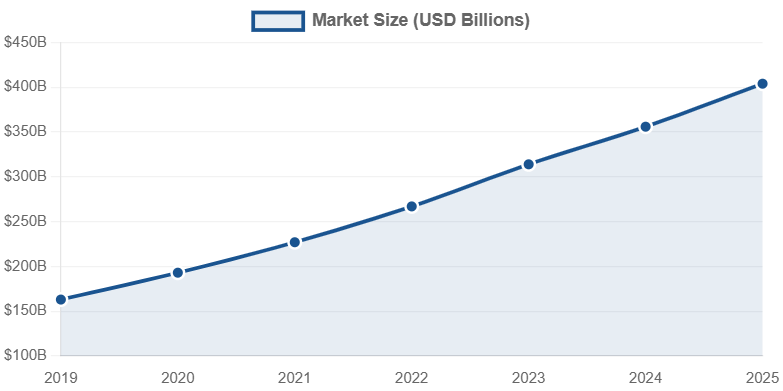
The education technology sector is experiencing unprecedented growth, with the global EdTech market projected to reach $404 billion by 2025 according to HolonIQ. As traditional education models struggle to meet the demands of modern learners and working families, innovative platforms are capturing market share and investor attention.
Here are 12 emerging EdTech investment opportunities savvy investors should watch in 2025.
1. Personalized Learning Platforms
The one-size-fits-all education model is dying, and personalized learning platforms are leading the disruption. These adaptive systems use data analytics to customize curriculum pacing, content difficulty, and learning pathways for individual students.
Investment Appeal: The personalized learning market is expected to grow significantly through 2030, driven by parent demand for customized education and proven outcomes data showing higher engagement and achievement.
Key Players to Watch: Platforms offering competency-based progression, real-time feedback loops, and individualized pacing are attracting significant venture capital. Look for companies with strong retention metrics and measurable learning outcomes.
2. Accredited Virtual Academies
Full-time online schools offering accredited diplomas are no longer niche alternatives – they’re becoming mainstream education choices for families seeking flexibility, personalization, and cost savings.
A prime example is prisma online school, an accredited online school for grades 4-12 that’s redefining what virtual learning can achieve. With a project-based curriculum inspired by cutting-edge MIT and Harvard research, Prisma students average 1360 on the SAT – 28% above the national average – and boast a 100% college acceptance rate, with every graduate accepted to at least one Top 75 school.
What Makes This Model Compelling: Prisma charges $10,780-$11,980 annually compared to traditional private schools at $30,000+, offering families premium education at a fraction of the cost. The platform achieves remarkable outcomes: students grow 158% in reading and 204% in math annually (per NWEA MAP Growth assessment). The quality of instruction is maintained through highly selective hiring – Prisma accepts just 0.5% of coach applicants, ensuring only exceptional educators mentor students.
Investment Angle: Virtual academies solving the “quality + affordability + flexibility” trifecta are positioned for explosive growth as remote work normalizes and parents prioritize educational ROI over brand-name institutions.
3. AI-Powered Coaching and Mentorship
Artificial intelligence is transforming the traditional teacher-student relationship. AI coaching platforms provide 24/7 support, instant feedback, and personalized guidance while human mentors focus on relationship-building and higher-order thinking skills.
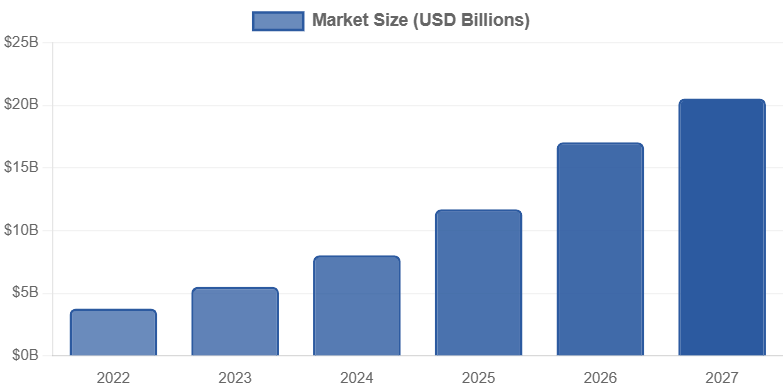
Market Opportunity: The AI in education market is projected to reach $20 billion by 2027 according to Global Market Insights. Early-stage companies combining AI automation with human mentorship are particularly attractive, offering scalability without sacrificing the human connection parents value.
Investment Thesis: Hybrid models that leverage AI for administrative tasks and routine feedback while preserving human coaches for mentorship represent the sweet spot between cost-efficiency and educational quality.
4. Competency-Based Learning Systems
Moving beyond seat time and credit hours, competency-based education (CBE) platforms allow students to progress upon mastering skills rather than completing predetermined timelines.
Market Driver: Employers increasingly value demonstrated competencies over traditional degrees, creating demand for education models that document specific skill mastery. CBE platforms with robust assessment tools and digital credentialing are attracting both K-12 and higher-ed partnerships.
Revenue Potential: Subscription-based models with B2B (school district) and B2C (direct-to-family) revenue streams offer diversified income and rapid scalability.
5. Interdisciplinary Project-Based Curriculum
Rote memorization is out; real-world application is in. Curriculum companies creating interdisciplinary, project-based content that connects multiple subjects through authentic challenges are seeing strong adoption.
Why Investors Care: These platforms command premium pricing because they deliver measurable engagement and skill development. Parents will pay for curriculum that makes learning relevant and prepares students for actual career challenges rather than standardized tests.
Growth Indicators: Look for curriculum providers with high Net Promoter Scores (NPS), strong content refresh cycles, and partnerships with accredited schools validating their educational rigor.
6. Micro-School Management Platforms
The micro-school movement – small, personalized learning environments serving 10-150 students – is exploding. Technology platforms providing these schools with curriculum, assessment, operations, and community-building tools represent a massive opportunity.
Market Size: With approximately 95,000 microschools nationwide serving 1.5 million students, and networks like Acton Academy growing from 180 to 270+ schools since 2020, the infrastructure supporting this movement is early-stage and ripe for investment.
Competitive Moat: Platforms that become the “operating system” for micro-schools benefit from strong network effects and switching costs.
7. Global Collaboration Tools for K-12
As education goes digital, platforms connecting students across borders for collaborative projects, cultural exchange, and global perspective-building are gaining traction.
Investment Thesis: Schools and families increasingly value global citizenship and cross-cultural competency. Tools facilitating authentic international collaboration – beyond superficial pen-pal experiences – solve a real problem for educators.
Monetization: Freemium models with premium features for schools, plus direct-to-family subscriptions, create multiple revenue pathways.
8. Parent-Teacher Communication Platforms
The pandemic revealed how disconnected parents were from their children’s education. Communication platforms bridging this gap with real-time updates, progress tracking, and collaborative goal-setting are essential infrastructure.
Stickiness Factor: High daily active user rates and strong community formation create defensible moats. Platforms facilitating parent communities alongside teacher communication see particularly strong retention.
Exit Strategy: Attractive acquisition targets for larger EdTech companies or education management organizations seeking to add communication layers to existing products.
9. Skills-Based Assessment Tools
Traditional grades and standardized tests are increasingly questioned. Assessment platforms measuring real-world skills – critical thinking, creativity, collaboration, problem-solving – through portfolio evaluation and competency tracking are filling the void.
Regulatory Tailwind: As states experiment with alternatives to standardized testing, assessment tools with proven validity are positioned for district-level adoption.
Data Goldmine: Companies capturing longitudinal student development data own valuable insights for continuous product improvement and potential secondary revenue streams (anonymized, aggregated analytics).
10. Flexible Scheduling and Asynchronous Learning
Platforms enabling students to learn on their own schedule while maintaining community and accountability are solving work-life balance issues for families.
Market Demand: The “work from anywhere” trend extends to education. Families want flexibility without sacrificing quality or social connection. Platforms delivering both are commanding premium pricing.
Hybrid Models: Companies combining asynchronous content with scheduled live workshops represent the best of both worlds – flexibility plus community.
11. Social-Emotional Learning (SEL) Integration
Academic achievement without emotional intelligence and social skills is incomplete preparation for adulthood. EdTech platforms weaving SEL into core curriculum rather than treating it as supplementary are differentiating successfully.
Growing Awareness: School shootings, mental health crises, and workplace demands for soft skills are driving unprecedented demand for SEL solutions.
Measurement Challenge: Companies that crack authentic SEL assessment – beyond student self-reporting – will command significant market share.
12. Educator Marketplace and Talent Platforms
The teacher shortage is real, but talented educators exist – they’re just leaving traditional systems. Platforms connecting families or micro-schools with vetted, high-quality educators create liquidity in a broken market.
Quality Matters: The most successful models rigorously screen educators, ensuring only exceptional talent mentors students. This selectivity pays off in outcomes and parent satisfaction.
Business Model: Take-rate on educator compensation, premium placements, and professional development upsells create multiple monetization levers.
What Smart Investors Are Watching
The EdTech opportunities with the strongest fundamentals share common characteristics:
Proven Outcomes: Investors want data. Platforms demonstrating measurable improvements in student achievement, engagement, or career readiness attract serious capital.
Parent Willingness to Pay: Direct-to-consumer revenue proves product-market fit better than school district sales cycles. Families voting with wallets validate quality.
Retention Metrics: Student and educator retention signal product stickiness. High churn in EdTech often indicates fundamental product problems.
Scalability: The best EdTech investments combine human elements (mentorship, community) with technology leverage (content delivery, assessment automation) to scale without linear cost increases.
Regulatory Positioning: Accreditation, compliance with education standards, and alignment with college entrance requirements reduce adoption friction and derisk the investment.
The Bottom Line
The 2025 EdTech landscape rewards innovation that solves real family pain points: cost, flexibility, personalization, and outcomes. As traditional education struggles with teacher shortages, budget constraints, and declining student engagement, alternative models are capturing market share.
Investors should focus on platforms with strong unit economics, proven educational outcomes, and sustainable competitive moats. The companies building the “new normal” in education – combining personalization, technology, and human mentorship – represent some of the most compelling investment opportunities of the decade.
Whether you’re an angel investor, VC fund, or family office, the EdTech sector deserves a close look. The disruption is just beginning, and the winners will reshape how an entire generation learns, grows, and prepares for the future of work.
The moments following a car accident can feel like a blur. Your heart is racing, adrenaline is pumping through your veins, and your mind is struggling to process what just happened. Yet these critical minutes and hours after a collision are precisely when your decisions matter most.
According to the National Highway Traffic Safety Administration, over 6 million police reported car accidents occur in the United States each year, resulting in approximately 2.7 million injuries.
Whether you find yourself dealing with minor fender damage or a serious collision that may even involve impaired driving requiring DUI case guidance, understanding the proper steps to take can make all the difference in protecting both your physical well-being and your legal rights down the road.
Why Those First Moments Matter
Many accident victims make costly mistakes in the immediate aftermath of a crash simply because they don’t know any better. They might apologize to the other driver out of politeness, not realizing this could be interpreted as an admission of fault.
They might decline medical attention because they feel fine, unaware that serious injuries often don’t present symptoms until hours or even days later. Or they might leave the scene without gathering crucial evidence that could prove essential to any future insurance claim or legal proceeding.
The Insurance Research Council has found that accident victims who take proper documentation steps and seek timely medical attention receive, on average, settlements that are three times higher than those who don’t.
This isn’t about gaming the system. It’s about ensuring you have the evidence needed to demonstrate the true extent of your injuries and losses.
Immediate Actions at the Scene
Your first priority should always be safety. If your vehicle is in a dangerous position and you are physically able to move it, pull over to the shoulder or a nearby parking lot. Turn on your hazard lights to alert other drivers. If anyone appears injured, call 911 immediately.
Even in accidents that seem minor, having an official police report creates an invaluable record of what happened.
Once safety is addressed, begin documenting everything. Use your smartphone to photograph the damage to all vehicles involved, the positions of the cars, any visible injuries, road conditions, traffic signs, and anything else that might be relevant. The Insurance Information Institute recommends capturing at least 20 to 30 photos from multiple angles. This photographic evidence can prove invaluable weeks or months later when memories have faded and insurance adjusters are questioning your account of events.
Exchange information with all other parties involved. This includes names, phone numbers, addresses, insurance company names and policy numbers, driver’s license numbers, and license plate numbers. If there are witnesses, politely ask for their contact information as well. Witnesses can provide objective accounts that help establish what actually happened.
The Hidden Danger of Delayed Injuries
One of the most dangerous mistakes accident victims make is assuming they’re fine because they don’t feel immediate pain. The human body’s stress response floods your system with adrenaline and endorphins, which can effectively mask pain and injury symptoms for hours or even days after a traumatic event.
Consider these statistics on delayed injury presentation:
Injury Type
Average Time Before Symptoms Appear
Percentage of Victims Who Experience Delay
Whiplash
24 to 48 hours
65%
Concussion
12 to 72 hours
50%
Soft Tissue Damage
24 to 72 hours
70%
Internal Bleeding
6 to 24 hours
40%
Herniated Disc
48 hours to 2 weeks
55%
This is precisely why medical professionals and legal experts alike strongly recommend seeking medical evaluation within 24 hours of any car accident, regardless of how you feel.
A thorough examination can identify injuries before they worsen, and the medical records created during this visit establish a clear connection between the accident and your injuries.
Insurance companies routinely use gaps in medical treatment as grounds to deny or reduce claims, arguing that if you were truly injured, you would have sought care immediately.
Protecting Your Legal Rights
Beyond the immediate physical concerns, certain steps are essential for protecting your ability to seek compensation for your injuries and losses.
First and foremost, report the accident to your insurance company promptly. Most policies require notification within a reasonable timeframe, and failure to report can jeopardize your coverage.
However, be careful about what you say during these conversations. Stick to the basic facts of what happened without speculating about fault or the extent of your injuries.
Keep detailed records of everything related to the accident. This includes medical bills, pharmacy receipts, documentation of missed work, and even a personal journal documenting your pain levels and how your injuries affect your daily life. These records paint a complete picture of how the accident has impacted you.
Be extremely cautious about signing any documents or accepting any settlements without first consulting with a qualified attorney. Insurance adjusters, even those from your own insurance company, are trained to minimize payouts.
An early settlement offer might seem generous when you’re stressed and facing mounting bills, but it likely doesn’t account for future medical expenses, long term pain and suffering, or other damages you haven’t yet fully appreciated.
Understanding the Timeline of Your Rights
Different states have different deadlines, known as statutes of limitations, for filing car accident claims. Missing these deadlines can permanently bar you from seeking compensation, no matter how strong your case might be.
Claim Type
Typical Deadline Range
States with Shortest Deadlines
Personal Injury
1 to 6 years
Kentucky, Louisiana, Tennessee (1 year)
Property Damage
2 to 6 years
Kentucky, Louisiana (1 year)
Wrongful Death
1 to 3 years
Kentucky, Tennessee (1 year)
Insurance Bad Faith
2 to 4 years
Varies significantly by state
These timelines begin running from the date of the accident, not from when you discover your injuries or realize the full extent of your damages. This makes prompt action essential.
When to Seek Legal Counsel
Not every fender bender requires an attorney. If the accident was truly minor, no one was injured, and fault is clear, you may be able to handle the insurance claim on your own. However, certain situations strongly warrant professional legal guidance.
You should consider consulting with an attorney if you sustained injuries requiring medical treatment, if there’s any dispute about who was at fault, if the other driver was uninsured or underinsured, if the insurance company is delaying or denying your claim, or if you’re being pressured to accept a settlement that doesn’t seem fair.
Most personal injury attorneys offer free initial consultations and work on contingency, meaning they only get paid if you receive compensation.
Moving Forward After an Accident
The weeks and months following a car accident can be challenging. You may be dealing with physical pain, mounting medical bills, lost income from missed work, and the stress of navigating insurance claims. Taking proper care of yourself both physically and emotionally during this time is crucial.
Follow through with all recommended medical treatments and rehabilitation. Keep all your appointments, take prescribed medications as directed, and don’t try to tough it out or rush your recovery. Your health comes first, and consistent medical care also demonstrates to insurance companies that your injuries are serious and ongoing.
Stay organized with all your accident related documents. Create a dedicated folder, whether physical or digital, where you keep copies of everything from police reports and medical records to correspondence with insurance companies and receipts for expenses you’ve incurred.
Finally, don’t be afraid to advocate for yourself. You have rights as an accident victim, and exercising those rights isn’t greedy or unreasonable. It’s simply ensuring that you’re made whole after someone else’s negligence disrupted your life.
Car accidents are unfortunately common, but being prepared with knowledge of the proper steps to take can help you navigate the aftermath with greater confidence.
By prioritizing your health, documenting everything thoroughly, and understanding your legal options, you give yourself the best possible foundation for recovery in every sense of the word.
The wellness industry has witnessed a remarkable shift in how people approach nutritional supplementation. Walk into any health clinic today, and you’ll likely see patients hooked up to IV drips, receiving vitamins and minerals directly into their bloodstream.
Meanwhile, millions still reach for their daily multivitamin bottle each morning. This growing interest in IV therapy for recovery has sparked an important question: does the delivery method really matter when it comes to getting essential nutrients into your body?
The answer isn’t as straightforward as wellness influencers might have you believe. Understanding the science behind nutrient absorption can help you make informed decisions about which approach truly serves your health goals.
The Science of Bioavailability
Bioavailability refers to the proportion of a nutrient that enters your bloodstream and becomes available for your body to use. This concept sits at the heart of the IV therapy versus oral supplement debate.
When you swallow a vitamin C tablet, it embarks on a complex journey through your digestive system. Your stomach acid breaks it down, enzymes process it, and your intestinal walls must absorb it before it enters your bloodstream.
Along this path, a significant portion of the nutrient gets lost or degraded. Research published in the Journal of Clinical Pharmacology shows that oral vitamin C has a bioavailability of approximately 70 to 90 percent at moderate doses, but this drops dramatically as doses increase.
Intravenous administration bypasses this entire digestive process. The nutrients flow directly into your bloodstream, achieving nearly 100 percent bioavailability. For someone seeking rapid nutrient replenishment, this difference becomes substantial.
Comparing Absorption Rates
The absorption gap between these two methods varies significantly depending on the specific nutrient in question.
Nutrient
Oral Bioavailability
IV Bioavailability
Time to Peak Levels
Vitamin C
70-90% (decreases with higher doses)
~100%
Oral: 2-3 hours / IV: Immediate
Magnesium
30-40%
~100%
Oral: 1-2 hours / IV: Immediate
B Vitamins
50-90% (varies by type)
~100%
Oral: 30-90 minutes / IV: Immediate
Glutathione
<10% (poor oral absorption)
~100%
Oral: Limited effect / IV: Immediate
Vitamin D
55-99% (fat-soluble)
~100%
Oral: 12-24 hours / IV: Immediate
These numbers tell an interesting story. Some nutrients like glutathione demonstrate terrible oral absorption because digestive enzymes break them down before they can enter the bloodstream. Others, particularly fat-soluble vitamins, absorb reasonably well when taken with food.
When IV Therapy Makes Sense
Certain situations call for the rapid, guaranteed delivery that IV therapy provides. Athletes recovering from intense training sessions or competitions often turn to IV infusions to quickly restore electrolytes and reduce inflammation. A study in the Journal of the International Society of Sports Nutrition found that IV rehydration restored plasma volume 30 percent faster than oral rehydration in dehydrated athletes.
People with digestive disorders present another clear use case. Conditions like Crohn’s disease, celiac disease, or inflammatory bowel syndrome severely impair nutrient absorption. For these individuals, oral supplementation may prove futile. The nutrients simply cannot cross the compromised intestinal barrier effectively.
Severe deficiency states also warrant consideration of IV therapy. When someone presents with dangerously low vitamin B12 levels causing neurological symptoms, waiting weeks for oral supplementation to slowly build stores could mean prolonged suffering. IV administration provides immediate therapeutic levels.
Chronic conditions involving inflammation or oxidative stress sometimes respond better to the higher blood concentrations achievable through IV delivery. Migraine sufferers, for instance, often report faster relief with IV magnesium compared to oral forms, according to research in the journal Headache.
The Case for Oral Supplements
Despite the impressive absorption statistics favoring IV therapy, oral supplements maintain several compelling advantages. Cost stands as the most obvious factor. A bottle of high-quality oral vitamins might cost $20 to $50 and last a month. A single IV therapy session typically runs between $100 and $400, making regular use financially prohibitive for many people.
Convenience matters too. Swallowing a pill takes seconds. Scheduling an IV appointment, traveling to a clinic, and sitting for 30 to 60 minutes during the infusion requires significant time investment. For maintenance of adequate nutrient levels rather than acute treatment, this trade-off rarely makes sense.
Safety considerations also weigh heavily. Oral supplementation carries minimal risk. Take too much of a water-soluble vitamin orally, and your body simply eliminates the excess through urine. IV therapy, while generally safe when administered properly, introduces risks like infection at the injection site, vein irritation, or electrolyte imbalances from rapid infusion. Any time you puncture the skin and introduce substances directly into the bloodstream, medical oversight becomes crucial.
For most healthy individuals seeking to maintain optimal nutrient status, oral supplementation works perfectly well. Studies consistently show that people with normal digestive function can correct common deficiencies like vitamin D or iron through oral supplementation, though it requires more time than IV therapy.
The Middle Ground: Strategic Use
The most sensible approach for many people involves strategic use of both methods. Think of oral supplements as your daily maintenance program and IV therapy as an occasional power tool for specific situations.
Consider someone training for a marathon. Daily oral magnesium, B vitamins, and vitamin D support their increased nutritional needs throughout months of training. Then, immediately after the race when their body is depleted and inflamed, an IV infusion packed with electrolytes, vitamin C, and antioxidants could accelerate recovery and reduce muscle soreness.
A business professional might take oral supplements throughout the year but opt for an immunity-focused IV treatment when they feel the first signs of illness before an important presentation. The rapid boost to immune function that IV vitamin C and zinc provide could make the difference between showing up strong or calling in sick.
People with absorption issues might use IV therapy for nutrients that their bodies struggle to absorb orally while taking other vitamins in pill form. Someone with poor glutathione absorption could receive periodic IV glutathione while managing other nutritional needs through conventional supplements.
Making Your Decision
Several factors should guide your choice between IV therapy and oral supplementation. Start by honestly assessing your current health status and goals. Do you have a diagnosed deficiency requiring rapid correction? Is your digestive system functioning normally? Are you dealing with an acute situation or simply trying to maintain good health?
Consider the specific nutrients you need. Some vitamins and minerals absorb well orally, making expensive IV therapy unnecessary. Others, like glutathione, may only provide benefits when administered intravenously.
Budget and convenience play legitimate roles in this decision. The best supplement is one you’ll actually use consistently. If IV therapy’s cost or time commitment will prevent regular use, oral supplements that you take daily will ultimately serve you better than occasional IV treatments.
Consult with healthcare providers who understand both modalities. Be wary of clinics that push IV therapy as a universal solution or dismiss oral supplementation entirely. The most credible practitioners will acknowledge that both methods have appropriate applications.
The Bottom Line
IV therapy and oral supplements each have distinct roles in nutritional medicine. IV therapy delivers superior bioavailability, immediate effects, and powerful acute benefits for specific situations. Oral supplements offer affordability, convenience, and effective maintenance of nutrient levels for most healthy people.
Rather than viewing these as competing approaches, consider them complementary tools in your wellness toolkit. The question isn’t which method is universally better, but rather which method serves your specific needs at any given time.
Sometimes you need the sledgehammer of IV therapy to address acute deficiencies or support intense recovery. Other times, the steady consistency of daily oral supplements provides everything your body requires.
Your individual health status, goals, budget, and circumstances should drive your decision. With a clear understanding of how each method works and when each makes sense, you can make choices that truly support your wellbeing rather than simply following the latest wellness trend.