



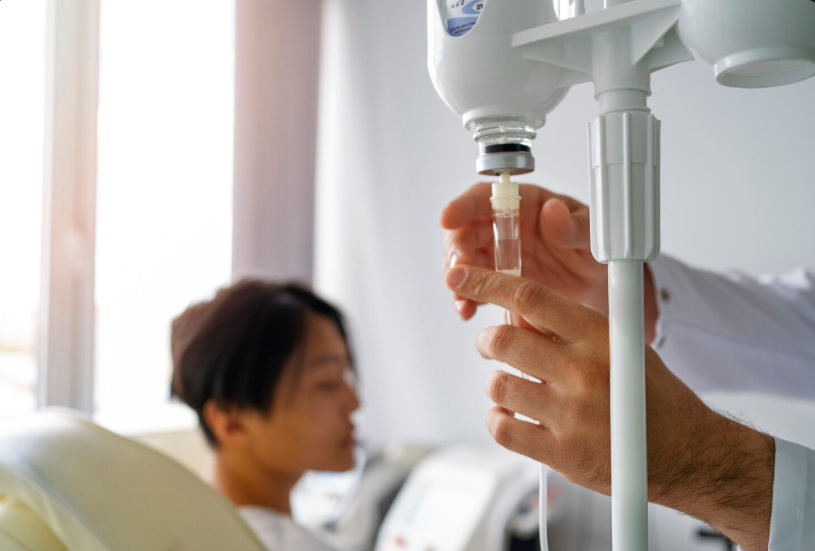
The wellness industry has witnessed a remarkable shift in how people approach nutritional supplementation. Walk into any health clinic today, and you’ll likely see patients hooked up to IV drips, receiving vitamins and minerals directly into their bloodstream.
Meanwhile, millions still reach for their daily multivitamin bottle each morning. This growing interest in IV therapy for recovery has sparked an important question: does the delivery method really matter when it comes to getting essential nutrients into your body?
The answer isn’t as straightforward as wellness influencers might have you believe. Understanding the science behind nutrient absorption can help you make informed decisions about which approach truly serves your health goals.
The Science of Bioavailability
Bioavailability refers to the proportion of a nutrient that enters your bloodstream and becomes available for your body to use. This concept sits at the heart of the IV therapy versus oral supplement debate.
When you swallow a vitamin C tablet, it embarks on a complex journey through your digestive system. Your stomach acid breaks it down, enzymes process it, and your intestinal walls must absorb it before it enters your bloodstream.
Along this path, a significant portion of the nutrient gets lost or degraded. Research published in the Journal of Clinical Pharmacology shows that oral vitamin C has a bioavailability of approximately 70 to 90 percent at moderate doses, but this drops dramatically as doses increase.
Intravenous administration bypasses this entire digestive process. The nutrients flow directly into your bloodstream, achieving nearly 100 percent bioavailability. For someone seeking rapid nutrient replenishment, this difference becomes substantial.
Comparing Absorption Rates
The absorption gap between these two methods varies significantly depending on the specific nutrient in question.
| Nutrient | Oral Bioavailability | IV Bioavailability | Time to Peak Levels |
| Vitamin C | 70-90% (decreases with higher doses) | ~100% | Oral: 2-3 hours / IV: Immediate |
| Magnesium | 30-40% | ~100% | Oral: 1-2 hours / IV: Immediate |
| B Vitamins | 50-90% (varies by type) | ~100% | Oral: 30-90 minutes / IV: Immediate |
| Glutathione | <10% (poor oral absorption) | ~100% | Oral: Limited effect / IV: Immediate |
| Vitamin D | 55-99% (fat-soluble) | ~100% | Oral: 12-24 hours / IV: Immediate |
These numbers tell an interesting story. Some nutrients like glutathione demonstrate terrible oral absorption because digestive enzymes break them down before they can enter the bloodstream. Others, particularly fat-soluble vitamins, absorb reasonably well when taken with food.
When IV Therapy Makes Sense
Certain situations call for the rapid, guaranteed delivery that IV therapy provides. Athletes recovering from intense training sessions or competitions often turn to IV infusions to quickly restore electrolytes and reduce inflammation. A study in the Journal of the International Society of Sports Nutrition found that IV rehydration restored plasma volume 30 percent faster than oral rehydration in dehydrated athletes.
People with digestive disorders present another clear use case. Conditions like Crohn’s disease, celiac disease, or inflammatory bowel syndrome severely impair nutrient absorption. For these individuals, oral supplementation may prove futile. The nutrients simply cannot cross the compromised intestinal barrier effectively.
Severe deficiency states also warrant consideration of IV therapy. When someone presents with dangerously low vitamin B12 levels causing neurological symptoms, waiting weeks for oral supplementation to slowly build stores could mean prolonged suffering. IV administration provides immediate therapeutic levels.
Chronic conditions involving inflammation or oxidative stress sometimes respond better to the higher blood concentrations achievable through IV delivery. Migraine sufferers, for instance, often report faster relief with IV magnesium compared to oral forms, according to research in the journal Headache.
The Case for Oral Supplements
Despite the impressive absorption statistics favoring IV therapy, oral supplements maintain several compelling advantages. Cost stands as the most obvious factor. A bottle of high-quality oral vitamins might cost $20 to $50 and last a month. A single IV therapy session typically runs between $100 and $400, making regular use financially prohibitive for many people.
Convenience matters too. Swallowing a pill takes seconds. Scheduling an IV appointment, traveling to a clinic, and sitting for 30 to 60 minutes during the infusion requires significant time investment. For maintenance of adequate nutrient levels rather than acute treatment, this trade-off rarely makes sense.
Safety considerations also weigh heavily. Oral supplementation carries minimal risk. Take too much of a water-soluble vitamin orally, and your body simply eliminates the excess through urine. IV therapy, while generally safe when administered properly, introduces risks like infection at the injection site, vein irritation, or electrolyte imbalances from rapid infusion. Any time you puncture the skin and introduce substances directly into the bloodstream, medical oversight becomes crucial.
For most healthy individuals seeking to maintain optimal nutrient status, oral supplementation works perfectly well. Studies consistently show that people with normal digestive function can correct common deficiencies like vitamin D or iron through oral supplementation, though it requires more time than IV therapy.
The Middle Ground: Strategic Use
The most sensible approach for many people involves strategic use of both methods. Think of oral supplements as your daily maintenance program and IV therapy as an occasional power tool for specific situations.
Consider someone training for a marathon. Daily oral magnesium, B vitamins, and vitamin D support their increased nutritional needs throughout months of training. Then, immediately after the race when their body is depleted and inflamed, an IV infusion packed with electrolytes, vitamin C, and antioxidants could accelerate recovery and reduce muscle soreness.
A business professional might take oral supplements throughout the year but opt for an immunity-focused IV treatment when they feel the first signs of illness before an important presentation. The rapid boost to immune function that IV vitamin C and zinc provide could make the difference between showing up strong or calling in sick.
People with absorption issues might use IV therapy for nutrients that their bodies struggle to absorb orally while taking other vitamins in pill form. Someone with poor glutathione absorption could receive periodic IV glutathione while managing other nutritional needs through conventional supplements.
Making Your Decision
Several factors should guide your choice between IV therapy and oral supplementation. Start by honestly assessing your current health status and goals. Do you have a diagnosed deficiency requiring rapid correction? Is your digestive system functioning normally? Are you dealing with an acute situation or simply trying to maintain good health?
Consider the specific nutrients you need. Some vitamins and minerals absorb well orally, making expensive IV therapy unnecessary. Others, like glutathione, may only provide benefits when administered intravenously.
Budget and convenience play legitimate roles in this decision. The best supplement is one you’ll actually use consistently. If IV therapy’s cost or time commitment will prevent regular use, oral supplements that you take daily will ultimately serve you better than occasional IV treatments.
Consult with healthcare providers who understand both modalities. Be wary of clinics that push IV therapy as a universal solution or dismiss oral supplementation entirely. The most credible practitioners will acknowledge that both methods have appropriate applications.
The Bottom Line
IV therapy and oral supplements each have distinct roles in nutritional medicine. IV therapy delivers superior bioavailability, immediate effects, and powerful acute benefits for specific situations. Oral supplements offer affordability, convenience, and effective maintenance of nutrient levels for most healthy people.
Rather than viewing these as competing approaches, consider them complementary tools in your wellness toolkit. The question isn’t which method is universally better, but rather which method serves your specific needs at any given time.
Sometimes you need the sledgehammer of IV therapy to address acute deficiencies or support intense recovery. Other times, the steady consistency of daily oral supplements provides everything your body requires.
Your individual health status, goals, budget, and circumstances should drive your decision. With a clear understanding of how each method works and when each makes sense, you can make choices that truly support your wellbeing rather than simply following the latest wellness trend.