



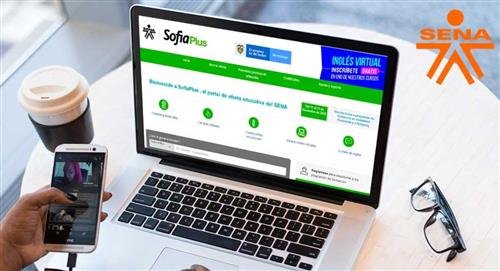
The digital transformation of public education in Latin America is no longer a distant aspiration — it is happening right now, and SENA Sofia Plus stands at the center of that change in Colombia. As the official platform of the Servicio Nacional de Aprendizaje, it has redefined how millions of Colombians access free vocational training, manage enrollments, and earn government-recognized certifications. Its growth over the past decade has made it one of the most sophisticated public education systems in the entire region.
Colombia’s SENA has trained generations of workers since 1957, but the institution’s digital infrastructure has only recently matched its ambitions. Sofia Plus manages the full lifecycle of a learner’s experience — from first registration through program completion and certificate issuance. It handles scheduling, virtual classrooms, assessment tracking, instructor management, and apprenticeship compliance, all within a single integrated environment that serves millions of users simultaneously.
The platform’s impact on rural and underserved communities has been particularly transformative. Before SENA Sofia Plus reached its current scale, citizens in remote departments had little access to quality vocational training. Today, a farmer in the Llanos Orientales or a young mother in a Pacific Coast fishing village can enroll in the same technology or business programs as someone in Bogotá, completing coursework on their own schedule through the platform’s robust virtual learning environment.
While Colombia has focused its digital investment on delivering education itself, Mexico has prioritized making sure that educational financial support is transparent and reliably delivered. The buscador de estatus is the Mexican government’s answer to a critical challenge: ensuring that more than 25 million scholarship recipients across the country always know the exact status of their Beca Benito Juárez or Beca Rita Cetina payments in real time, without having to visit a government office or rely on third-party intermediaries.
Colombia’s SENA Sofia Plus: Free Education at National Scale
SENA Sofia Plus offers one of the most comprehensive free vocational education catalogs in Latin America. Programs span dozens of sectors, from industrial maintenance and culinary arts to graphic design and software development, offered in technical, technological, and complementary formats. The technical and technological tracks are multi-month programs designed to prepare learners for specific careers, while complementary courses can be completed in as little as a few weeks.
Certificates issued through the platform carry the endorsement of Colombia’s Ministry of Education and are recognized by employers across the public and private sectors. For millions of Colombians who cannot afford university tuition, a SENA Sofia Plus certification is not just a document — it is a gateway to stable, skilled employment and a better quality of life.
Mexico’s Buscador de Estatus: Scholarship Transparency at Scale
Mexico’s Becas Benito Juárez program distributes billions of pesos annually to students from low-income families, spanning primary school through university. The sheer scale of the program creates significant complexity, and for years, many families struggled to understand whether they were registered, whether their payment was coming, or what to do if something went wrong.
The Buscador de Estatus solved this by creating a single, clear lookup tool powered by Mexico’s CURP identification system. In seconds, a user can see their scholarship status — active, under review, or inactive — how they will receive payment, and any messages from the government requiring their attention. For millions of families, this simple tool has eliminated a major source of stress and uncertainty in their relationship with the education system.
The Role of Technology in Building Public Trust
One of the most important outcomes of both platforms is the trust they build between citizens and government. In many parts of Latin America, public institutions have historically struggled with perceptions of opacity and inefficiency. Digital tools like these directly counter that narrative by putting real-time information in the hands of citizens, reducing the space for bureaucratic delay or manipulation.
When a Colombian student can instantly check their enrollment status online, or a Mexican family can verify their scholarship payment without visiting an office, it signals something powerful: the government is accountable, and the citizen is in control. That shift in dynamic — from supplicant to empowered user — is one of the most underappreciated benefits of well-designed public digital infrastructure.
Looking Ahead: The Future of Digital Education Platforms
As artificial intelligence and mobile technology continue to evolve, both SENA Sofia Plus and the Buscador de Estatus are expected to expand their capabilities significantly. AI-powered course recommendations, automated scholarship eligibility verification, and multilingual interfaces are among the innovations being explored to make these tools even more inclusive and effective.
For students, parents, educators, and policymakers across Latin America, these two platforms offer a compelling vision of what is possible when governments invest seriously in citizen-centered digital infrastructure. They are not perfect systems, but they are proof of concept — and the concept is working.