




Introduction
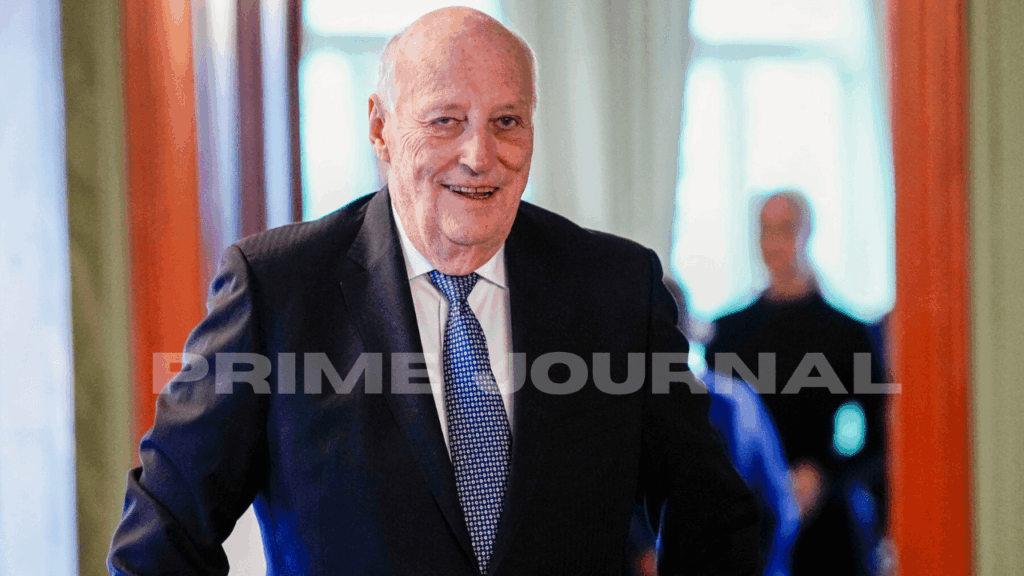
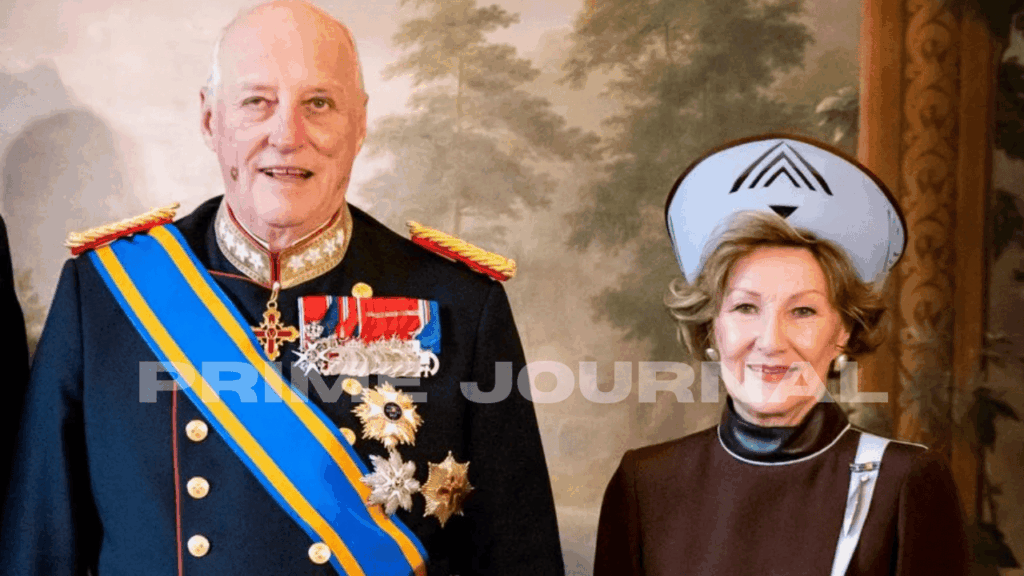
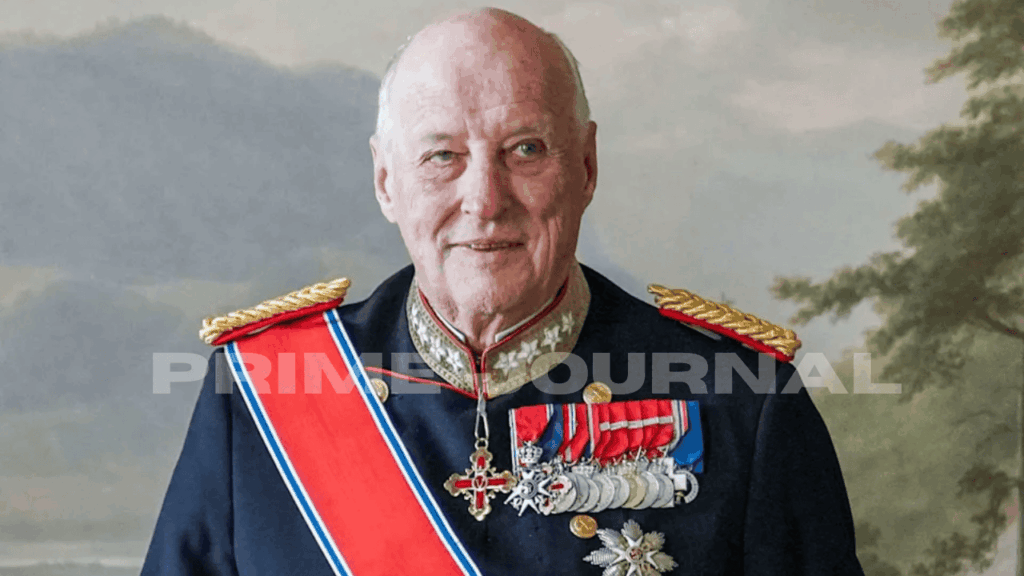
When discussing European royalty, King Harald V of Norway often stands out as one of the most respected monarchs of modern times. Known for his humility, dedication to public service, and symbolic leadership, King Harald has reigned since 1991. Beyond his duties as a constitutional monarch, many people are curious about his financial standing.
So, what is King Harald V of Norway’s net worth in 2025? How does it compare to other European royals? What assets does he control, and what role does the Norwegian monarchy play in wealth and finances?
This article takes a deep dive into the financial life of King Harald V—covering his estimated net worth, income sources, royal properties, family wealth, comparisons with other monarchs, and more.
King Harald V of Norway Net Worth (2025 Estimate)
The net worth of King Harald V of Norway in 2025 is estimated at around $30 million – $40 million.
While this figure is significantly lower than monarchs such as King Charles III of the UK or King Salman of Saudi Arabia, Harald V’s financial profile reflects Norway’s constitutional monarchy, which focuses on state-funded duties rather than vast personal wealth.
Quick Overview Table
| Category | Details |
| Full Name | Harald V |
| Title | King of Norway |
| Date of Birth | February 21, 1937 |
| Reign Began | January 17, 1991 |
| Estimated Net Worth (2025) | $30 – $40 million |
| Primary Wealth Source | Royal allowance, inheritance, investments |
| Comparison | Less than UK’s King Charles III (~$600M) but higher than some Scandinavian royals |
Sources of King Harald V’s Wealth
Unlike private business tycoons or oil-rich monarchs, King Harald’s net worth is not tied to vast business empires. Instead, it comes from a blend of state allowances, personal inheritance, and modest investments.
1. Royal Allowance from the Norwegian State
- The Norwegian monarchy is financed by taxpayers through the State Budget.
- In 2023, the royal family received approximately $35 million annually to cover official duties, staff salaries, travel, and maintenance of royal properties.
- Importantly, this allowance is not personal wealth but funding for the monarchy’s functioning.
2. Personal Inheritance
- King Harald inherited wealth from King Olav V (his father) and earlier royal family estates.
- These include personal properties, jewelry, artworks, and financial assets.
3. Investments & Private Assets
- While not heavily publicized, Harald V is believed to hold private investments in stocks and bonds.
- Norway’s strict transparency laws mean monarchs cannot accumulate hidden fortunes easily.
4. Royal Properties (Symbolic, Not Fully Personal)
- Palaces such as the Royal Palace in Oslo and Skaugum Estate are technically state-owned, but the king and his family enjoy exclusive rights of use.
Royal Properties and Assets
King Harald’s wealth is modest compared to royals in oil-rich nations, but he still enjoys access to prestigious estates and residences.
Key Properties
| Property | Location | Ownership | Purpose |
| Royal Palace (Slottet) | Oslo | State-owned | Official residence, receptions, and offices |
| Skaugum Estate | Asker | Privately owned by the royal family | Crown Prince Haakon and family residence |
| Bygdøy Royal Estate | Oslo | State-owned | Used for leisure and events |
| Kongsseteren (King’s Villa) | Oslo | Royal family property | Holiday retreat |
Alt text suggestion for images: “The Royal Palace in Oslo, residence of King Harald V of Norway.”
Comparison with Other European Monarchs
King Harald’s net worth is relatively modest when compared to other monarchs.
| Monarch | Country | Estimated Net Worth (2025) |
| King Charles III | United Kingdom | ~$600M |
| King Harald V | Norway | ~$30–40M |
| Queen Margrethe II | Denmark | ~$50M |
| King Carl XVI Gustaf | Sweden | ~$70M |
| King Felipe VI | Spain | ~$20M |
This comparison shows how Scandinavian monarchs generally have smaller personal fortunes, reflecting their symbolic, people-centered roles rather than absolute power.
King Harald V’s Lifestyle
Despite being a monarch, King Harald V is known for his humility and down-to-earth lifestyle.
- Sailing Enthusiast: A former Olympian, Harald has represented Norway in sailing competitions.
- Sports Legacy: He competed in the 1964, 1968, and 1972 Olympic Games.
- Modest Approach: Unlike royals with luxury yachts and private jets, Harald V often travels on commercial flights or official state aircraft.
- Charitable Work: He supports charities related to youth, sports, health, and culture.
Legacy and Public Image
King Harald’s legacy is not built on wealth, but on service and dedication to Norway. He has guided the nation through times of change, from modernization to Norway’s increasing global presence.
Some highlights:
- Advocated for tolerance, equality, and diversity in his speeches.
- Seen as a unifying figure in Norwegian society.
- Maintains high approval ratings among citizens.
FAQs
1. What is King Harald V of Norway’s net worth in 2025?
King Harald V’s net worth is estimated at $30 million to $40 million.
2. Does King Harald own the Royal Palace in Oslo?
No. The palace is state-owned, but the king has exclusive rights to use it.
3. How does King Harald earn his money?
His wealth comes from state allowances, inheritance, and private investments.
4. Is King Harald richer than King Charles III of the UK?
No. King Charles III is worth around $600 million, far more than Harald V.
5. Who will inherit King Harald’s wealth?
Crown Prince Haakon, his only son, will inherit the private wealth and symbolic royal estates.
6. Why is King Harald’s net worth lower than other monarchs?
Norway’s monarchy is constitutional and transparent, focusing on public service rather than amassing personality
Conclusion
King Harald V of Norway’s net worth in 2025 reflects the unique character of the Norwegian monarchy—modest, transparent, and service-oriented. Unlike monarchs who rule vast empires of wealth, Harald’s fortune is moderate, rooted in inheritance, state allowances, and symbolic properties.
What sets him apart is not his financial worth but his unwavering dedication to Norway, his humility, and his role as a unifying figure.