



In the highly regulated food and beverage industry, packaging is far more than a branding or logistical concern. It plays a critical role in protecting public health, preserving product quality, and maintaining consumer trust. As food systems become more global and supply chains more complex, manufacturers are under increasing pressure to adopt packaging materials that meet strict safety standards while delivering high performance. Among the many materials used today, PETG Shrink Film has emerged as a reliable and compliant solution for food and beverage packaging.
PETG shrink film is widely recognized for its clarity, strength, and versatility, but its true value lies in its ability to support health and safety objectives. From ensuring food-contact compliance to enabling tamper evidence and hygienic handling, PETG shrink film helps manufacturers meet both regulatory requirements and consumer expectations. Understanding how this material contributes to quality and compliance is essential for brands aiming to operate responsibly in competitive markets.
Understanding PETG Shrink Film and Its Role in Packaging
PETG, or polyethylene terephthalate glycol-modified, is a thermoplastic polymer known for its durability, transparency, and ease of processing. When used as a shrink film, PETG tightly conforms to containers when heated, creating a secure, visually appealing package. This snug fit not only enhances shelf presence but also provides functional benefits, including safety and protection.
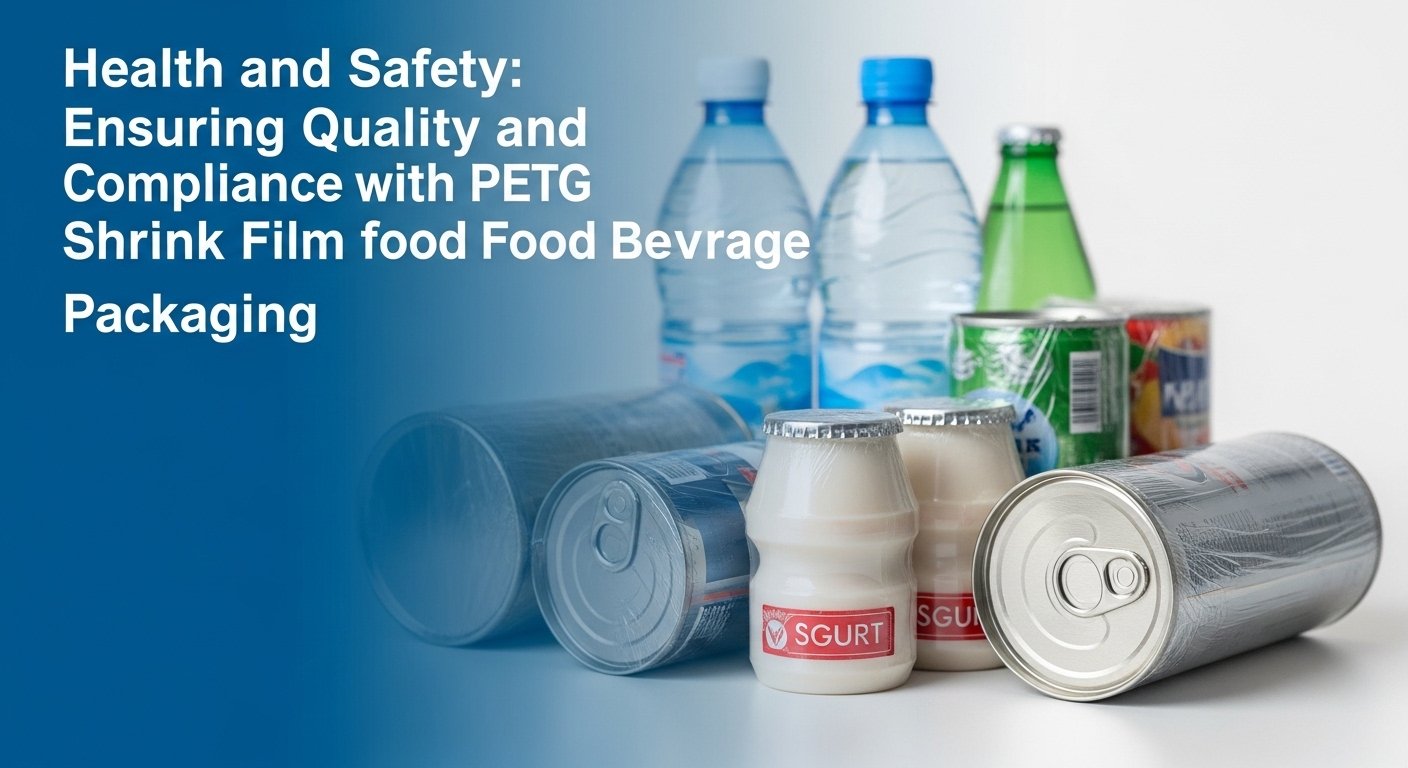
In food and beverage packaging, PETG shrink film is commonly used for full-body sleeves, tamper-evident bands, and multipack bundling. Its ability to shrink uniformly around complex container shapes makes it suitable for a wide range of products, including bottled beverages, dairy items, sauces, condiments, and ready-to-drink products. More importantly, PETG’s material properties allow it to perform these functions without compromising health and safety standards.
Food Contact Safety and Material Compliance
One of the most critical considerations in food and beverage packaging is whether the material is safe for indirect or direct food contact. PETG shrink film is widely accepted as a food-safe material when manufactured under controlled conditions and in compliance with regulatory guidelines. Reputable PETG films are produced from high-purity resins that meet international food-contact regulations, including those set by the FDA, EFSA, and other regional regulatory bodies.
PETG does not contain harmful plasticizers or heavy metals that could migrate into food or beverages under normal use conditions. Its chemical stability ensures that it remains inert when exposed to moisture, temperature variations, and external handling during transportation and storage. This stability is especially important for beverages and liquid foods, where prolonged contact with packaging materials is unavoidable.
Compliance documentation, such as declarations of conformity and migration test reports, plays a key role in validating PETG shrink film for food-related applications. Manufacturers that prioritize certified PETG materials can confidently demonstrate adherence to safety regulations during audits and inspections.
Preventing Contamination and Preserving Hygiene
Hygiene is a central concern in food and beverage packaging, particularly in an era where consumers are increasingly aware of contamination risks. PETG shrink film contributes to hygienic packaging by creating a protective barrier around containers. This barrier minimizes direct contact between the product’s surface and external contaminants such as dust, moisture, and handling residues.
In retail environments, PETG shrink sleeves act as a first line of defense against tampering and accidental exposure. By fully covering the container, the film reduces the risk of contamination during shelf stocking and consumer handling. This is especially valuable for products with closures, lids, or spouts that could otherwise be exposed.
The smooth surface of PETG shrink film also supports clean labeling and reduces the accumulation of dirt or debris. When applied in controlled packaging environments, PETG sleeves help maintain consistent hygiene standards from production to point of sale.
Tamper Evidence and Consumer Safety
Tamper evidence is a critical component of consumer safety in food and beverage packaging. PETG shrink film is particularly effective at providing visible, reliable tamper-evident features. When designed as neck bands or full-body sleeves with perforations, PETG film clearly indicates whether a product has been opened or altered.
This visible assurance helps protect consumers from accidental or intentional interference with products. In the event of tampering, the shrink film must be damaged or removed, making any interference immediately noticeable. This not only safeguards end users but also protects brand reputation by reducing the risk of compromised products reaching consumers.
For beverages, sauces, and nutritional products, tamper-evident PETG shrink films have become an industry standard. Their consistent performance under heat application ensures uniform sealing, which is essential for maintaining product integrity across high-volume production lines.
Mechanical Strength and Packaging Integrity
Packaging failures can lead to leaks, spoilage, and safety hazards. PETG shrink film offers strong mechanical properties, helping maintain packaging integrity throughout the supply chain. Its resistance to tearing, puncturing, and cracking makes it suitable for products that undergo frequent handling, stacking, and transportation.
In food and beverage logistics, packages are exposed to varying temperatures, humidity levels, and mechanical stress. PETG shrink film retains its strength and shape under these conditions, reducing the likelihood of label damage or sleeve separation. This durability ensures that safety-related information, such as ingredient lists and expiration dates, remains visible and intact.
By maintaining a secure fit around containers, PETG shrink film also helps prevent accidental opening or spillage, which could otherwise lead to contamination or waste.
Thermal Stability and Processing Safety
The application of shrink film involves controlled heat exposure, making thermal stability an important safety consideration. PETG shrink film is designed to shrink at relatively low and consistent temperatures, allowing it to be applied efficiently without damaging containers or the product inside.
This controlled shrink behavior is particularly important for heat-sensitive food and beverage products. PETG’s predictable response to heat minimizes the risk of deformation, melting, or release of unwanted substances during the shrink process. As a result, manufacturers can maintain safe production environments while achieving high-quality packaging results.
The ability to process PETG shrink film in standard shrink tunnels also enhances operational safety, reducing the need for excessive heat or specialized equipment.
Regulatory Standards and Quality Assurance Practices
Ensuring compliance with health and safety regulations requires more than choosing the right material. It involves rigorous quality assurance practices throughout the packaging lifecycle. PETG shrink film suppliers typically operate under strict quality management systems that govern raw material selection, production conditions, and final inspection.
Batch traceability, routine testing, and documentation are essential components of regulatory compliance. PETG films intended for food and beverage use are often tested for migration limits, mechanical performance, and optical clarity. These tests help verify that the film meets both safety and functional requirements.
For brand owners and packaging converters, working with certified PETG shrink film manufacturers simplifies compliance management. Access to technical data sheets and compliance certificates supports transparent communication with regulators and retail partners.
Sustainability, Health, and Responsible Packaging
Health and safety considerations increasingly overlap with sustainability goals. PETG shrink film supports responsible packaging initiatives by being recyclable in many PET streams when properly designed and labeled. Clear PETG sleeves, in particular, can be compatible with recycling processes when combined with appropriate inks and adhesives.
Reducing material waste also contributes indirectly to health and safety by minimizing environmental contamination and supporting cleaner ecosystems. PETG’s strength and clarity enable downgauging, reducing material use without compromising performance.
As consumers become more conscious of both food safety and environmental impact, PETG shrink film offers a balanced solution that addresses both concerns.
Building Consumer Trust Through Safe Packaging
Ultimately, packaging is a direct point of interaction between a brand and its consumers. Safe, compliant packaging communicates professionalism, responsibility, and care. PETG shrink film enhances consumer trust by providing clear labeling, visible tamper-evident features, and hygienic protection.
When consumers feel confident that a product has been packaged safely and responsibly, they are more likely to remain loyal to the brand. In competitive food and beverage markets, this trust can be a decisive factor in purchasing decisions.
By investing in high-quality PETG shrink film and adhering to health and safety standards, manufacturers send a clear message that consumer well-being is a top priority.
Conclusion: PETG Shrink Film as a Foundation for Safe Food Packaging
Health and safety are non-negotiable in food and beverage packaging, and material selection is pivotal to achieving compliance and quality. PETG shrink film and Bopet Twist Film stand out as reliable, safe, and regulatory-compliant solutions that meet the complex demands of modern packaging systems.
From food-contact safety and hygiene protection to tamper evidence and mechanical durability, PETG shrink film supports every stage of the packaging lifecycle. When combined with robust quality assurance practices and responsible sourcing, it enables brands to protect consumers, meet regulatory requirements, and maintain strong market credibility.
As the food and beverage industry continues to evolve, PETG shrink film remains a trusted material for manufacturers committed to safety, compliance, and long-term success.