




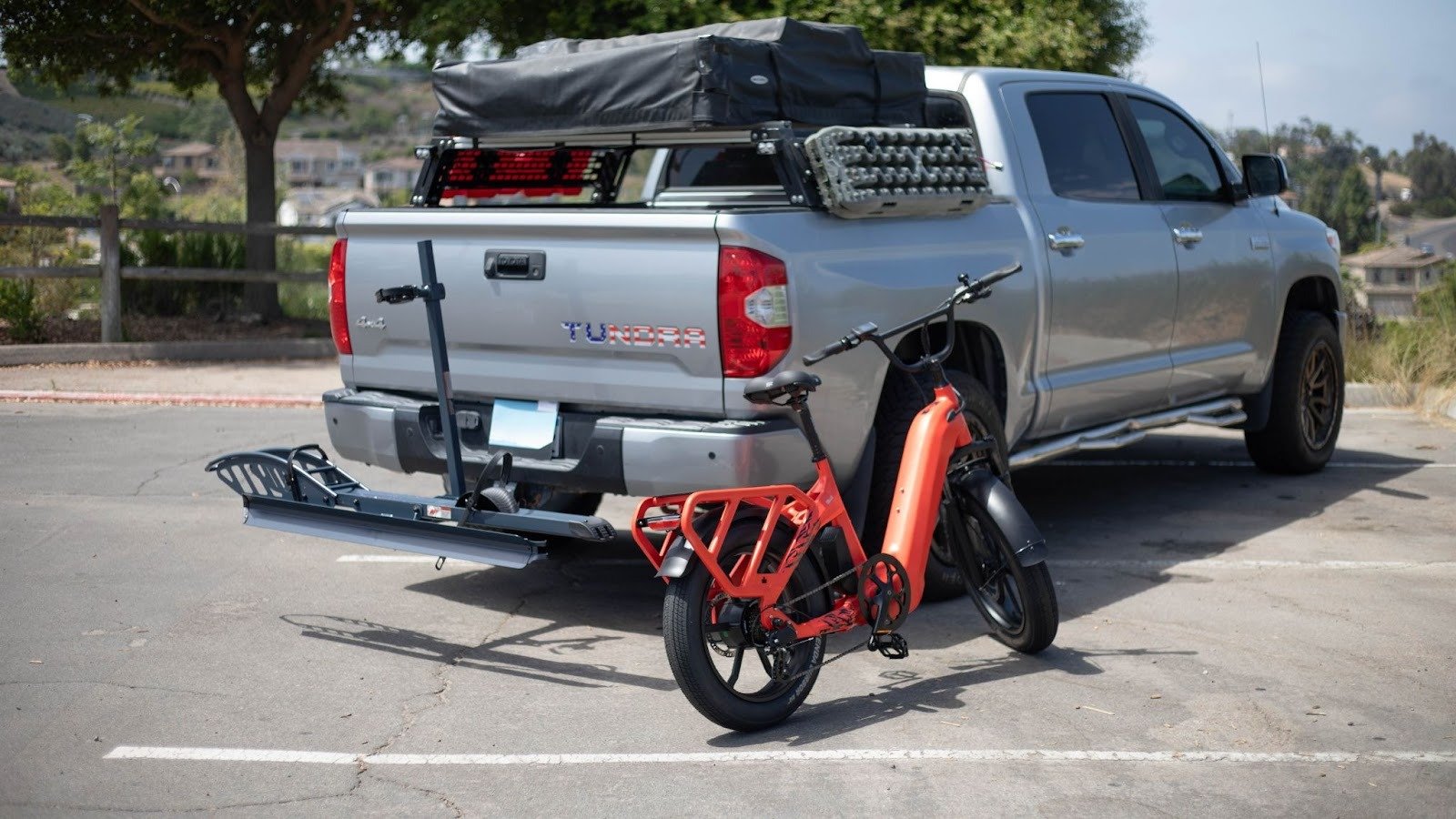
The selection of the appropriate rack can change the process of travelling with a bike. When comparing the choices of a hitch bike rack to be used on a daily basis as well as over the weekend, consider such aspects as capacity, clearance, the type of vehicle and distance of bikes. CRAVOT provides models that are lightweight but put durability into consideration.
Understand rack capacity and vehicle compatibility
The first point is the rack capacity. Producers provide the count of bikes and the maximum weight of each bike rack and therefore a more sturdy platform is required when the weight of the bike is higher than the listed. The size of the vehicle influences the length or shortness of the rack and the majority of them use a receiver either 1.25 inch or 2 inch.
Types of hitch racks and sizing implications
There are two main styles. Each bike is placed on a flat tray rack that is suited to heavy eBikes or full suspension mountain bikes. Hanging or swing-away frames have frames that are clamped and folded down. Tray systems consume a lot of horizontal areas and offer stability. Hanging systems are less heavy and can be loaded fast but not so heavy frames.
Measure your bike and vehicle for a precise fit
Measure the width of tire, handlebar height and wheelbase of each bike you intend to transport and give spacing between bikes and bicycle locks. Two fat-tire eBikes take more space than two road bikes with narrow tires. Make sure that the rack does not interfere with trunk or tailgate swing, and ensure ground clearance to make sure that sensor and exhaust are operable.
Loading and clearance considerations
The height of the loading is important when you frequently load your bikes to the rack. Reduced loading height decreases load-strain and accelerates loading. The tilt and swing allow access to the trunk without dismounting bikes. Search anti-wobble hardware to reduce the movement as well as safeguard paint. Ensure the rack does not provide too little space to prevent the overlap of handlebar and pedals.
Materials, construction, and weather resistance
Ordinary materials consist of steel and aluminum. Steel has hardened strength which is capable of rusting unless it is coated. Aluminum is light and does not corrode yet it may be more flexible. Find racks that have powder coating finishes on them and fasteners that cannot rust. CRAVOT designs consider primarily treated metal and sealed hardware which will shake off seasonal exposure. Check mounting points and quality of weld as these factor in reliability in the long run.
Security and theft prevention
It has a lockable hitch security and an inbuilt cable that secures your bikes. There are some racks which contain locks that lock the rack and the bikes. In case the theft is an issue, use keyed locks and may include an extra chain or heavy-duty cable as additional protection. Lock security is different and can be used as the initial protection of expensive bikes.
Budgeting and long-term value
Price indicates quality of building, capacity and features. The entry level models are cheap but might not be equipped with anti-wobble and tilt features. Mid-range models are more convenient and more materialized. The high-end racks are made to bear heavy weight and be used regularly. Cost should be considered with factors of warranty, customer support, and availability of replacement parts to get the best value in the long run.
Maintenance tips to extend lifespan
The rack should be inspected on a regular basis to ensure it is safe to operate. Proper care of a hitch mount bike rack includes wiping down dirt and road salt when returning home, greasing moving parts and fasteners, and ensuring everything remains tight. Change damaged straps and rubber contacts to prevent frame damage. Keeping the rack indoors when it is not used frequently is recommended to minimize long-term exposure.
However, having personally tried racks with different bikes I have discovered that even minor variations in tray placement usually cause scuff paint and clumsy pedal interactions, and so trial fitting should be considered worthy of long journeys. The installation is usually very simple, but road shake can be minimized by installing anti-wobble hardware and tightening screws per specifications of the manufacturer. Things like ratchet straps, soft frame protectors, a hitch receiver lock, and a small cable lock can be counted as accessories that will enhance safety.
Safety is about proper loading and regular check-ups, and therefore, inspect the straps and the fasteners after the initial few miles and also periodically when traveling long distances. Look at local ordinances as well on rear overhang and lighting on long loads on highways. Home practice loading is a way of enhancing safety.
Choosing the right size for your needs
Choose between the need to be compact and the need to be maximum. Two bike hitch mount bike rack is a better match to an amateur rider and can fit smaller parking areas. Families or touring bikers might want to have a four-bike tray-style with increased standoff among bikes. When you have an eBike, factors such as slot counts are less important than the weight capacity. Consider the future so that your rack is not rendered useless as your equipment advances.
Final purchase checklist
Establish the compatibility of the receiver, its maximum weight, dimensions of the rack, and its trunk clearance. Load test, where possible, to determine the behaviour of the rack on the road. Consider the review manuals and warranty details. When it comes to selecting a good brand, it is possible to use such a reputable option as CRAVOT, which guarantees clarity of specifications and steady assistance.
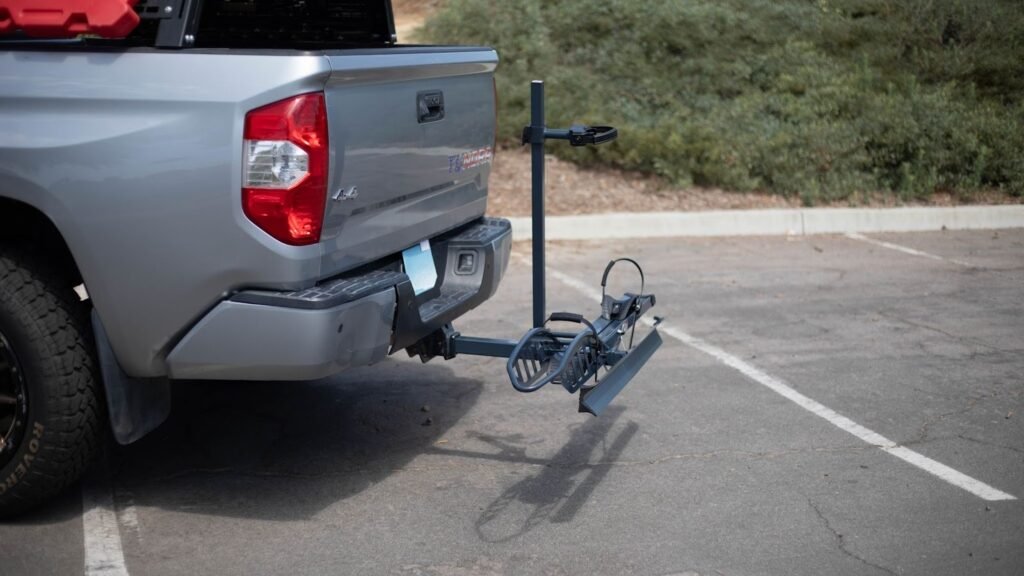
Conclusion
The selection of a trustworthy solution implies the correlation of the rack size to the size of the bicycles, the type of vehicle, and the anticipated loads, and that is the reason why a good hitch mount bike rack will ensure that any journey is safer and easier. Adequate thought is required on capacity, materials, security and maintenance requirements prior to making a purchase to ensure that the appropriate purchase is made to make carrying bikes easier and safer.
FAQs
What is the distinction between a tray and a hanging hitch bike rack?
A tray design provides wheels and helps to maintain the level of the bike that is best on the heavy bikes. A hanging style holds the frame and is usually much easier and lightweight to load.
What are the dimensions of a trunk clearance with a rack in it?
Distance between the rear of the car and the farthest point of the rack and bicycles and take into consideration the tilt or swing capabilities.
Is it possible to use electric bikes on a regular hitch rack?
eBikes can be carried provided that the weight limit of the rack allowed per bike is adequate. Heavier eBikes should come in a tray style.
Are hitch locks necessary?
Hitch locks are suggested because they fasten the rack to the receiver and prevent having a quick theft. Additional locks are recommended in the case of pricey bikes.
What is the frequency of hitch bike rack inspection?
Checking before long journeys, checking fasteners monthly during heavy usage, cleaning and lubricating moving parts on a regular basis.