




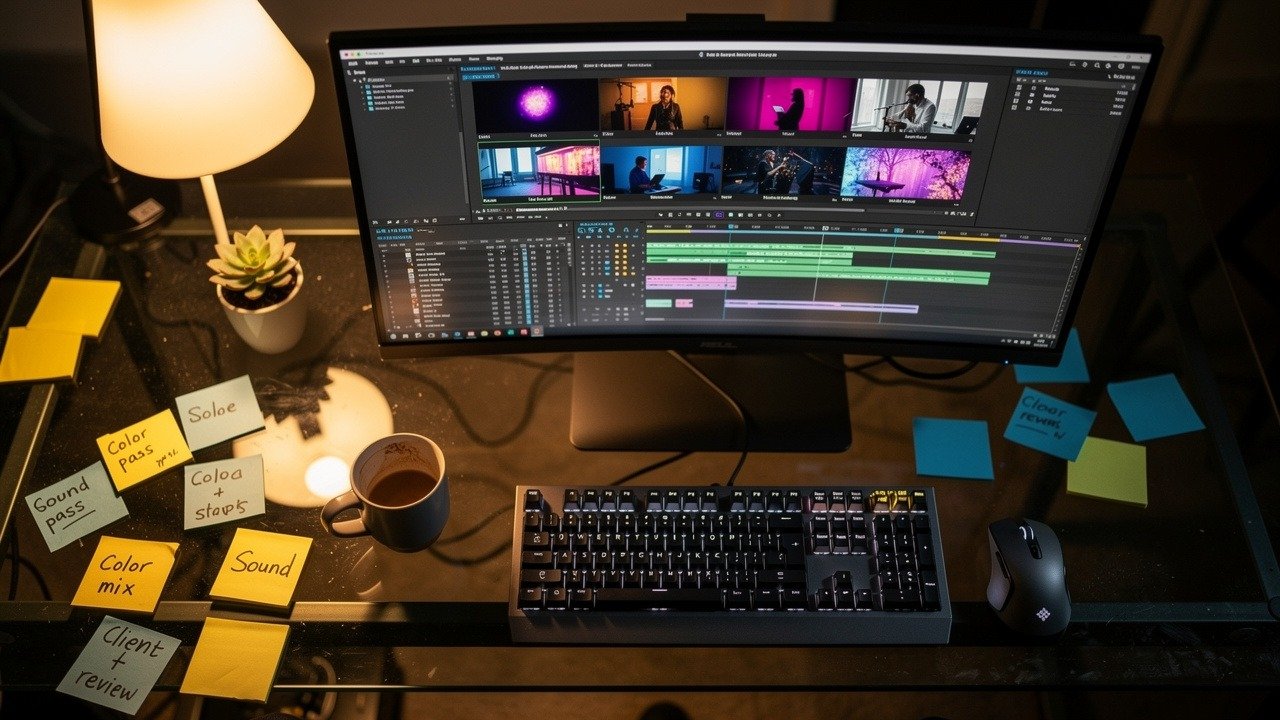
The pattern is easy to spot. A SaaS team invests five or six figures in a polished product video, launches it once, shares the link a handful of times, and then shifts focus to the next campaign.
When a single minute of serious B2B video costs four to twelve thousand dollars, that approach drains value fast.
A disciplined video repurposing strategy changes the economics. Instead of treating a webinar, demo, or customer story as a one-time asset, treat it as source material.
Break it into focused pieces. Shape each piece for a specific platform. Align everything with a clear SaaS video marketing plan across the funnel.
Repurposing requires more than posting the same file everywhere. Reused links lead to weak reach, low engagement, and messy reporting.
A considered approach reshapes the message so a CTO on LinkedIn, a founder on YouTube, and a growth lead on TikTok each see a version that fits how they prefer to learn.
This article lays out a practical four-step framework, channel-specific plays for short-form video, and a steady system for B2B video distribution.
Why SaaS Companies Cannot Afford to Ignore Video Repurposing
Look at the numbers.
An eight-thousand-dollar webinar serves live attendees and a replay link that only a fraction of prospects open.
When that same session is divided into fifty focused assets, the cost per asset drops to roughly one hundred fifty dollars while output multiplies. The math alone justifies the effort.
Attention spans on social platforms are short. A LinkedIn post holds traction for about a day. A post on X fades within hours.
SaaS brands need steady visibility, yet most teams lack the time and budget to film new content every week. A structured repurposing plan turns one strong recording into weeks of consistent activity.
Buyer behavior reinforces this. SaaS deals rarely close after one touchpoint. A founder might see a short clip in a feed, later read a blog post drawn from the same session, and then watch a two-minute demo before booking a call.
Repurposed content supports that journey without exhausting the team.
Product complexity adds another layer. SaaS rarely fits inside a single tidy explainer. Engineers, CMOs, and product managers look for different signals. Repurposing allows the same core story to be expressed at different depths and with different emphasis so each audience hears what matters to them.
Strong repurposing helps SaaS companies:
- Extend the value of every production budget
- Maintain a consistent presence on priority channels
- Speak to multiple buyer roles with relevant angles
A Four-Step Framework for Cross-Platform Video Repurposing
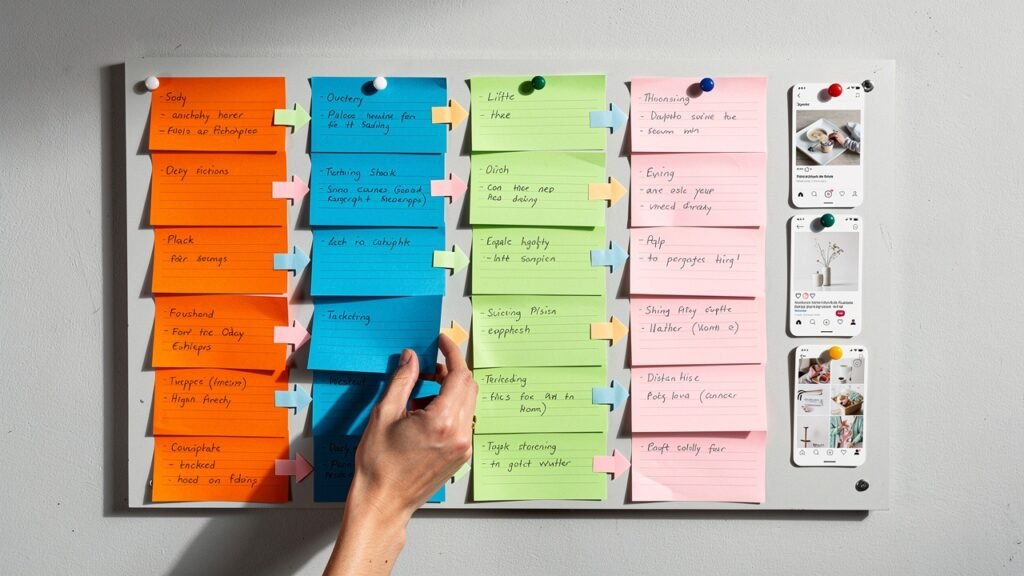
Repurposing becomes manageable when it follows a repeatable structure. This framework works for webinars, product walkthroughs, and customer interviews.
Step 1 – Audit and Identify Core Assets
Start with a review of the video library. Look at webinars, feature demos, onboarding calls, conference talks, and testimonials. Mark sections that remain current, align with the main product narrative, and address common buyer questions.
Within each recording, identify value islands. These are self-contained segments built around a clear idea. It might be a sharp one-liner, a concise three-step framework, a live workflow inside the product, or a strong opinion that invites discussion.
A sixty-minute webinar often contains twelve to fifteen such segments. Each one can generate several new assets.
Step 2 – Match Asset to Format and Audience
Decide who should see each idea and in what format. A C-level leader scrolls differently than a demand generation manager. Your SaaS video marketing plan must reflect that.
A high-level pricing insight may become a LinkedIn post for executives. A short screen recording showing setup in two minutes may serve product marketers.
One strong point can support a blog post, a LinkedIn article, a quote graphic, an audiogram, or a vertical clip. Once mapped, execution becomes a checklist rather than guesswork.
Step 3 – Adapt Each Piece for Its Platform
Every platform has its own rhythm. Avoid lifting transcript blocks into LinkedIn. Craft a direct opening line. Keep paragraphs tight. Close with a clear takeaway or question.
For short-form video, the first seconds carry the weight. Begin at the moment of value rather than with a long setup.
Adjust aspect ratio and framing based on where the clip will live. Use vertical 9:16 for TikTok, Reels, and Shorts. Use horizontal 16:9 for YouTube and most LinkedIn feeds.
Add burned-in captions since many viewers watch with sound off. Keep faces and key text within safe zones so interface elements do not obscure them.
Step 4 – Schedule Distribution in Waves
Release content in planned phases so each piece reinforces the next.
In week one, publish the main long-form video. Align landing pages, email lists, and sales teams around it. Early reactions highlight which segments deserve more attention.
In weeks two and three, publish short clips, carousels, and quote graphics drawn from the strongest moments. These reach people who skipped the full session and drive fresh traffic.
In weeks four to six, expand into deeper blog posts, LinkedIn articles, and email sequences built from the same recording. In later months, refresh high-performing pieces with updated hooks or data and reintroduce them.
Platform-Specific Tactics for Short-Form Video
Once the framework is clear, execution depends on the channel.
LinkedIn remains central for B2B discovery. Turn frameworks and common mistake lists from webinars into clean carousels. A product demo talk can become a five-slide post, each slide covering one error and its fix.
Combine these with focused text posts built around a single insight and native video clips between thirty and one hundred twenty seconds.
YouTube Shorts, Instagram Reels, and TikTok
On these platforms, pace drives performance. Focus on a surprising statistic, a quick how-to moment, or a bold founder statement. Keep clips between fifteen and sixty seconds. Frame vertically. Add captions. Start at the moment of value.
Long Feature Demos and Customer Testimonials
Break longer demos into short clips, each centered on one feature or workflow. Keep most under two minutes. Pair persuasive moments with on-screen text that highlights outcomes.
For testimonials, write concise before-and-after narratives for LinkedIn and support them with short video quotes. This combination works well for B2B video distribution.
Quote Graphics and Audiograms
Memorable lines from webinars, podcasts, or founder updates can anchor branded square or vertical graphics. A thirty-second audio excerpt converted into an audiogram can promote a longer episode while standing on its own.
Upload clips natively on each platform. Native uploads receive stronger reach and smoother playback than external links.
How to Build a Scalable B2B Video Distribution System
One campaign helps. A repeatable system drives growth.
Phase One – Infrastructure
Audit the video library and tag assets that reflect the current product and positioning. Mark evergreen topics and past high performers.
Create templates for recurring formats such as carousels, quote cards, and intro or end screens. Build a channel calendar so releases are coordinated and consistent.
Phase Two – Process
Follow a weekly rhythm.
On Monday, review new long-form videos and select three to five value islands aligned with current goals. Log timecodes and brief notes.
From Tuesday to Thursday, batch production by format. Dedicate one block to editing clips, another to writing posts and captions, and another to design work. Batching reduces context switching and improves focus.
On Friday, conduct a quality review and schedule the next week’s content. The feeds stay active without last-minute pressure.
Phase Three – Scale and Improvement
Track a focused set of metrics. Monitor assets created per source video, engagement rates by format, and leads or sales calls tied to repurposed pieces through UTM tags.
When a topic or clip type consistently performs well, repeat it with new angles. Expand to additional platforms only after a format proves its value.
Conclusion
For SaaS brands, a well-produced video should function as an asset library rather than a single launch event.
With a clear repurposing strategy, one webinar, demo, or customer story can generate dozens of posts, clips, and articles that keep your message visible for months.
Audit your library. Identify value islands. Match each one to the right audience and format. Adapt for the platform. Release content in planned waves. Support the process with a simple system.
Done consistently, cross-platform video marketing becomes a steady engine for leads and revenue rather than a series of isolated campaigns.
Author Bio: –

Vikas is the Co-founder & CEO of What a Story, helping B2B SaaS companies simplify complex ideas through clear messaging and high-impact videos. His work has been featured on TEDx, Contra, HubSpot, and more, and he focuses on helping founders clearly communicate what they do and why it matters.